

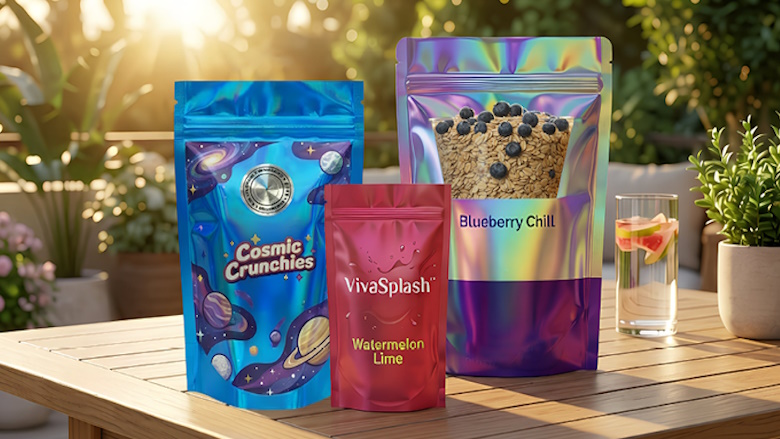
The landscape of modern retail is an increasingly crowded battlefield where brands fight for a few seconds of a consumer’s undivided attention. In this high-stakes environment, the packaging is no longer just a vessel for a product; it is a critical marketing tool, a brand ambassador, and a first line of defense against counterfeiting. Recognizing this shift, NBi FlexPack, a prominent Wisconsin-based manufacturer specializing in domestically produced flexible packaging, has announced a significant technological leap forward. By integrating a custom-engineered 30-inch electron beam (eBeam) Cast and Cure unit into its production workflow, the company is redefining the possibilities of digital printing for flexible pouches and films. This move positions NBi FlexPack at the forefront of the industry, offering a rare combination of aesthetic brilliance, high-level security, and environmental responsibility that few competitors globally can match.
At the heart of this innovation is the marriage of two sophisticated technologies: digital printing and electron beam curing. Traditionally, achieving high-end decorative finishes like holographs or intricate textures required expensive tooling, long lead times, and significant material waste. The Cast and Cure process, however, changes the equation. It involves applying a specialized coating to the substrate, which is then embossed with a micro-structure via a reusable casting film. As the substrate passes under the electron beam, the coating is instantly cured, locking in the holographic or matte/gloss pattern. Because the casting film is not transferred to the package but merely used as a mold, it can be reused multiple times, making it a far more sustainable alternative to traditional foil stamping or metallic laminates.
Jeff Leto, the Vice President of Sales at NBi FlexPack, emphasizes that this investment is about more than just aesthetics. According to Leto, the company is one of only a handful of manufacturers worldwide to operate a custom-made 30-inch eBeam unit. This specific width is crucial, as it allows for greater throughput and compatibility with modern digital presses, enabling brands to scale their operations without sacrificing the "star power" of their packaging. By utilizing this technology, NBi provides brand owners with a distinct competitive advantage, allowing them to create embellishments that are not only visually striking but also functional.
The visual impact of Cast and Cure technology is rooted in the physics of light reflection. By creating microscopic ridges and patterns on the surface of the packaging, the technology allows light to dance across the surface, creating a "shimmer" or holographic effect that is impossible to ignore on a retail shelf. This is particularly vital in sectors such as the legal cannabis market, high-end nutraceuticals, specialty foods, and beauty products, where the perceived value of the product is heavily influenced by the quality of the packaging. The eBeam process ensures that these graphics are crisp, durable, and resistant to the scuffing and fading that can plague traditional printing methods.
Beyond the obvious marketing benefits, NBi FlexPack’s adoption of eBeam technology addresses one of the most pressing concerns for modern global brands: security. As supply chains become more complex, the risk of counterfeit products entering the market has skyrocketed. Counterfeit goods not only drain revenue but can also pose significant health and safety risks to consumers, particularly in the pharmaceutical and food industries. The Cast and Cure process allows for the integration of custom watermarks and holographic elements that are embedded directly into the finish of the package. These marks are virtually impossible to replicate without the specific eBeam hardware and proprietary casting films used by NBi. Much like the security features found on high-level identification cards or currency, these packaging embellishments provide a tactile and visual "seal of authenticity" that fosters consumer trust and protects brand integrity.
The "Made in the USA" aspect of NBi FlexPack’s operations adds another layer of value to this technological rollout. In an era defined by volatile international trade relations and fluctuating shipping costs, NBi has positioned itself as a provider of "tariff relief." By manufacturing locally in Wisconsin, the company eliminates the long lead times and unpredictability associated with overseas production. When combined with the speed of digital printing and the instant-cure capabilities of eBeam technology, NBi can offer remarkably fast turnaround times. This agility is essential for brands that need to react quickly to market trends, launch seasonal promotions, or manage inventory without the burden of massive minimum order quantities.
The technical superiority of electron beam curing over traditional UV (ultraviolet) or thermal curing cannot be overstated. Standard UV curing often requires the use of photoinitiators—chemicals that can sometimes migrate through packaging materials, posing a risk in food-contact applications. Electron beam technology, however, uses a high-energy stream of electrons to initiate polymerization directly. This results in a more complete cure, eliminating the need for photoinitiators and significantly reducing the risk of chemical migration. Furthermore, eBeam curing is an "instant-on, instant-off" process that consumes less energy than thermal drying ovens and does not produce volatile organic compounds (VOCs). This aligns NBi FlexPack’s offerings with the growing demand for sustainable manufacturing practices, providing brand owners with a story of environmental stewardship to share with their eco-conscious customers.
The integration of the 30-inch unit specifically targets the "sweet spot" of the flexible packaging market. While smaller units exist for labels and narrow-web applications, the 30-inch capability allows NBi to handle a wide variety of pouch sizes and formats, from stand-up pouches (SUPs) to lay-flat bags and rollstock. This versatility is enhanced by the company’s digital printing prowess. Digital printing allows for "variable data imaging," meaning every single package in a production run could theoretically have a different holographic pattern or security code. This level of customization was previously unthinkable in the world of mass-produced flexible packaging, but it is now a reality for NBi’s clients.
As the industry moves toward 2025 and beyond, the role of the package as a multi-sensory experience will only grow. NBi FlexPack’s commitment to pushing the boundaries of what is possible with eBeam and Cast and Cure technology suggests a future where packaging is smarter, safer, and more sustainable. By offering advanced aesthetics, cost efficiency, and high-level security in a single, integrated solution, the company is not just selling bags; they are providing a comprehensive brand-enhancement platform.
In summary, NBi FlexPack’s latest announcement is a testament to the power of domestic innovation. By investing in rare, high-performance technology like the 30-inch eBeam unit, they are solving multiple problems for brand owners simultaneously. They are slashing the risks of counterfeiting, reducing the environmental footprint of decorative packaging, and providing the visual "pop" necessary to win the battle for the consumer’s gaze. As NBi continues to leverage these tools, they are set to remain a dominant force in the American manufacturing sector, proving that high-tech solutions and domestic production are the perfect recipe for modern packaging success. For brands looking to elevate their presence and protect their bottom line, the message from Wisconsin is clear: the future of flexible packaging has arrived, and it is more brilliant—and secure—than ever before.