

In a move that signals a significant consolidation within the sustainable logistics sector, ORBIS® Corporation, a prominent leader in the reusable packaging industry and a subsidiary of the historic Menasha Corporation, has officially finalized the acquisition of Robinson Industries. This strategic transaction marks a pivotal moment for the North American manufacturing landscape, as it merges ORBIS’s vast market reach with Robinson’s specialized expertise in advanced thermoforming and structural foam molding. By absorbing Robinson Industries into its corporate fold, ORBIS is not merely expanding its physical footprint; it is fortifying its ability to provide high-performance, circular-economy solutions to a global market increasingly desperate for sustainable alternatives to single-use packaging.
Robinson Industries, a family-owned pioneer with a legacy dating back to the 1940s, has long been regarded as a cornerstone of the Michigan manufacturing community. Headquartered in Coleman, Michigan, the company carved out a niche as an innovator in heavy-gauge thermoforming. Over the decades, Robinson developed a reputation for technical excellence, particularly in the automotive and industrial sectors, where durability and precision are paramount. The acquisition includes Robinson’s two primary manufacturing facilities in Coleman, which are strategically situated to serve the Midwestern industrial corridor and the Detroit-centric automotive hub. This geographic advantage is a critical component of the deal, as it allows ORBIS to optimize its own supply chain and reduce transit times for key customers in the heart of the American manufacturing sector.
The integration of Robinson Industries into the ORBIS brand brings a wealth of technical capabilities that complement ORBIS’s existing portfolio. While ORBIS is widely recognized for its injection-molded pallets, bulk containers, and dunnage, Robinson adds a sophisticated layer of expertise in single- and twin-sheet thermoforming, sheet extrusion, and structural foam injection molding. Twin-sheet thermoforming, in particular, is a high-value process that allows for the creation of double-walled, hollow parts that are exceptionally strong yet lightweight. This technology is vital for producing heavy-duty pallets, specialized lids, and custom trays that can withstand the rigors of automated warehouses and international shipping. By bringing these processes in-house, ORBIS can now offer a more comprehensive suite of custom-engineered solutions, moving from simple product delivery to a holistic "design-to-delivery" partner for its clients.
At the heart of this acquisition is a shared commitment to the "Circular Economy." In recent years, global supply chains have faced immense pressure to reduce their carbon footprints and eliminate waste. The transition from single-use wood or corrugated cardboard packaging to reusable plastic systems is a primary lever in achieving these ESG (Environmental, Social, and Governance) goals. ORBIS has been a vocal advocate for this transition, and the acquisition of Robinson Industries accelerates this mission. Robinson’s product line—which includes custom-designed pallets and protective trays—is built for longevity. These products are designed to be used hundreds of times before being recycled back into new packaging products at the end of their lifecycles. This "cradle-to-cradle" approach is a cornerstone of the ORBIS philosophy, and the addition of Robinson’s manufacturing assets will significantly increase the volume of recycled material ORBIS can process and repurpose.
Norm Kukuk, the President of ORBIS Corporation, emphasized the cultural and technical alignment between the two organizations. He noted that Robinson Industries’ long-standing legacy of innovation and technical prowess fits perfectly with ORBIS’s vision of transforming supply chains. According to Kukuk, the synergy between the two companies will allow for faster product development cycles and more agile responses to market demands. In an era where "speed to market" is a competitive necessity, the combined engineering talent of both firms will likely lead to a new generation of smart, trackable, and ultra-durable packaging solutions.
The human element of the acquisition is equally significant. Approximately 100 skilled employees from Robinson Industries are transitioning to the ORBIS team. In a manufacturing environment where specialized labor and technical "know-how" are increasingly scarce, the retention of Robinson’s workforce is a major asset. These employees bring decades of collective experience in polymer science and mechanical engineering, ensuring that the high standards of quality Robinson was known for will continue under the ORBIS banner. The transition is expected to be seamless for existing Robinson customers, who will now have access to ORBIS’s broader range of services, including its industry-leading packaging management programs and its "Re-use" recycling services.
From a market perspective, the move strengthens ORBIS’s position in several key verticals. While the automotive industry remains a primary focus—due to its heavy reliance on returnable containers for parts like engines, transmissions, and electronic components—the acquisition also expands ORBIS’s reach into the agricultural, retail, and general industrial sectors. In the agricultural market, for instance, there is a growing demand for hygienic, easy-to-clean plastic pallets and bins that prevent cross-contamination. In the retail sector, the rise of e-commerce and automated fulfillment centers has created a need for highly standardized, dimensionally stable pallets that can interface perfectly with robotic picking systems. Robinson’s ability to manufacture custom-sized pallets and specialized trays provides ORBIS with the flexibility to meet these diverse needs.
The acquisition also highlights a broader trend of consolidation in the packaging industry. As large-scale enterprises look to simplify their vendor lists, they are increasingly seeking "one-stop shops" that can handle all aspects of their packaging needs. By incorporating Robinson’s thermoforming and structural foam capabilities, ORBIS positions itself as a dominant force capable of competing with any global entity. This move is backed by the stability of Menasha Corporation, which has provided ORBIS with the financial backing to pursue such strategic growth opportunities. Menasha, one of the oldest family-owned manufacturing companies in the United States, has a history of long-term thinking, and this acquisition is a clear indication of its commitment to the future of reusable logistics.
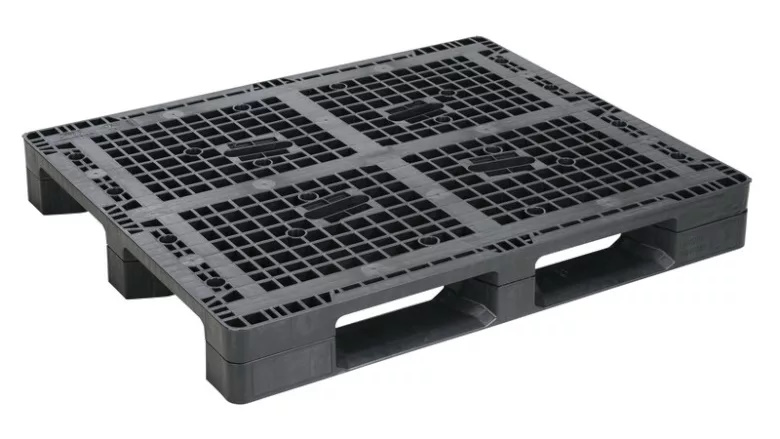
As the industry looks forward, the integration of Robinson Industries will likely be viewed as a catalyst for further innovation. The "Odyssey® 3-Runner Pallet," a flagship ORBIS product, serves as a prime example of the type of engineering excellence the company strives for. With the addition of Robinson’s expertise, the industry can expect even more specialized designs that push the boundaries of what plastic packaging can achieve in terms of load-bearing capacity, impact resistance, and weight reduction.
While the financial terms of the deal were not disclosed, the strategic value is undeniable. ORBIS is not just buying a competitor; it is investing in a legacy of American craftsmanship and a suite of technologies that are essential for the modern supply chain. The Coleman, Michigan facilities will continue to be hubs of activity, now bolstered by the resources and global reach of the ORBIS brand.
In conclusion, the acquisition of Robinson Industries by ORBIS Corporation represents a powerful alignment of two industry veterans. It is a move that benefits the customers, who will receive more innovative and sustainable products; the employees, who join a growing global leader; and the environment, as the push toward reusable systems gains even more momentum. As ORBIS continues to integrate Robinson’s operations, the packaging industry will be watching closely to see how this expanded powerhouse redefines the standards of efficiency and sustainability in the global supply chain. This transaction is more than a business deal; it is a foundational step toward a more circular and resilient industrial future.