

The Waste and Resources Action Programme (WRAP) aligned organization, RECOUP, has significantly bolstered its analytical arsenal by integrating cutting-edge microplastic analysis services into its established laboratory framework. This strategic expansion moves beyond conventional material testing, positioning RECOUP as a vital center for in-depth forensic examination of plastic fragmentation across various matrices. This enhancement is not merely an incremental upgrade; it represents a fundamental leap in the organization’s capacity to generate high-fidelity, actionable evidence concerning the fate and impact of plastic debris in the environment and recycling streams. The enhanced suite of tools provides stakeholders—ranging from packaging manufacturers and waste management operators to environmental regulatory bodies and academic researchers—with unprecedented clarity into the composition, size distribution, and physical characteristics of microscopic plastic particles.
The core of this technological advancement lies in the refinement of sample preparation and subsequent analytical chemistry, allowing RECOUP to tackle previously intractable analytical challenges. Microplastics, generally defined as plastic particles smaller than 5 millimeters, often evade detection through standard visual or bulk analysis techniques, particularly when embedded within complex environmental matrices such as soil, sediment, or sludge. RECOUP’s newly validated methodology overcomes these limitations through a sophisticated, multi-stage process.
A critical innovation is the deployment of advanced digestion protocols designed to selectively break down complex organic matter without degrading the target plastic polymers. This chemical cleaning step is crucial for isolating microplastic fragments from biological or mineral backgrounds. Following digestion, the laboratory employs precise density separation techniques. This step leverages the differing specific gravities of plastic polymers versus inorganic materials, enabling the efficient concentration of plastic particles into a manageable fraction for detailed spectroscopic analysis.
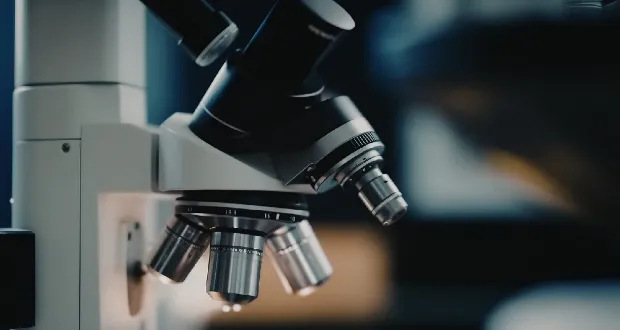
Once concentrated, the true power of the upgraded laboratory is unleashed via Fourier-Transform Infrared (FTIR) microscopy. This sophisticated instrument allows technicians to map the surface chemistry of individual particles. The key metric achieved here is the reliable identification of polymer type down to particle sizes approaching the 200-micrometer threshold. At this scale, FTIR analysis provides unequivocal confirmation of the plastic’s chemical fingerprint—differentiating between common polymers like Polyethylene Terephthalate (PET), Polypropylene (PP), and Polyethylene (PE), as well as identifying more specialized engineering plastics. Furthermore, the system captures detailed morphological data, assessing particle shape (fibers, fragments, films, or microbeads) and surface features, which are critical indicators of the particle’s origin and degradation history.
Richard Cham, Technical Manager at RECOUP, emphasized the transformative nature of this capability. "By engineering greater analytical rigor into our microplastic characterization services, we are providing the scientific bedrock that underpins robust decision-making across the plastics value chain," Cham stated. "This isn’t just about counting particles; it’s about understanding what they are, where they came from, and how they are interacting with the environment. For our members, this translates directly into evidence-based strategies for product redesign, advanced sorting technology validation, and verifiable claims regarding environmental stewardship."
The integration of high-resolution microplastic analysis directly complements RECOUP’s pre-existing suite of laboratory services, which already include comprehensive assessments of packaging recyclability, precise material identification for quality control, and performance evaluations of mechanical sorting infrastructure. This synergy creates a powerful feedback loop. For example, researchers can now track how specific polymer types—identified as common contaminants in recycling streams—originate from certain product designs or how packaging materials fragment under specific mechanical recycling conditions. This holistic view, linking product design inputs to environmental outputs, is invaluable for advancing circular economy objectives.
One of the most compelling applications of this enhanced precision is in assessing the environmental migration of plastics. Traditional screening methods often suffer from high false-negative rates when dealing with fine particles suspended in soil or sludge, where plastics are often coated or obscured by organic residues. RECOUP’s methodical digestion and separation protocol ensures that these ‘hidden’ microplastics are liberated and quantified. This capability is set to significantly influence environmental risk assessments, providing regulators with a more accurate picture of true contamination loads in terrestrial and aquatic systems affected by waste management practices.
Moreover, the ability to accurately size and identify fragments informs crucial policy debates surrounding microplastic pollution mitigation. Understanding the prevalence of very small fragments (nanoplastics, while requiring even more specialized techniques, often result from the fragmentation of these 200µm particles) is essential for designing effective filtration or interception technologies at wastewater treatment plants or material recovery facilities (MRFs). By generating granular data on particle size distribution, RECOUP empowers engineers to optimize filter pore sizes and process parameters for maximum capture efficiency.
This investment solidifies RECOUP’s role as an authoritative technical hub dedicated to fostering sustainable plastic management practices. The organization acts as a crucial conduit, translating complex scientific findings into practical guidance for industry operators seeking to reduce fugitive emissions of plastic waste. The output from this advanced laboratory will feed directly into ongoing research collaborations focused on biodegradable polymers, chemical recycling viability, and best practices for managing end-of-life materials.
In conclusion, the deployment of this state-of-the-art microplastic characterization laboratory marks a significant milestone. It transforms RECOUP’s analytical capacity from material assessment toward detailed environmental forensics. By illuminating the hidden world of microscopic plastic contaminants with unprecedented detail regarding polymer chemistry and physical structure, RECOUP is equipping the entire plastics value chain with the robust, empirical data necessary to innovate responsibly, comply with increasingly stringent environmental regulations, and ultimately drive measurable reductions in plastic pollution. This scientific capability is fundamental to achieving credible, long-term sustainability targets within the packaging and waste sectors.