

For decades, the landscape of corporate promotion has been cluttered with the remnants of a "disposable" philosophy. From the ubiquitous, scratchy polyester t-shirts to the fragile plastic pens that fail after a single use, the industry known as "swag" has long struggled with a reputation for quantity over quality. However, as we move further into the mid-2020s, a seismic shift is occurring in the way British businesses communicate their values. The modern consumer, whether a B2B client or a retail customer, is no longer satisfied with mere "stuff." They are seeking alignment with brands that demonstrate intentionality, durability, and ethical responsibility. In response to this evolving demand, a new benchmark is being set for branded merchandise in the UK—one that replaces the "throwaway" culture with a commitment to "quiet luxury" and long-term utility.
The traditional promotional tote bag, once a staple of trade shows and conferences, has perhaps been the greatest victim of this low-quality epidemic. Often crafted from thin, non-woven polypropylene or lightweight 4oz cotton, these bags frequently suffer from a "single-use" lifespan, eventually finding their way to the back of a cupboard or, more tragically, a landfill. This cycle of waste does more than just harm the environment; it actively devalues the brand whose logo is printed on the side. When a company gives a gift that breaks, it sends a subconscious message that their services might be equally flimsy. To counter this, forward-thinking marketing managers are turning toward the "Anti-Swag" movement—a strategy that prioritizes high-spec, retail-quality items that recipients actually want to integrate into their daily lives.
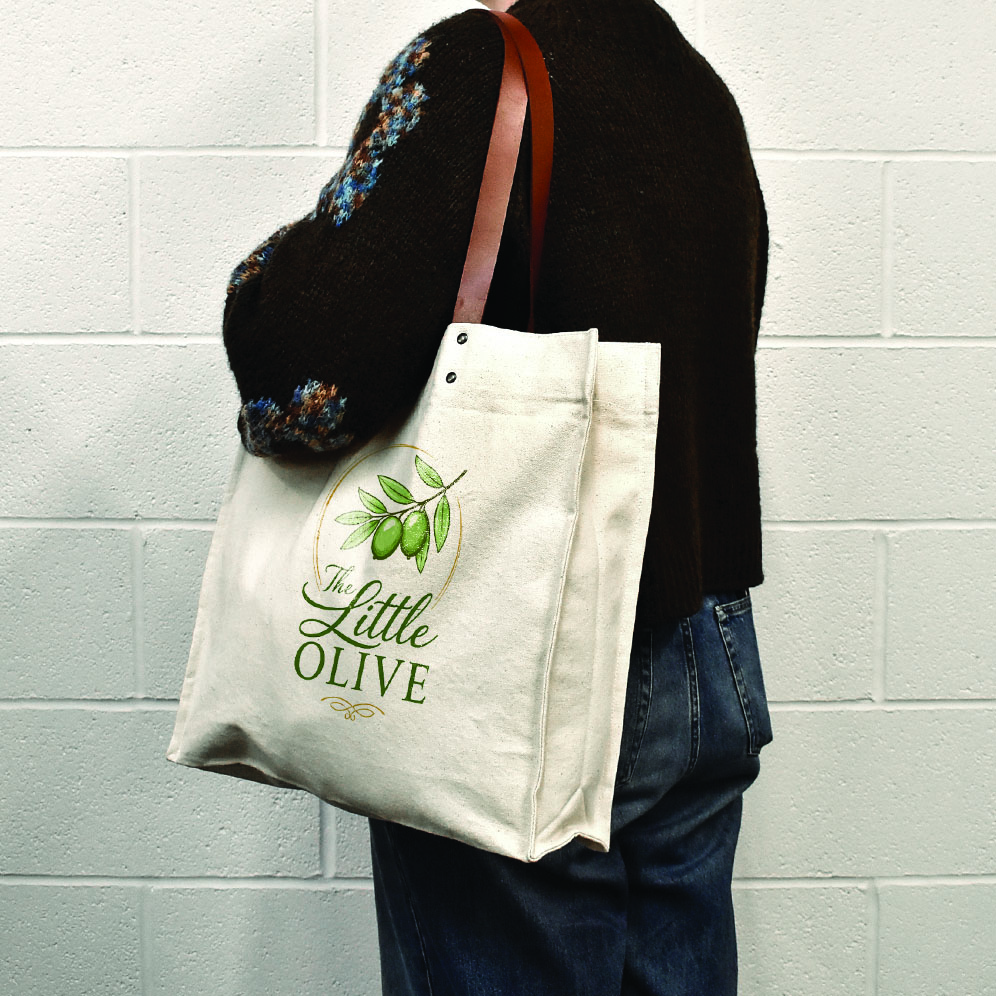
At the forefront of this movement is the introduction of a sophisticated canvas bag with genuine leather handles, a product specifically engineered to bridge the gap between a promotional tool and a high-end fashion accessory. This is not merely an addition to a catalogue; it is a fundamental reimagining of what a branded item can achieve. By marrying the rugged, organic texture of heavy-duty cotton canvas with the refined, professional aesthetic of real leather, this piece serves as a tactile representation of a brand’s commitment to excellence. It is designed for the professional who needs a reliable carrier for a MacBook and documents, the weekend traveler seeking a sturdy holdall, or the conscious shopper who demands style without sacrificing sustainability.
The transition to this "Gold Standard" is built upon three non-negotiable pillars: Material Integrity, Ethical Transparency, and Logistical Agility. To understand why this specific product is changing the game for UK enterprises, one must look closely at the specifications. Unlike standard promotional bags, this premium offering utilizes a significantly higher GSM (grams per square meter) canvas. This heavy-duty construction ensures the bag maintains its shape and structural integrity even under the weight of heavy laptops or groceries. The addition of genuine leather handles provides a level of comfort and durability that synthetic alternatives simply cannot match. Furthermore, the use of antique brass rivets to reinforce stress points is a nod to traditional craftsmanship, ensuring that the bag is built to last for years, not just for the duration of an event.
Beyond the physical attributes, the ethical narrative of a product has become its most valuable feature. In the current UK business climate, Environmental, Social, and Governance (ESG) criteria are at the top of every boardroom agenda. It is no longer enough to claim a product is "eco-friendly" without verifiable proof. This is why the new standard in UK merchandise relies on SEDEX-audited manufacturing. SEDEX (the Supplier Ethical Data Exchange) is one of the world’s leading ethical trade membership organizations, working to improve working conditions in global supply chains. A SEDEX-audited factory undergoes rigorous assessments regarding labor rights, health and safety, environmental impact, and business ethics. For a UK brand, distributing a bag from such a facility provides a "clean" story. It allows a company to hand over a gift with the absolute certainty that no person or environment was exploited in its creation. This transparency is a powerful tool in building brand trust and protecting a corporation’s reputation in an era of intense public scrutiny.
Logistically, the UK market has historically faced a "quality vs. speed" dilemma. High-end, bespoke manufacturing often required long lead times and massive minimum order quantities (MOQs) that made them inaccessible for smaller campaigns or exclusive VIP gifting. The new model of UK-based off-the-shelf collections has shattered this barrier. By holding stock of these premium canvas and leather bags within the UK, businesses can now access retail-quality merchandise with MOQs as low as ten units. This democratization of quality allows even small startups or niche event planners to offer the same level of luxury as a multinational corporation. Moreover, with the ability to brand and deliver these items within a two-week window, the "panic-buying" of low-quality alternatives due to tight deadlines is becoming a thing of the past.
The versatility of such a high-caliber product also opens new doors for brand exposure. While a cheap tote bag might be relegated to carrying gym shoes or stashed in a car boot, a premium canvas and leather bag becomes a daily companion. It is seen in the boardrooms of London’s Square Mile, on the tables of trendy cafes in Manchester’s Northern Quarter, and on the shoulders of commuters across the country. Each time the bag is used, the brand’s logo—rendered through high-definition screen printing or sophisticated embroidery—receives a "high-value" impression. This is the "Endowment Effect" in action; when a recipient perceives an item as having significant intrinsic value, they are more likely to retain it, use it, and form a positive psychological association with the giver.
The branding potential itself has been elevated to match the product’s quality. With a generous 25x25cm print area available on both the front and back, as well as the option for internal pocket printing, the bag serves as a mobile billboard. However, the high-grade canvas allows for decoration techniques that would fail on cheaper materials. Intricate, multi-color screen prints remain vibrant and crisp, while embroidery adds a textured, three-dimensional premium feel. Some brands are even opting for "tonal" branding—subtle, sophisticated logos that whisper rather than shout—further aligning the item with the "quiet luxury" trend that is currently dominating the global fashion landscape.
As we look toward the future of the UK promotional industry, the trajectory is clear. The era of mindless consumption is being replaced by a culture of curation. Brands that continue to invest in "disposable" swag risk being seen as out of touch with modern values. Conversely, those who choose to invest in items like the premium canvas and leather bag are making a statement about their own longevity and reliability. They are moving away from being a "vendor" and toward being a "partner" in their clients’ lives.
In conclusion, the introduction of this new gold standard represents more than just a new product launch; it is a manifesto for a better way of doing business. It proves that utility and luxury are not mutually exclusive and that ethical manufacturing is the only sustainable path forward. For UK marketing managers, event directors, and business owners, the choice is no longer about which "freebie" to give away. It is about which legacy they want to leave behind. By choosing quality, ethics, and style, they are ensuring that their brand is carried with pride, day after day, year after year. The "Anti-Swag" revolution has arrived, and it is beautifully crafted in heavy-duty canvas and genuine leather.