

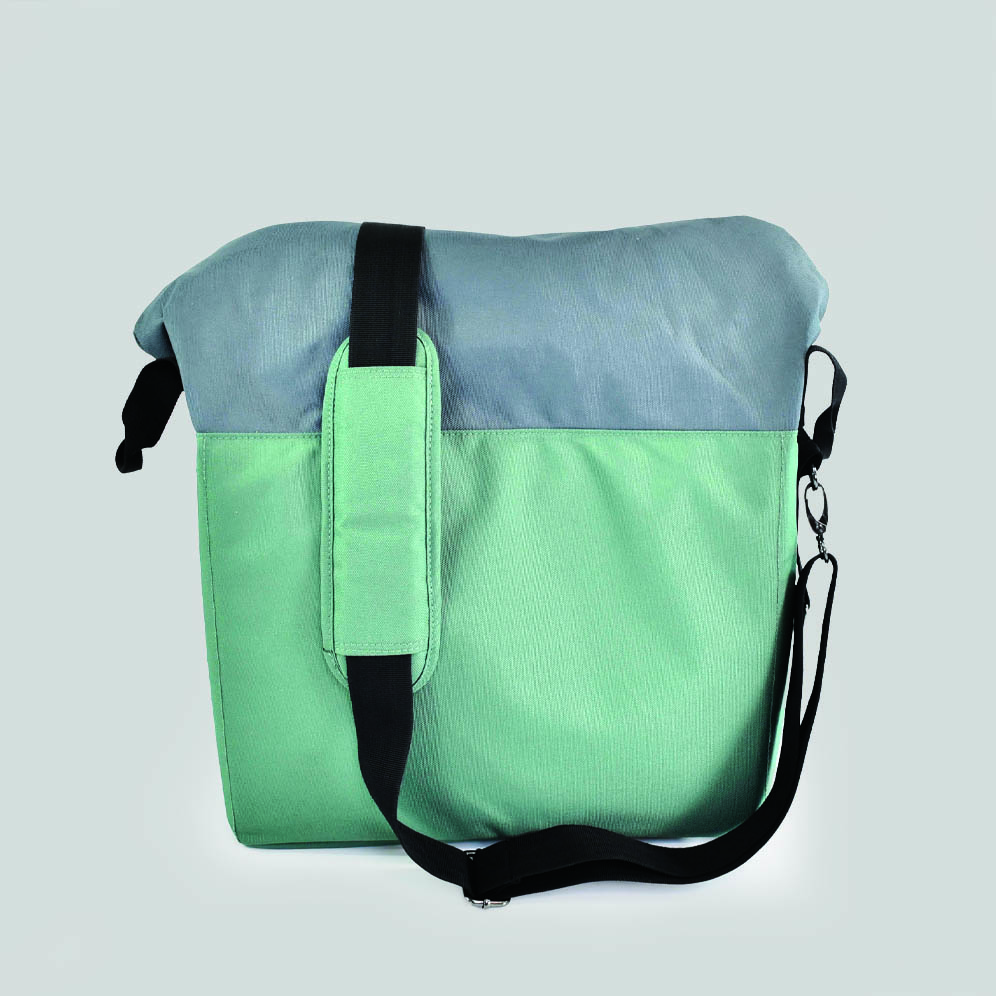
The modern consumer landscape is increasingly defined by the intersection of utility and experience, where a brand’s value is measured not just by its logo, but by the tangible benefits it provides in daily life. Imagine a customer navigating a sweltering July commute, their water bottle remaining ice-cold thanks to a sleek, branded carrier, or a professional enjoying a home-cooked, steaming-hot meal in the middle of a winter field assignment. This is the silent power of thermal engineering in the promotional products industry. Thermal bags have transcended their humble origins as plastic picnic accessories to become sophisticated, high-performance tools for brand storytelling. By integrating advanced thermal fabrics into custom bag projects, businesses can transition from providing mere "merchandise" to offering indispensable lifestyle assets that command long-term loyalty and frequent visibility.
To appreciate the potential of these products, one must first understand the sophisticated physics that allow a soft-sided bag to defy ambient temperatures. Thermal regulation in textiles is a battle against the three primary methods of heat transfer: conduction, convection, and radiation. Conduction occurs when heat moves through solid materials; convection involves the movement of heat through air or liquids; and radiation is the transfer of energy through electromagnetic waves, such as sunlight. High-quality thermal bags are designed as multi-layered systems. The outer layer provides the first line of defense, often utilizing high-denier polyester or nylon to block wind (convection) and resist moisture. The middle layer—the "engine" of the bag—typically consists of closed-cell foam, such as Expanded Polyethylene (EPE). This foam is riddled with tiny, trapped air bubbles. Because air is a poor conductor of heat, these bubbles create a formidable barrier that slows the exchange of thermal energy between the interior and the outside world. Finally, the innermost layer often features a reflective foil or metalized film. This layer acts as a mirror for radiant heat, reflecting cold back toward the drinks or warmth back toward the food, effectively sealing the thermal environment.
The versatility of these materials allows for a spectrum of applications that far exceed the traditional lunch box. In the pharmaceutical and healthcare sectors, custom thermal bags are critical for the "cold chain" transport of temperature-sensitive medications, vaccines, or biological samples. Here, the precision of the thermal fabric is not just a matter of convenience but of safety. In the corporate world, the rise of "work-from-anywhere" culture has birthed a demand for "commuter coolers"—sophisticated backpacks that feature dedicated, insulated compartments for meal prep alongside padded sleeves for laptops. For the luxury retail sector, thermal fabrics can be integrated into high-end wine totes or gourmet food hampers, ensuring that a premium product reaches the customer’s home in peak condition, thereby preserving the integrity of the brand’s primary offering.
When embarking on a custom bag project, the choice of inner lining is as crucial as the insulation itself. While the reflective "silver" look is iconic, modern manufacturing offers a variety of specialized linings tailored to specific needs. Polyvinyl Chloride (PVC) and Polyethylene Vinyl Acetate (PEVA) are the industry standards for waterproof, wipe-clean interiors. PEVA is particularly favored in contemporary design due to being chlorine-free and generally considered more environmentally friendly than traditional PVC. These linings prevent condensation from seeping into the insulation foam, which would otherwise lead to mold or a loss of thermal efficiency. Furthermore, these materials can be produced in various thicknesses and colors, allowing a brand to maintain its aesthetic consistency even on the inside of the product.
The true magic of a bespoke thermal bag, however, lies in the infinite possibilities for customization and branding. Because these bags are built from the ground up, every square inch is a potential touchpoint for brand engagement. Decoration techniques have evolved far beyond simple screen printing. For a tactile, premium feel, Pantone-matched embroidery allows a logo to stand out with three-dimensional depth and durability. For complex, photographic designs or vibrant gradients, dye-sublimation or digital heat transfers can turn the entire surface of the bag into a full-color canvas. Even the hardware presents an opportunity for branding. Custom-molded zipper pulls featuring a company’s logo, or heavy-duty "dry-bag" style roll-top closures, can signal a commitment to quality and ruggedness.
Beyond the primary fabric, the "small details" often dictate the perceived value of the item. Labels and badges serve as the "signature" of a well-crafted bag. Woven labels provide a classic, retail-ready look, while embossed leather or vegan faux-leather patches add a touch of heritage and artisanal quality. For a more industrial or tech-forward vibe, molded silicone or rubber badges offer weather resistance and a modern aesthetic. Functional accessories also play a role; the addition of adjustable, padded shoulder straps, mesh side pockets for external storage, or even integrated bottle openers can transform a simple thermal pouch into a comprehensive outdoor solution that the recipient will use for years.
In an era where sustainability is a non-negotiable consumer demand, the longevity of thermal bags provides a significant "green" advantage. Unlike single-use plastic or paper bags, a high-quality thermal carrier is designed for hundreds, if not thousands, of uses. Furthermore, many thermal fabrics can now be sourced from recycled materials. The outer shells can be crafted from rPET (recycled Polyethylene Terephthalate), which is derived from post-consumer plastic bottles. By choosing durable materials and ethical manufacturing processes, a brand demonstrates a commitment to "slow fashion" and responsible consumption. This narrative is a powerful tool in modern marketing, aligning a company’s promotional efforts with the environmental values of its audience.
Navigating the complexities of global supply chains and material sourcing requires a partner with deep technical expertise. The Bag Workshop stands at the forefront of this industry, bridging the gap between imaginative design and rigorous manufacturing. With a global footprint that includes audited facilities in the UK, India, and the Far East, the workshop ensures that every custom project meets stringent international standards for both quality and social compliance. This geographical diversity allows for a flexible approach to production, whether a client requires a small run of ultra-premium, UK-made artisanal bags or a large-scale international rollout.
The collaborative process at The Bag Workshop is designed to be comprehensive. It begins with a deep dive into the client’s objectives: Who is the end user? In what environment will the bag be used? What is the required thermal duration? From there, the team provides expert guidance on material selection, from the denier of the outer shell to the GSM (grams per square meter) of the internal foam. They also navigate the logistical hurdles of international shipping and customs, ensuring that the final product arrives on time and on budget. This end-to-end service allows brands to focus on their core mission while the technical experts handle the intricacies of textile engineering.
Ultimately, a custom thermal bag is more than a container; it is a mobile billboard and a functional gift that solves a universal problem. Whether it’s keeping a salad crisp during a long hike or ensuring a delivery of temperature-sensitive goods remains uncompromised, these products provide a "moment of relief" that the consumer subconsciously associates with the brand featured on the exterior. In the crowded marketplace of promotional items, where so much is disposable, the thermal bag stands out as a high-utility, high-impact asset. It is an investment in brand visibility that pays dividends every time the temperature rises or falls. By leveraging the science of thermal fabrics and the artistry of bespoke design, businesses can create a lasting impression that remains "cool" long after the initial giveaway.