

In the contemporary landscape of marketing and personal expression, a bag has evolved far beyond its primary identity as a utilitarian vessel for carrying goods. Today, a bag is a mobile billboard, a tactile representation of brand values, and a crucial touchpoint in the consumer experience. While mass-produced, off-the-shelf options offer convenience, they often fail to capture the unique essence of a brand or the specific requirements of a high-stakes event. The true potential of an accessory is only realized when one moves beyond the limitations of pre-made stock and enters the realm of bespoke manufacturing. Custom bag design is an intricate fusion of engineering, fashion, and psychology, allowing creators to build a product from the ground up that resonates on a deeper level with its audience.
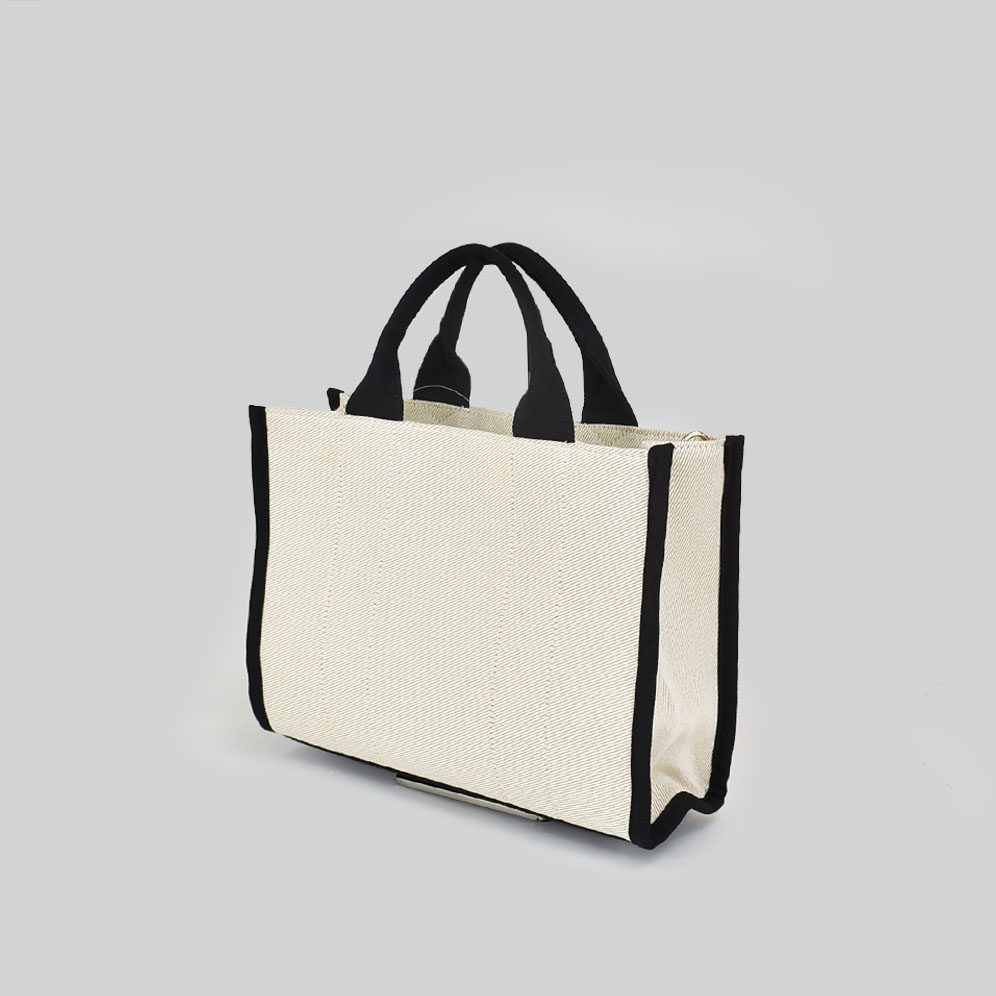
The journey of creating a custom bag begins with the foundational elements: shape, structure, and fabric. These are the "bones" of the design, and they dictate not only the bag’s aesthetic but its longevity and perceived value. When choosing a shape, one must consider the intended use-case. Is it a high-capacity tote for a grocery retailer, a sleek padded sleeve for a tech firm’s latest laptop, or a rugged, multi-compartment backpack for an outdoor lifestyle brand? The structure is further defined by the inclusion of gussets—the side or bottom panels that provide volume. A flat bag is excellent for documents or lightweight promotional materials, while a full-gusset bag can stand upright, offering a more premium, retail-ready feel.
Fabric selection is perhaps the most critical decision in the design process, as it determines the bag’s "hand-feel" and environmental footprint. Traditional heavy-weight canvas remains a favorite for its durability and classic appeal, often measured in ounces or GSM (grams per square meter) to denote thickness. For those prioritizing sustainability, Recycled Polyethylene Terephthalate (RPET), made from post-consumer plastic bottles, offers a high-performance alternative that tells a compelling story of circularity. Jute and juco (a blend of jute and cotton) provide a rustic, organic texture perfect for eco-conscious brands, while non-woven polypropylene offers a cost-effective solution for large-scale event giveaways. For luxury applications, vegan PU leather or high-density felt can elevate a simple silhouette into a high-fashion accessory.
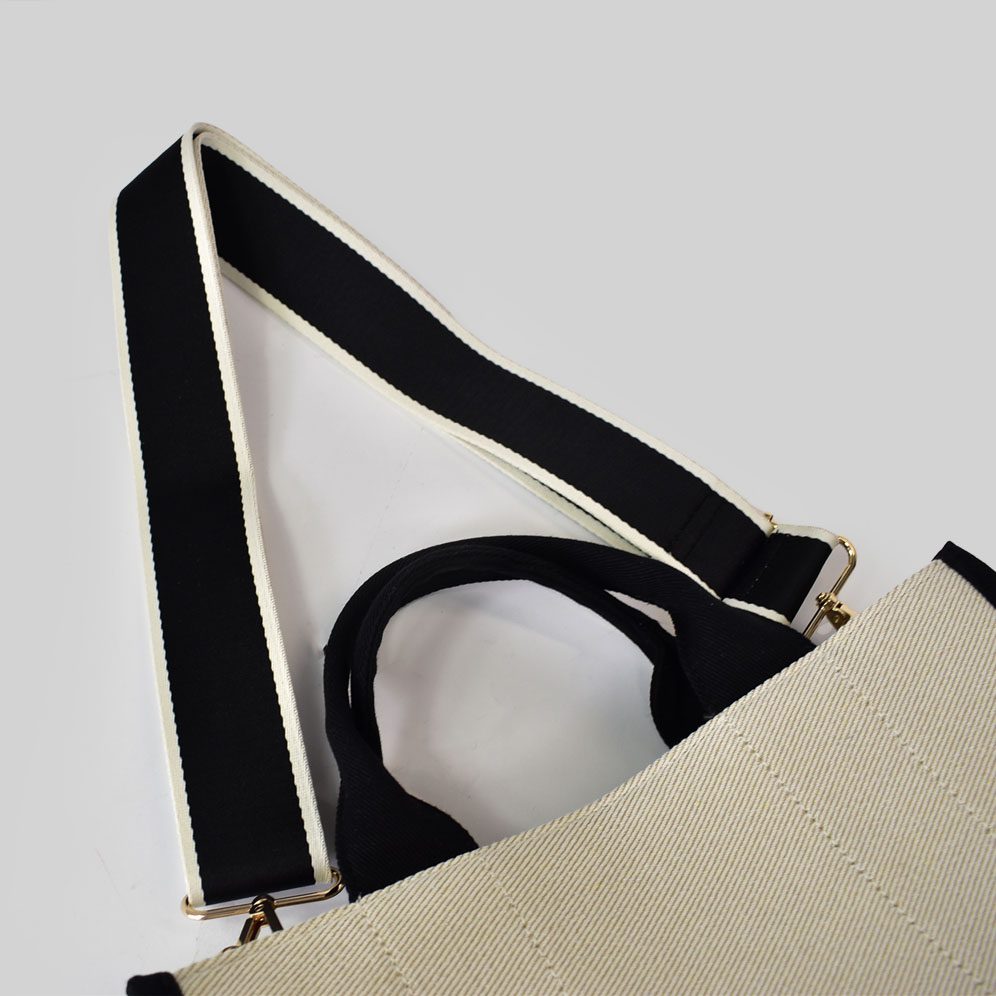
Once the foundation is set, the focus shifts to the ergonomics of the design, specifically handles and closures. These elements are the primary points of physical interaction between the user and the bag, making them vital for comfort and functionality. Handle customization involves more than just choosing a color; it involves selecting the right material and length for the intended load. Cotton webbing handles provide a soft, comfortable grip for shoulder bags, while thick rope handles can add a nautical or artisanal flair. For a more sophisticated look, padded self-fabric handles or even reinforced PU leather straps can be used. The length is equally important—short handles are ideal for hand-carry totes, while longer straps are necessary for over-the-shoulder comfort, especially when the bag is fully loaded.
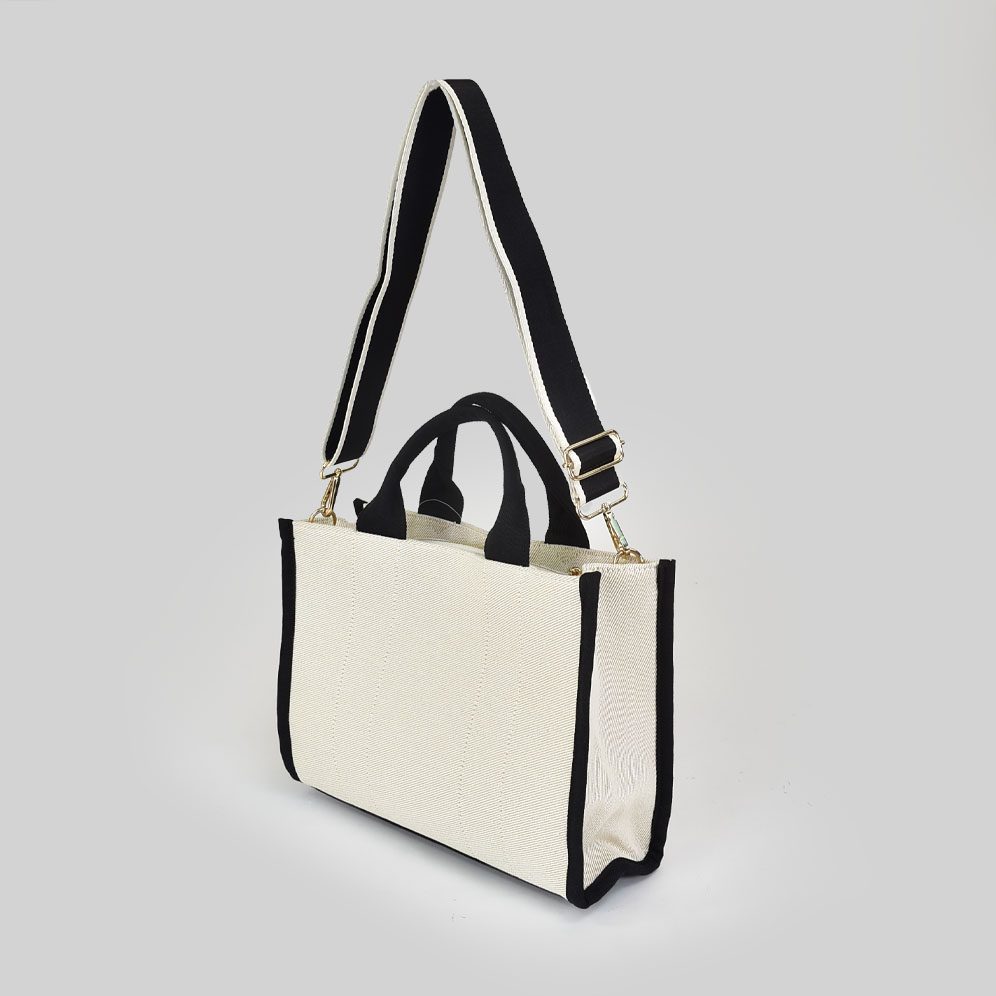
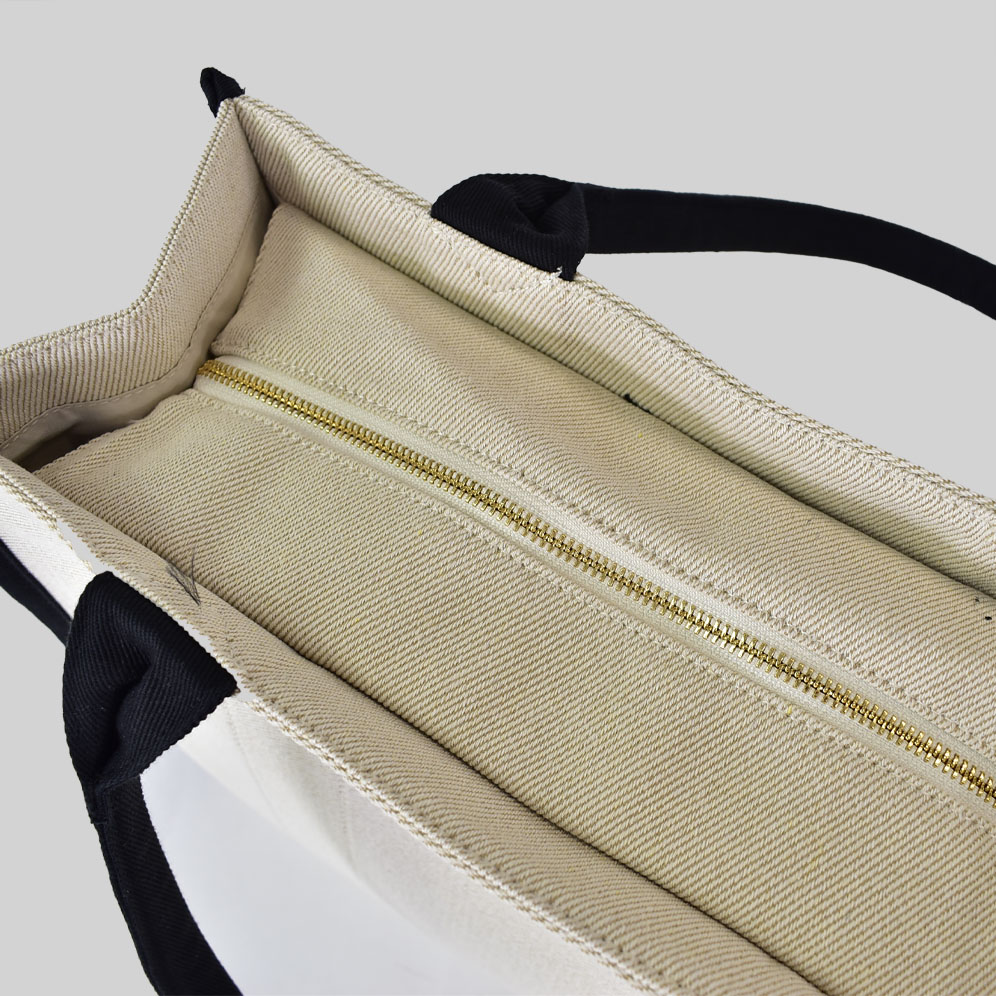
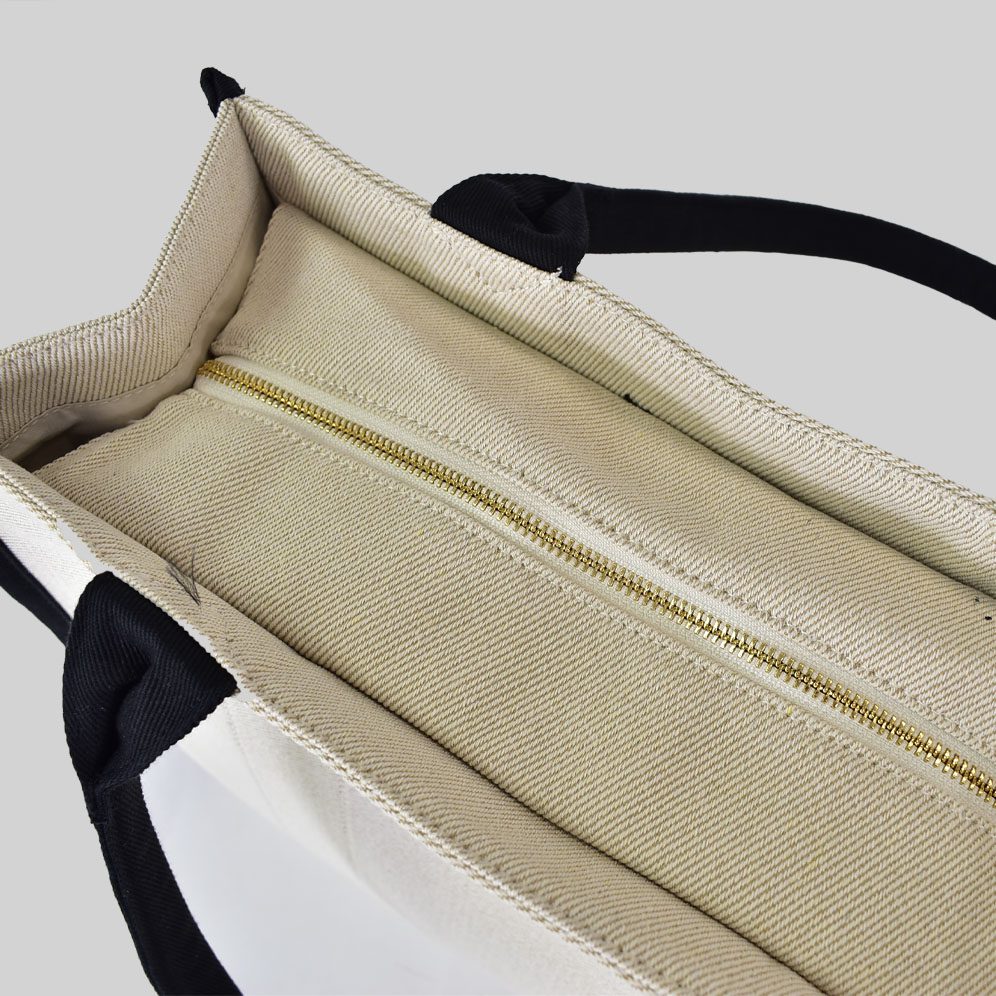
Closures serve as the guardians of the bag’s contents and provide another layer of design sophistication. A simple open-top tote is accessible, but the addition of a magnetic snap closure, a heavy-duty metal zipper, or a drawstring cord can significantly increase the bag’s utility. Zippers, in particular, offer a vast range of customization. Beyond the standard nylon zip, designers can opt for waterproof zippers for technical gear, chunky plastic zips for a modern aesthetic, or metallic zips for a vintage feel. The choice of closure often dictates the bag’s security level and its suitability for different environments, from the beach to the boardroom.

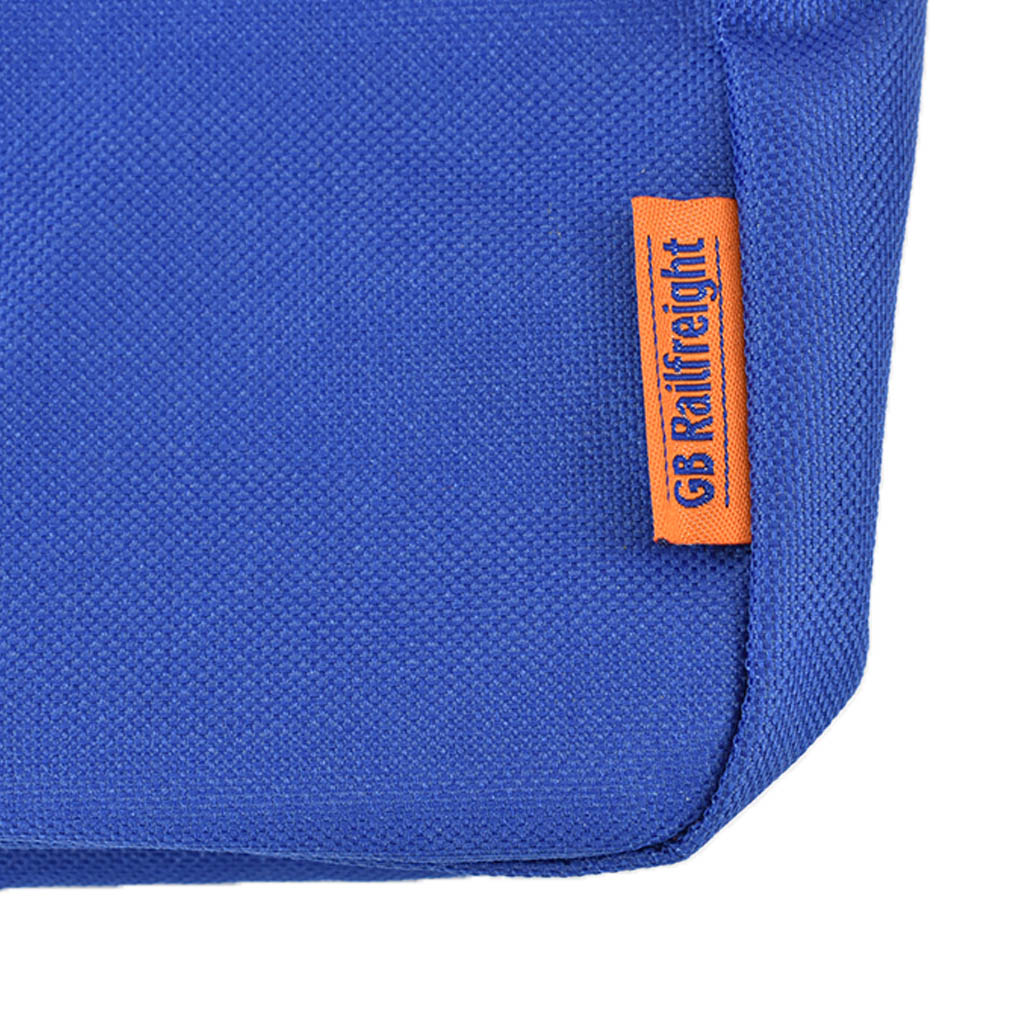
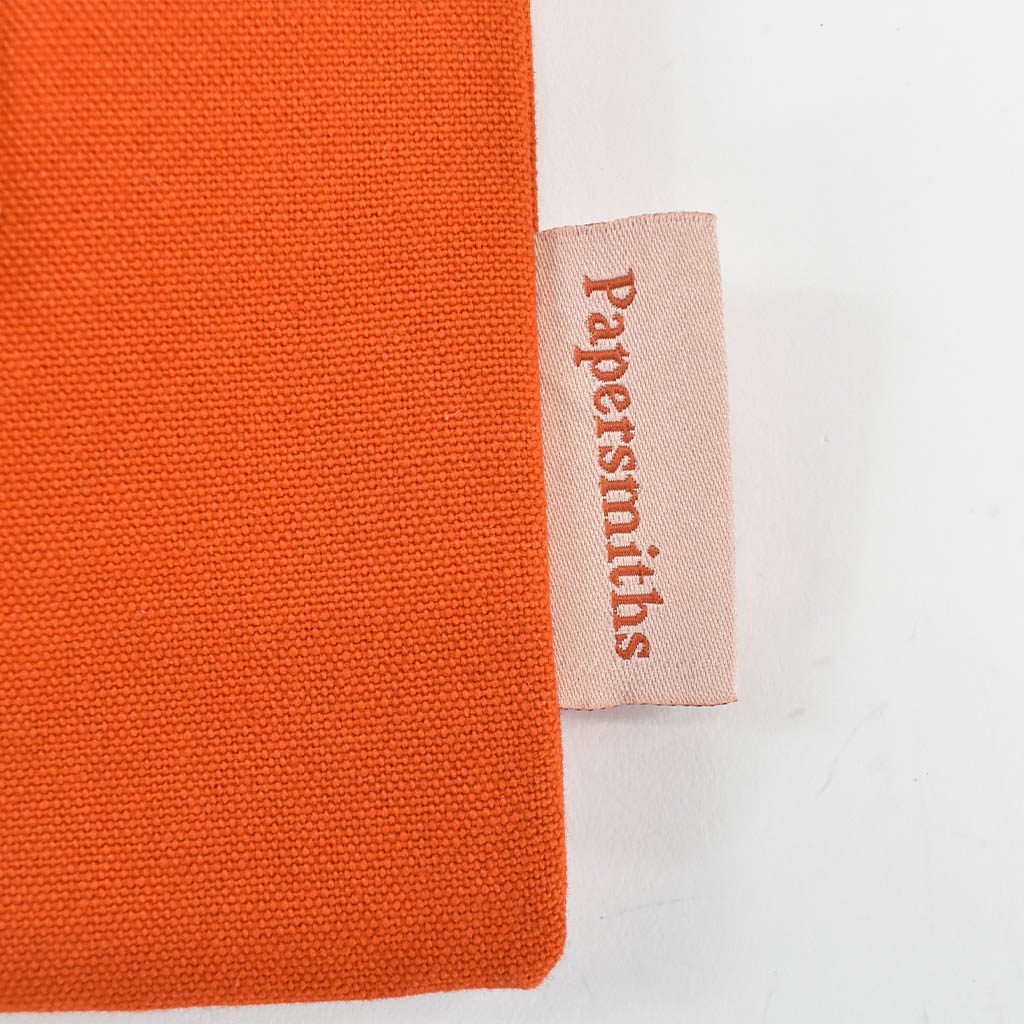
The transition from a functional item to a professional brand asset occurs in the details. This is where the "micro-customization" takes place—elements like labels, pockets, and zip pulls. Branded labels are a subtle yet powerful way to denote quality. A woven side-seam label or a debossed leather patch on the front of the bag provides a permanent mark of authenticity. Internal organization is another hallmark of thoughtful design. Adding a hanging internal pocket for keys and phones, or a mesh side pocket for water bottles, transforms a basic bag into a daily essential that the recipient will want to use repeatedly. Even the zip pulls can be customized; molded rubber pulls with a 3D logo or engraved metal pulls add a tactile premium quality that consumers associate with high-end retail products.
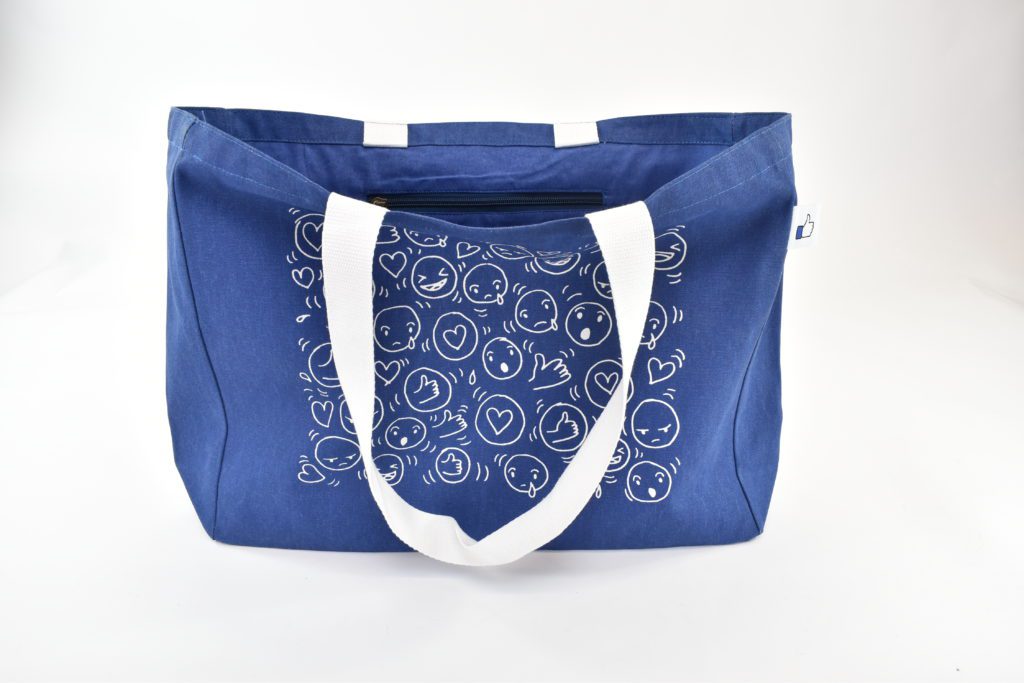
Decoration is the stage where the bag’s visual identity is finalized. The method of applying a logo or artwork must be chosen based on the fabric type and the desired aesthetic. Screen printing remains the industry standard for bold, vibrant colors and large-scale graphics, utilizing Pantone matching to ensure brand consistency. For complex, photographic designs or gradients, digital heat transfers or sublimation printing are more appropriate. Embroidery, meanwhile, offers a textured, high-relief finish that conveys a sense of tradition and durability. For a more avant-garde approach, designers might consider appliqué—where different fabrics are sewn onto the bag to create a multi-dimensional look—or embossing and debossing for a subtle, "quiet luxury" effect on leather and felt materials.
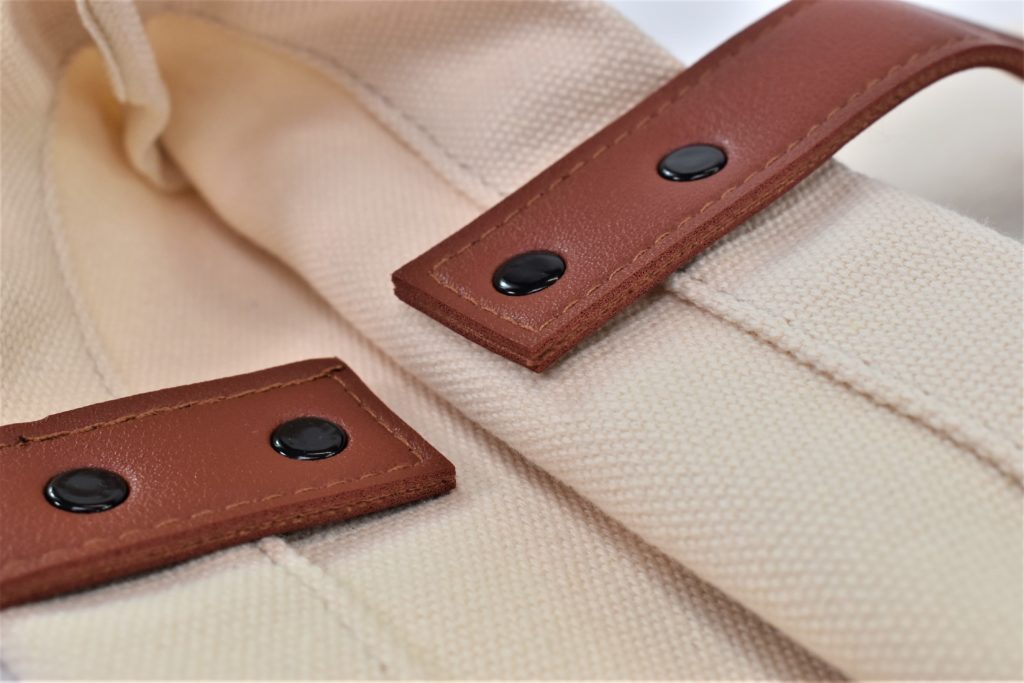
In the modern market, the "extra flair" often involves integrating specialized features that solve specific problems. Contrast stitching can be used to highlight the bag’s construction, using a thread color that pops against the main fabric. Waterproof linings or "wipe-clean" coatings are essential for bags intended for cosmetics or food. For tech-focused brands, the inclusion of internal padding or RFID-blocking pockets provides a functional benefit that justifies a higher price point or a longer lifecycle. These additions demonstrate that the brand has considered the user’s needs beyond the initial point of sale.
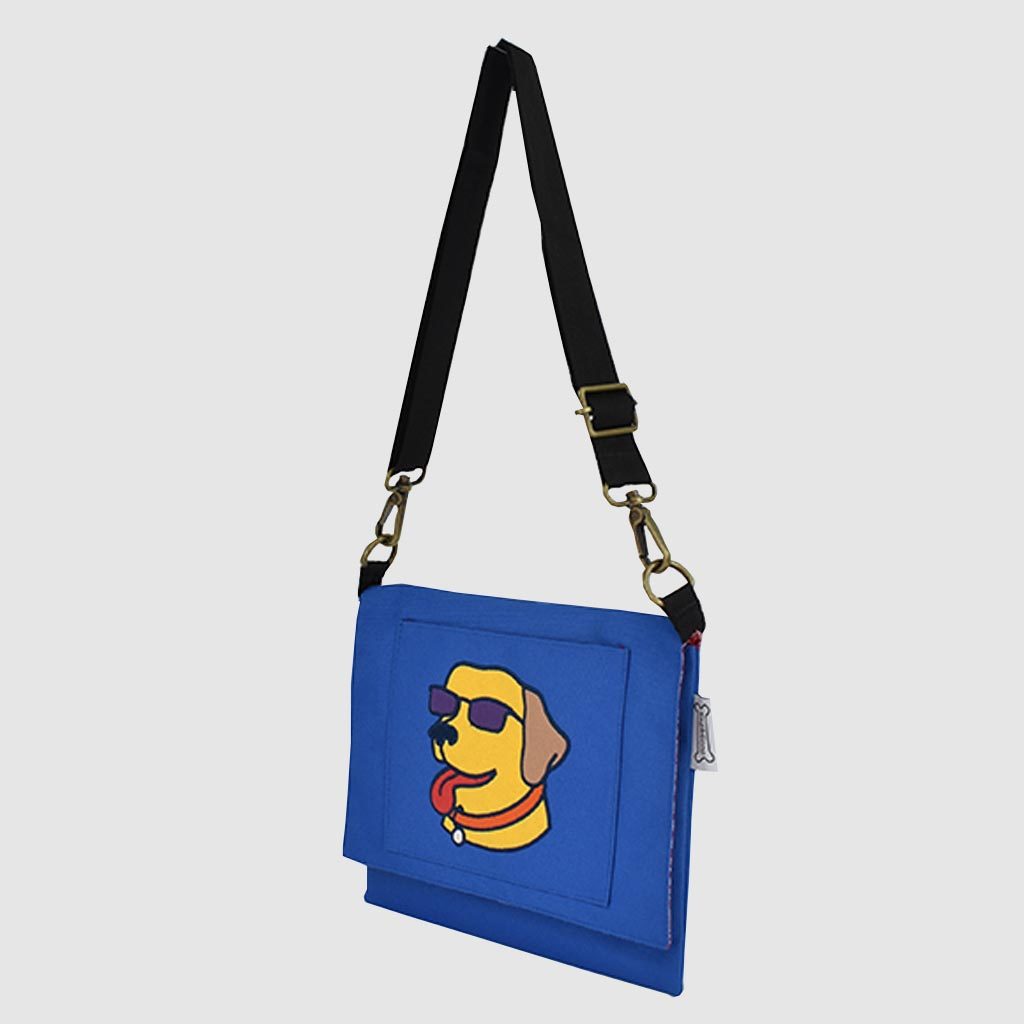
The power of bespoke design lies in its ability to create a lasting emotional connection. When a customer or employee receives a bag that feels intentionally designed—one that features a unique fabric, a comfortable handle, and a thoughtfully placed pocket—they perceive the brand as one that values quality and detail. This longevity is the ultimate goal of any promotional or retail item. A well-designed custom bag will be used for years, traveling through airports, offices, and gyms, providing thousands of organic brand impressions along the way.
At The Bag Workshop, the philosophy is centered on the belief that every brand has a story that can be told through a physical product. The process of moving from a blank canvas to a finished accessory is a collaborative effort, requiring technical expertise and creative vision. By navigating the vast array of fabrics, hardware, and decoration techniques, it is possible to create something that is not just a bag, but a true reflection of a vision. Whether the goal is to launch a new retail line, provide high-quality merchandise for a global summit, or create a unique gift for a boutique event, the move toward bespoke manufacturing is an investment in brand equity.
In conclusion, unleashing creativity through custom bag design is about more than just aesthetics; it is about strategic utility and brand storytelling. Every choice, from the GSM of the canvas to the material of the zip pull, contributes to the final narrative of the product. By rejecting the "one-size-fits-all" mentality of off-the-shelf solutions, organizations can craft accessories that are as unique and multifaceted as the people who carry them. The journey from a simple concept to a professional-grade carryall is paved with these deliberate design decisions, ultimately resulting in a product that exceeds expectations and stands the test of time. Ready to begin your own design journey? The experts at The Bag Workshop are prepared to help you navigate these endless possibilities and bring your bespoke vision to life.