

In the modern landscape of retail and corporate identity, the humble bag has undergone a radical transformation, evolving from a mere utilitarian vessel into a sophisticated medium for brand expression and personal style. While mass-produced, off-the-shelf options provide a quick fix for basic transportation needs, they often fail to capture the nuance of a brand’s soul or the specific functional requirements of a discerning user. The true potential of an accessory is only realized when one moves beyond the limitations of pre-existing inventory and embraces the limitless horizon of bespoke manufacturing. Custom bag design is not merely about placing a logo on a surface; it is an intricate process of engineering, material science, and aesthetic curation that results in a product that is as durable as it is communicative.
To understand the power of a custom-built bag, one must first look at the foundational elements that dictate its longevity and impact. The process begins not with a graphic, but with the selection of the substrate—the fabric that forms the "skin" of the product. In the current market, the choice of material serves as a silent yet potent communicator of values. For instance, a brand focusing on ruggedness and heritage might opt for a heavyweight 16oz cotton canvas, a material renowned for its high tensile strength and ability to develop a unique patina over time. Conversely, a tech-forward or eco-conscious enterprise might lean toward RPET (Recycled Polyethylene Terephthalate), a fabric engineered from post-consumer plastic bottles. This choice does more than provide a structure; it tells a story of environmental stewardship and innovation before a single word of marketing copy is read. Other materials like jute offer a rustic, organic appeal perfect for the artisanal sector, while non-woven polypropylene provides a cost-effective, lightweight solution for large-scale event distribution.
Once the material is established, the focus shifts to the structural silhouette of the bag. Bespoke design allows for the manipulation of dimensions down to the millimeter, ensuring that the final product is perfectly fit for its intended purpose. A standard tote might suffice for groceries, but a custom-engineered bag can incorporate specific gusset depths—side gussets for a boxy, structured look or a bottom-only gusset for a sleeker profile. This phase of design also considers internal reinforcement. The addition of a baseboard, for example, prevents the "sagging" effect common in inferior products, maintaining the bag’s architectural integrity even when loaded with heavy items. By controlling the shape, a designer ensures that the bag remains a professional-looking "walking billboard" rather than a shapeless sack.
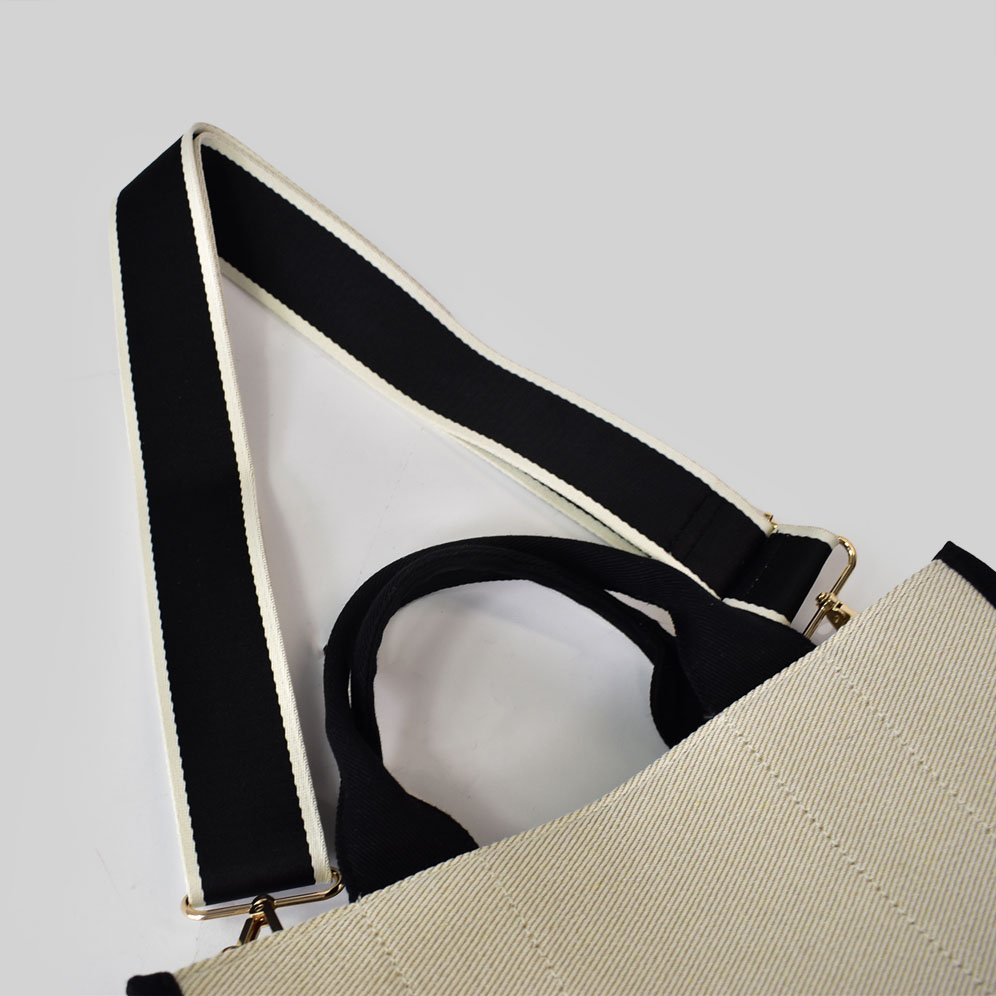
The transition from a basic container to a premium accessory is often found in the handles and carrying systems. This is a critical touchpoint where ergonomics meets aesthetics. The length of a handle determines whether a bag is carried by hand, in the crook of the elbow, or over the shoulder, each offering a different "vibe" and level of comfort. Materials here are equally diverse. Cotton webbing offers a soft, comfortable grip for daily use, while PU leather (vegan leather) handles attached with metal rivets can instantly elevate a canvas tote into a luxury item suitable for high-end retail. For a more industrial or nautical aesthetic, thick rope handles with metal eyelets provide a tactile, heavy-duty feel. The customization of handles even extends to "self-fabric" options, where the straps are made from the same material as the body for a seamless, minimalist appearance.
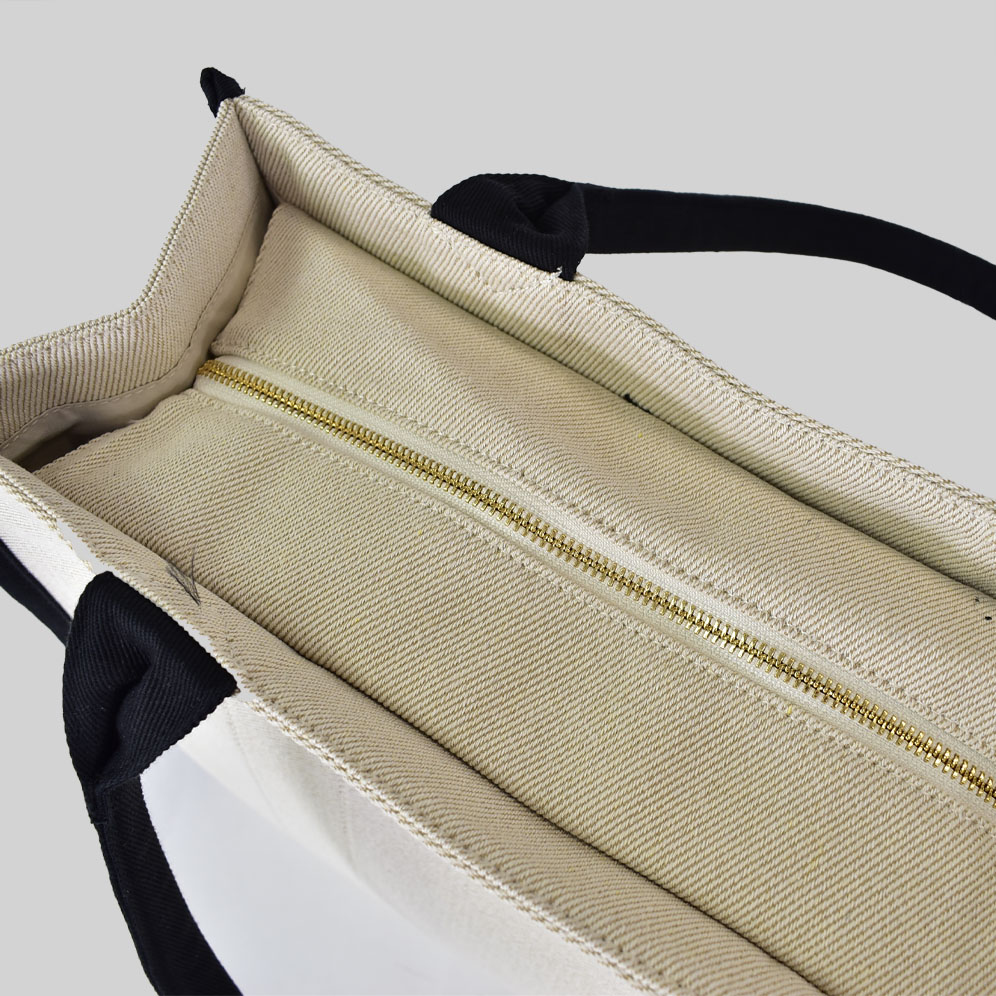
Functionality is further refined through the selection of closures and hardware. A bag’s security and ease of access are paramount to the user experience. While many stock bags remain open at the top, custom designs can integrate high-quality nylon or metal zippers for total security. For a more casual or vintage feel, magnetic snaps or wooden toggles offer a satisfying tactile interaction. The hardware itself—the sliders, D-rings, and rivets—can be finished in various coatings such as antique brass, gunmetal, or polished nickel, allowing the designer to match the metalwork to the brand’s existing visual language. Even the zip pullers can be customized, with molded rubber or embossed leather tabs that provide a final, subtle hint of quality.
As we move into the interior of the bag, the opportunities for "hidden" branding and enhanced utility become apparent. A bespoke bag is an organized bag. Designers can specify internal pockets tailored for modern essentials: a padded sleeve for a 15-inch laptop, a narrow slot for a stylus, or a zipped security pocket for a wallet. Linings offer another layer of sophistication; a bright, contrasting interior lining not only makes it easier to find items at the bottom of the bag but also provides a "pop" of brand color that surprises and delights the user. This level of detail ensures that the bag becomes an indispensable part of the user’s daily routine, fostering a long-term emotional connection with the brand.
The most visible aspect of customization is, of course, the decoration. This is where the bag truly becomes a canvas for creativity. Modern printing and embellishment techniques have evolved to accommodate almost any artistic vision. Traditional screen printing remains the gold standard for bold, vibrant logos and high-volume runs, offering unmatched durability and color accuracy through Pantone matching. For designs featuring complex gradients or photographic elements, digital printing (DTG) or heat transfer technology allows for a level of detail that was once impossible on fabric. However, for a truly premium feel, embroidery and appliqué offer a three-dimensional texture that suggests craftsmanship and permanence. These techniques don’t just sit on the fabric; they become part of it, ensuring the branding won’t peel or fade over years of use.
To truly push the boundaries of design, one must look at the "devil in the details"—those small, often overlooked features that separate a promotional item from a retail-grade product. Woven labels, sewn into the side seam or onto an internal pocket, provide a discreet yet powerful mark of authenticity. Swing tags, custom-printed with QR codes or brand stories, offer an opportunity for digital integration. Even the stitching can be customized; contrast stitching in a bold color can highlight the bag’s construction and add a contemporary edge to a classic design. For those seeking the ultimate in brand immersion, "all-over" printing allows the design to bleed into the seams, utilizing every square inch of the material before it is even stitched together.
The shift toward bespoke bag design is also driven by the global movement toward sustainability and ethical manufacturing. When a company commissions a custom bag, they gain greater transparency into the supply chain. They can choose GOTS-certified organic cotton, ensuring that no harmful pesticides were used in the fiber’s production, or Fairtrade-certified factories that guarantee equitable wages for workers. This ethical dimension is increasingly important to modern consumers, who view their purchases as reflections of their own moral compass. A custom bag, therefore, becomes a symbol of a brand’s commitment to doing better for the planet and its people.
Navigating this complex world of fabrics, structures, and finishes requires a partner with deep industry expertise. The Bag Workshop stands at the intersection of this creative and technical process, serving as a bridge between a client’s initial vision and a high-quality physical product. By offering a comprehensive design service that covers everything from initial sketches to final logistics, they empower brands to create accessories that are not just functional, but transformational. Whether the goal is to create a high-end gift for a corporate retreat, a durable piece of merchandise for a touring artist, or a sustainable packaging solution for a boutique retailer, the move to bespoke design ensures that the final result is unique, effective, and built to last.
In conclusion, the journey from a blank canvas to a finished custom bag is an exercise in intentionality. Every choice—from the GSM of the canvas to the finish on the zipper—contributes to the final perception of the brand. In an era where generic products are quickly forgotten, a thoughtfully designed, custom-manufactured bag stands out as a testament to quality and creativity. It is an investment in brand equity, a functional tool for the user, and a lasting piece of design that carries a message far beyond the walls of any store or office. By unleashing the full potential of customization, brands can move beyond the ordinary and create something truly extraordinary.