

In the contemporary landscape of brand marketing, the distinction between "merchandise" and "brand extension" has become the defining line between success and obscurity. For premium brands, every touchpoint with a consumer—be it a digital advertisement, a physical retail space, or a promotional gift—must radiate a consistent commitment to excellence. When a high-end brand decides to move beyond standard offerings to create a bespoke item, the stakes are remarkably high. This is particularly true in the realm of bag design development, where the intersection of utility, durability, and high-fashion aesthetics requires a surgical level of precision. The following exploration details a comprehensive case study in creating a custom cool bag that does more than carry items; it elevates the very perception of the brand it represents.
The philosophy behind specialized bag design services is rooted in the understanding that a bag is rarely just a container. It is a mobile billboard, a functional tool, and a tactile representation of a company’s values. In a competitive market, off-the-shelf solutions often fall short because they are designed for the masses rather than the specific nuances of a luxury identity. The journey from a conceptual brief to a physical product involves a multifaceted approach that addresses hygienic requirements, thermal integrity, and aesthetic harmony. For this specific project, the objective was clear: design a custom cool bag for a premium brand that could provide sophisticated food protection while seamlessly integrating into an existing suite of high-end products.
The design brief served as the foundational blueprint for the entire project. The client, an established name in the premium sector, required a product that functioned flawlessly under real-world conditions. A cool bag, by definition, has a job to do—it must keep contents at a specific temperature and remain hygienically secure. However, for a luxury brand, "functional" is merely the baseline. The real challenge lay in marrying this high utility with an elevated aesthetic. The client demanded a wipe-clean interior for practical maintenance and a thermal layer for performance, but these features had to be encased in an exterior that matched their precise brand colors and conveyed a sense of understated elegance. This required a bag design development partner capable of navigating the tension between industrial performance and boutique design.
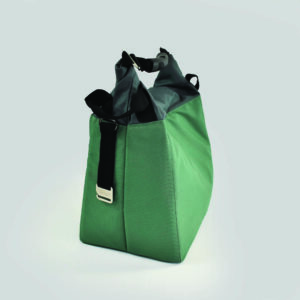
The first phase of the development process focused on precision aesthetics, specifically through the lens of Pantone matching and exterior fabric selection. For a premium brand, color is a core component of their intellectual property. A shade that is "close" to the brand guidelines is, in the world of high-end manufacturing, a failure. To achieve a seamless integration with the client’s existing product range, the design team utilized rigorous Pantone-matching protocols. This involved not only selecting the right dyes but also testing how those dyes interacted with specific fabric weaves under various lighting conditions. The exterior material needed to be durable enough to withstand the rigors of travel and outdoor use while maintaining a texture and sheen that felt premium to the touch. By focusing on the tactile quality of the fabric, the team ensured that the first point of contact—the user’s hand on the bag—reinforced the brand’s high-quality positioning.
Phase two shifted the focus inward, toward the engineering of thermal and hygienic integrity. A cool bag that fails to keep food cool is a liability to the brand’s reputation. The internal structure was developed using advanced thermal fabrics, creating a barrier that minimizes heat transfer and maintains a consistent internal microclimate. Beyond temperature control, hygiene was a paramount concern. The interior was designed with a specialized, non-porous lining that allows for easy cleaning, ensuring that the bag remains a safe environment for food and beverages over long-term use. This phase of development is where "fit for purpose" becomes a technical reality. By layering high-performance insulation between the aesthetic exterior and the hygienic interior, the team created a product that offers heavy-duty performance without the bulky, industrial appearance often associated with traditional cooler bags.
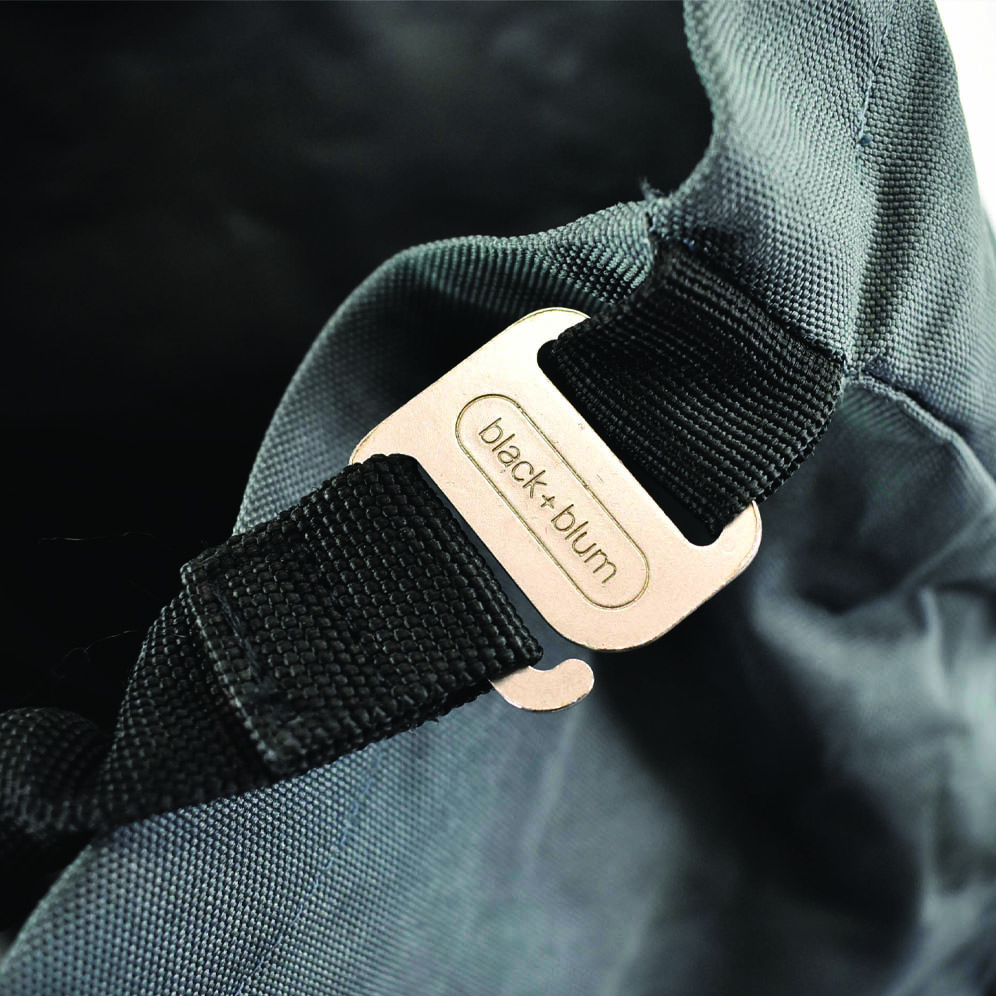
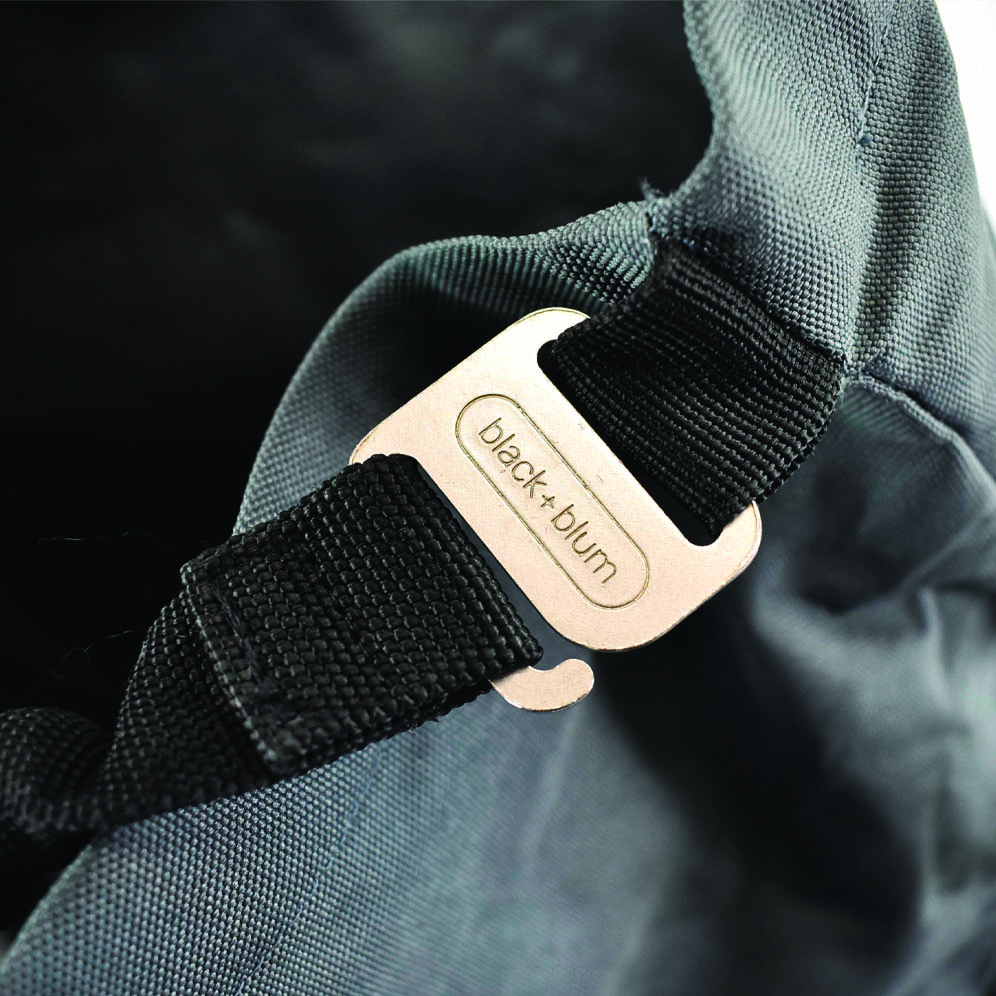
The third phase of the process was perhaps the most nuanced: the incorporation of sophisticated branding and custom components. In the luxury market, branding is often most effective when it is subtle. Rather than utilizing loud, oversized logos that can detract from the product’s elegance, the design team focused on high-quality, woven brand labels and bespoke hardware. Every closure, zipper pull, and handle was scrutinized for its contribution to the overall user experience. The handles, in particular, were designed for ergonomic comfort, ensuring that the bag remains easy to carry even when fully loaded. The inclusion of custom-engraved metal buckles or subtly placed woven labels provides a "discovery" element for the consumer—small details that signal a high level of craftsmanship and attention to detail. These bespoke solutions for closures and handles were balanced against the project’s budget, proving that luxury can be achieved through smart engineering rather than just excessive spending.
The results of this meticulous bag design development process were transformative. When the custom cool bag was finally launched, it achieved a rare duality: it was a powerhouse of utility and a masterpiece of brand alignment. The aesthetic integrity was flawless; the Pantone-matched exterior ensured the bag looked like a natural extension of the client’s existing merchandise line, reinforcing brand recognition at every glance. Functionally, the bag performed to the highest standards, providing the thermal protection and hygienic security required for premium food and beverage transport. The project demonstrated that when a brand invests in professional bag development and sampling, the resulting product ceases to be a mere "giveaway" and becomes a valuable asset that builds long-term brand credibility.
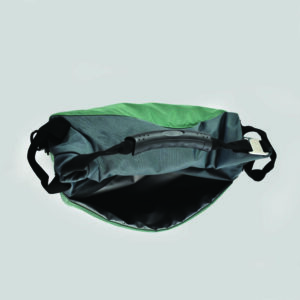
The success of this project also highlights the importance of the sampling phase in the development cycle. Sampling is the bridge between the digital design and the physical reality. It is during this stage that the weight of the fabric, the smoothness of the zippers, and the effectiveness of the insulation are truly tested. By engaging in a collaborative journey from initial concept sketches to final product samples, the design team was able to iterate and refine every element, ensuring that the final manufacture met the client’s stringent standards. This thoroughness is what sets a specialized bag design service apart from a standard supplier.
Furthermore, this case study serves as a window into the broader capabilities of the Wurlin Group. As a collective of specialists, the group understands that premium branding extends beyond bags. Through entities like the Umbrella Workshop, the group provides bespoke solutions for everything from high-end umbrellas to custom packaging and sophisticated merchandise. This holistic approach to product design development allows brands to create a unified physical presence across multiple categories. Whether it is sourcing rare materials through a global supplier reach or coordinating complex international distribution, the focus remains on delivering innovative manufacture and structured project coordination.
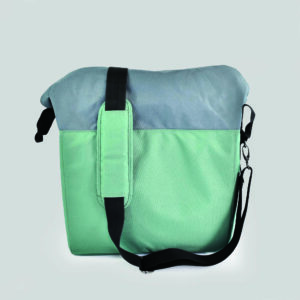
In conclusion, the development of a premium cool bag is a testament to the power of bespoke design. By refusing to compromise on either form or function, brands can create merchandise that truly resonates with their audience. Every element of the bag—from the thermal lining to the woven label—is an opportunity to tell a story of quality and care. For creative agencies and brand owners, the lesson is clear: in a world of disposable products, a well-engineered, custom-designed bag stands out as a symbol of excellence. It is not just about keeping things cool; it is about elevating the brand to a level where every product it puts its name on is a reflection of its highest standards. Through precision, collaboration, and a deep understanding of material science, the Bag Workshop and the Wurlin Group continue to redefine what is possible in the world of custom branded solutions.