

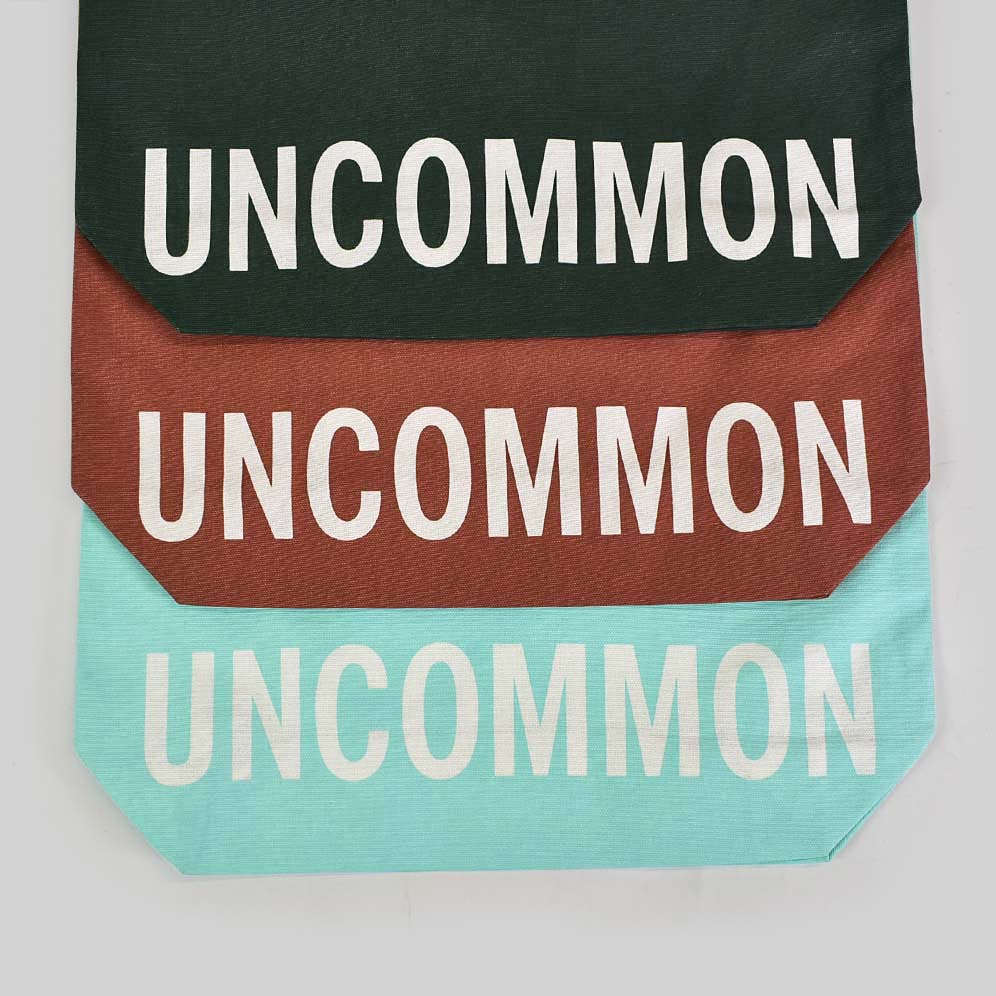
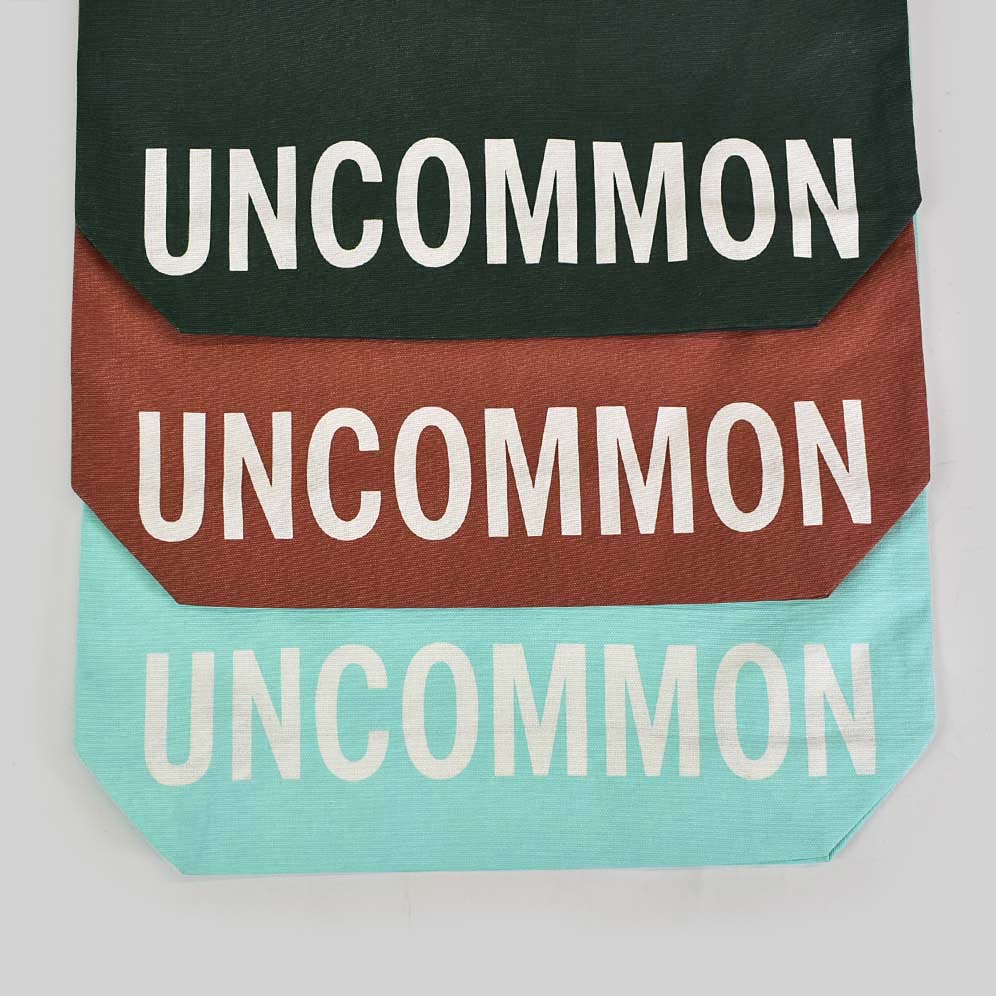
In the contemporary marketplace, the transition from a simple promotional product to a high-value brand asset is defined by a single word: intentionality. When a brand decides to move beyond the generic, off-the-shelf options that saturate the industry, they enter a realm where design meets utility, and color becomes a silent ambassador for their corporate identity. A prime example of this evolution can be found in a recent collection of bespoke book bags designed for the brand "UNCOMMON." This project serves as a masterclass in how creative colorways—specifically a curated trio of turquoise, rust red, and deep forest green—can transform a utilitarian object into a definitive fashion statement. By focusing on the intersection of aesthetic boldness and functional customization, brands can create merchandise that does not merely sit in a cupboard but is actively worn, used, and showcased in the wild.
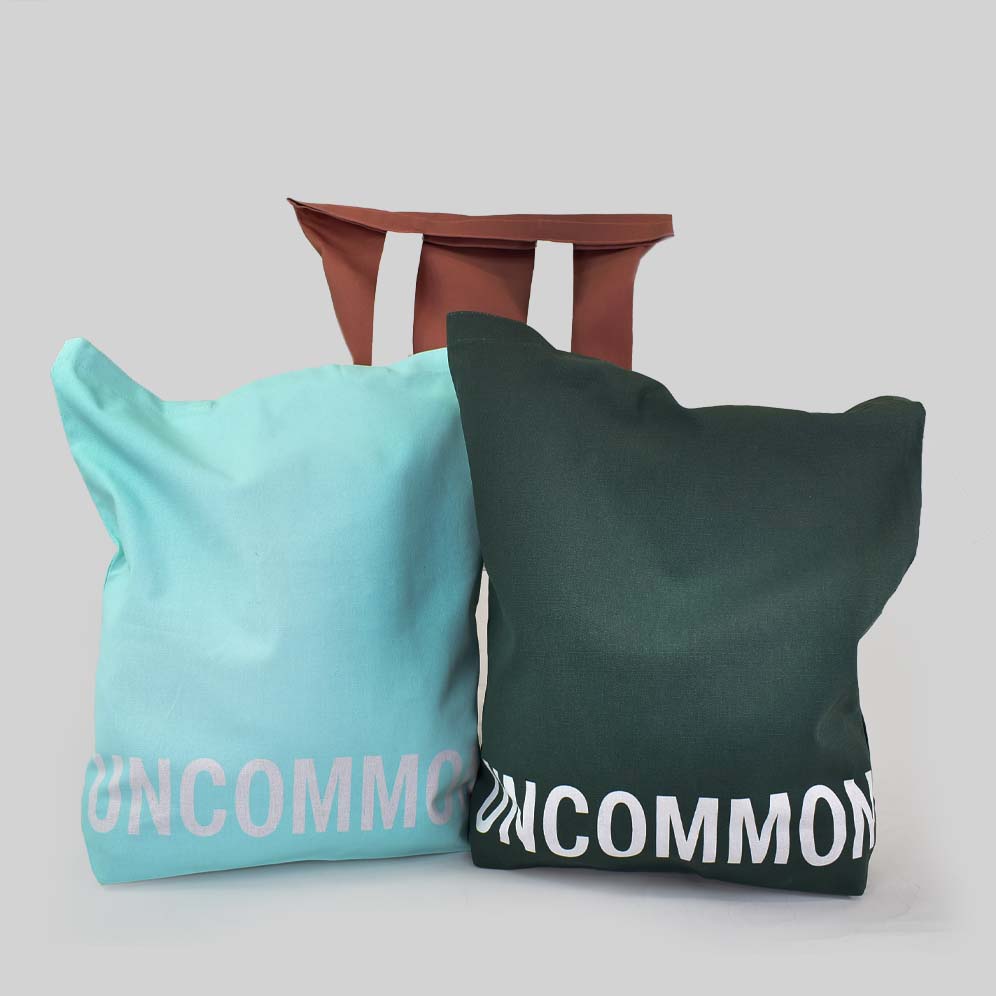
The psychology of color is perhaps the most potent tool in a designer’s arsenal. In the case of the UNCOMMON collection, the selection of three distinct hues allows the brand to appeal to a diverse demographic while maintaining a cohesive visual language. The turquoise variant offers a sense of modern innovation and clarity, often associated with tech-forward or creative industries. The rust red bag provides a grounding, earthy warmth that speaks to reliability, heritage, and organic growth. Finally, the dark green option evokes a sense of prestige and environmental consciousness, tapping into the timeless appeal of the natural world. By offering these three "creative colourways," the brand ensures that there is a version of their message that resonates with every individual’s personal style, thereby increasing the "dwell time" of the brand in the consumer’s daily life.
However, the impact of these bags extends far beyond their primary pigments. To truly enrich the data of this design project, one must look at the structural choices that elevate these items from "totes" to "bespoke accessories." One of the most striking features of the UNCOMMON collection is the use of contrasting white handles. While a standard bag might use color-matched straps to save on production costs, these bags utilize a stark, crisp white that draws the eye upward and frames the bag’s body. These handles are engineered for comfort, featuring a specific length designed for over-the-shoulder carrying. This is a critical ergonomic detail; a handle that is too short restricts the bag to hand-carrying, while one that is too long can cause the bag to bump against the legs. The "shoulder-drop" of these handles is calibrated for the modern urban commuter, ensuring that even when the bag is filled with heavy books or a laptop, it remains a comfortable companion.
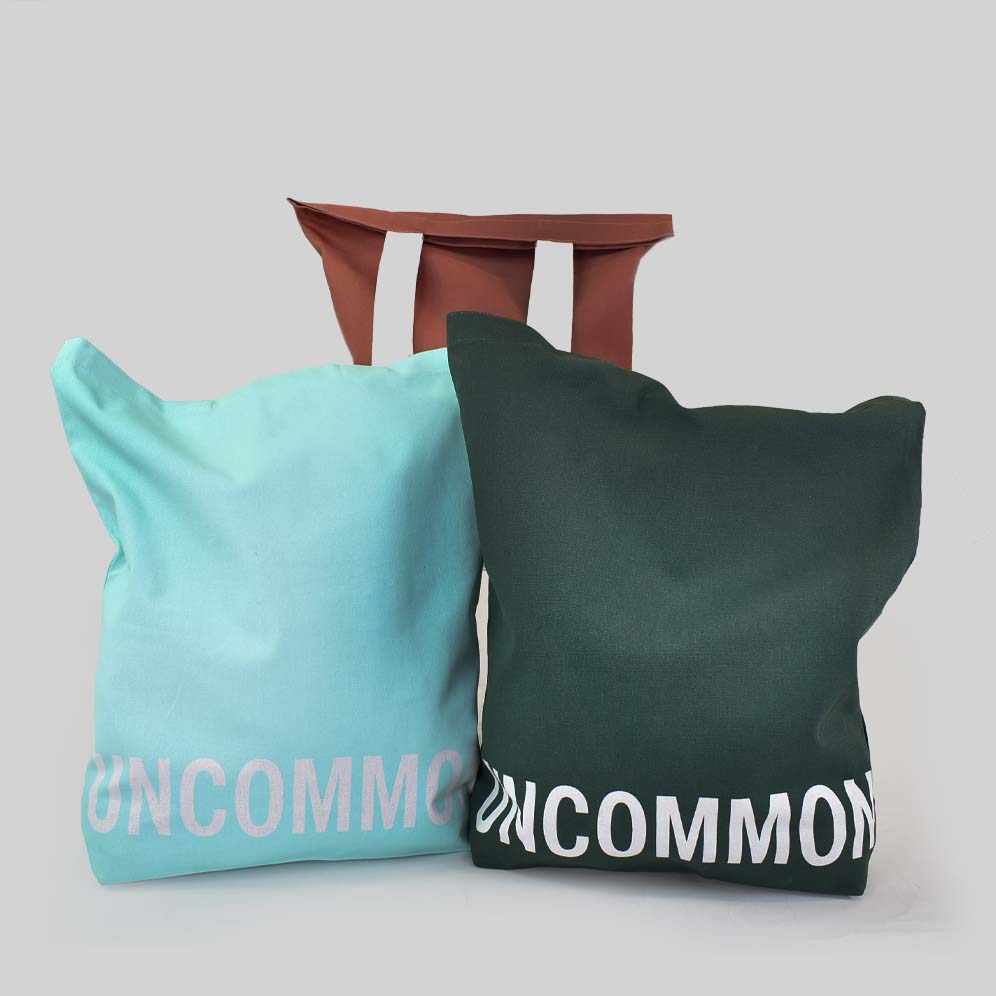
The customization journey for a high-end bag like this involves a multitude of technical decisions that the average consumer may never consciously notice but will certainly feel. Take, for instance, the branding techniques available to modern companies. While screen printing remains a popular choice for large-scale logos, the UNCOMMON bags utilize a sophisticated placement of text along the bottom panel. This unconventional positioning is a subtle nod to the brand name itself, breaking the traditional "logo-in-the-center" mold. For brands looking to go even further, several premium personalization options exist to add texture and depth to the product.
Brand labels are a primary example of subtle luxury. These can be woven into the side seams or heat-pressed onto the interior, providing a "retail-ready" feel that suggests the item was purchased in a high-end boutique rather than handed out at a conference. For a more tactile, three-dimensional effect, PU (polyurethane) badges offer a contemporary edge. These badges can be embossed or debossed with a logo, providing a rubberized texture that is both durable and visually distinct. Furthermore, embroidery remains the gold standard for luxury branding. By using high-denier threads, a brand can stitch its identity directly into the fabric, creating a logo that will never fade, peel, or crack, regardless of how many times the bag is laundered.
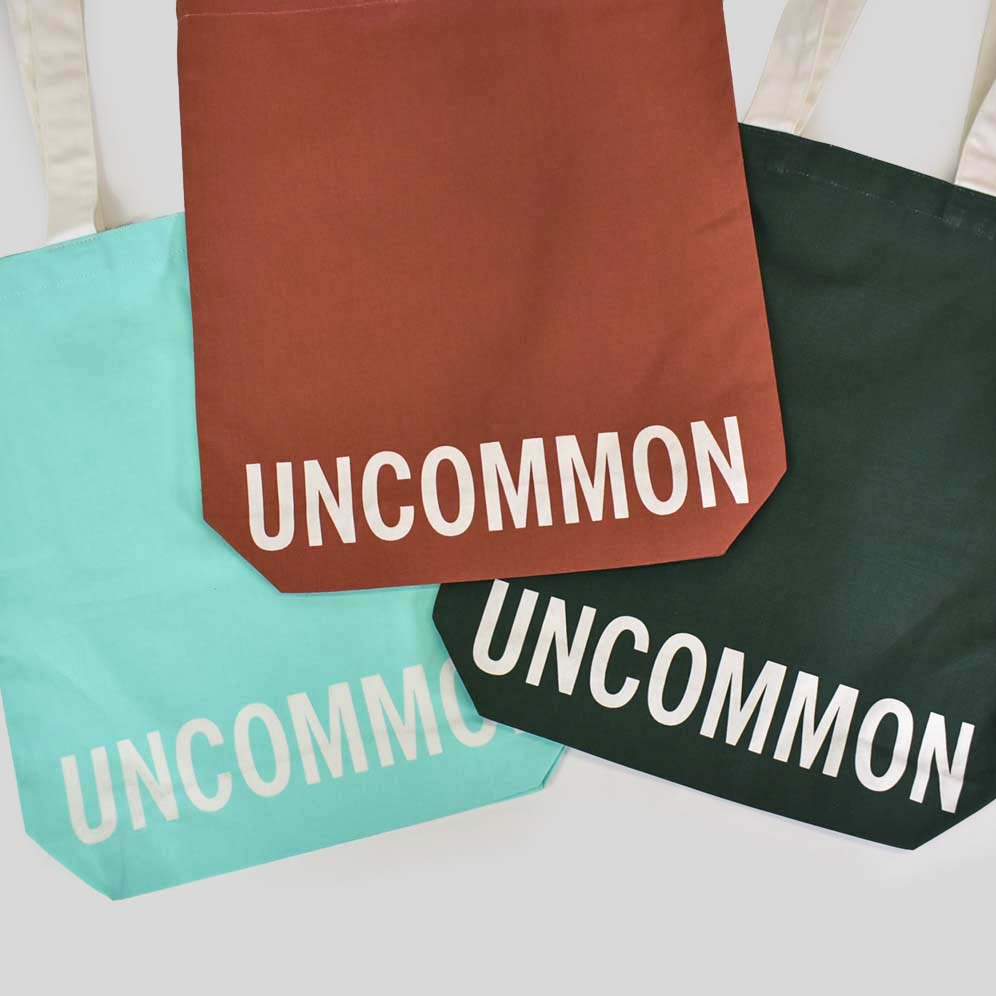
The utility of a bespoke bag is also defined by its security and closure mechanisms. The UNCOMMON book bags are designed for easy access, but many brands require more specialized solutions. For instance, a book bag intended for students or professionals might benefit from a customized zipper. These are not merely functional; the zipper pulls themselves can be molded into custom shapes or engraved with brand symbols. For a more vintage or "heritage" aesthetic, metal poppers (also known as snap fasteners) provide a satisfying tactile click and a secure hold. Other options include draw-cord closures, which are ideal for gym or laundry-style bags, and rugged buckles for a more utilitarian, "tech-wear" appearance. Even Velcro has its place in fast-paced environments where quick access is prioritized over silent operation.
An often-overlooked aspect of brand merchandise is the ecosystem in which it exists. A bag is rarely an isolated item; it is frequently part of a broader suite of branded goods. The UNCOMMON project highlights the synergy between different product categories, such as the relationship between high-quality bags and premium umbrellas. Through sister companies like The Umbrella Workshop, brands can create a unified aesthetic across diverse items. Imagine a rainy city street where a commuter carries a rust-red UNCOMMON tote while shielding themselves with a matching, high-performance umbrella featuring the same color-matched canopy and white accents. This level of brand coordination creates a powerful visual narrative that suggests sophistication and attention to detail.
To manage such complex merchandise portfolios, modern fulfillment services have become essential. It is no longer enough to simply manufacture a beautiful bag; a brand must be able to store, manage, and distribute those items efficiently. "Pick-and-pack" services allow companies to outsource the logistics of their merchandise. When an order is placed—whether by a corporate office for a new hire or by a customer on an e-commerce platform—the item is selected from a climate-controlled warehouse, professionally packed, and shipped globally. This infrastructure ensures that the premium experience of the product is maintained from the moment it leaves the factory to the moment it is unboxed by the end-user.
The materials used in the construction of these bags also warrant a deep dive. To achieve the vibrant saturation seen in the turquoise and rust-red models, high-quality canvas or heavy-duty cotton must be used. These fabrics are often pre-treated to ensure colorfastness, meaning the "creative colourways" won’t bleed onto the user’s clothing during a rainstorm or fade after a few weeks in the sun. The weight of the fabric—measured in ounces—is a key indicator of quality. A 10oz or 12oz canvas provides the structural integrity needed for the bag to stand upright when empty, a hallmark of a premium product compared to the flimsy, 4oz "promotional" totes that often end up as single-use items.
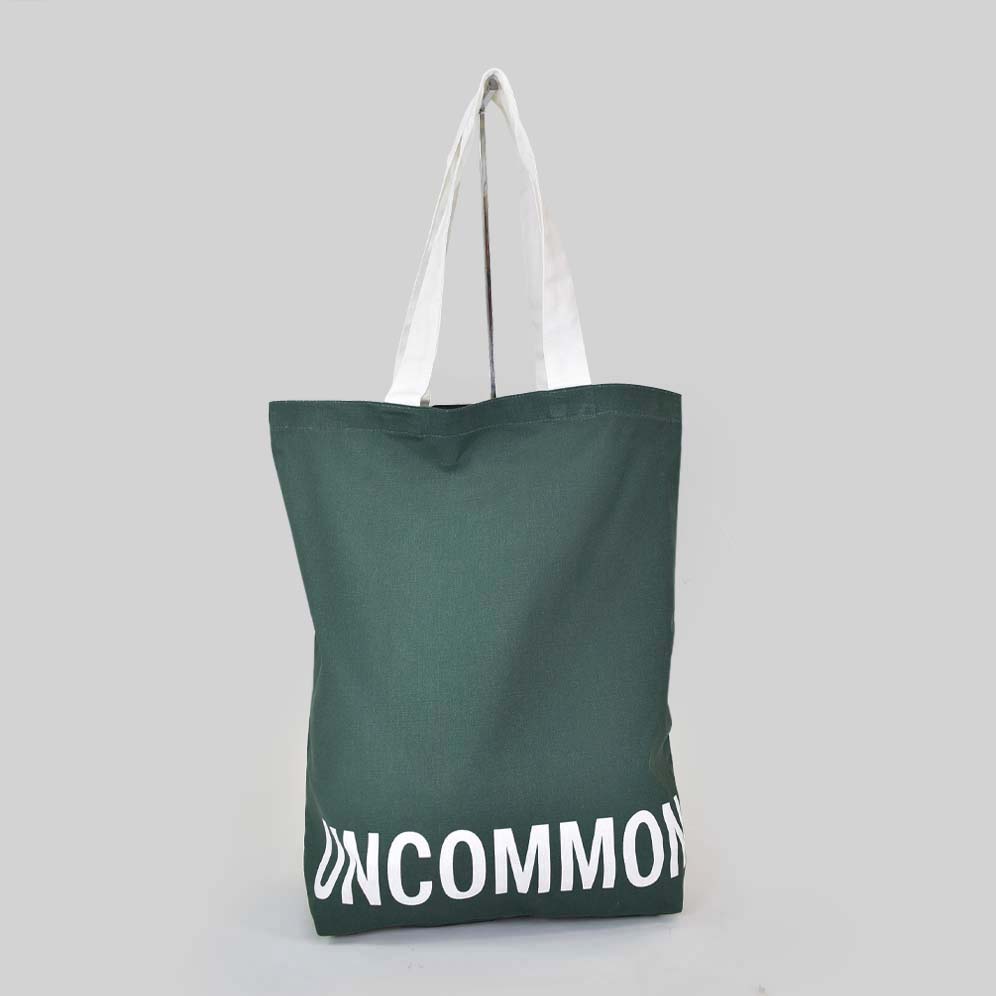
Ultimately, the UNCOMMON bags represent a shift in how we perceive the "tote." They are no longer just carriers for groceries; they are canvases for brand expression. By meticulously choosing handle colors that align with a brand palette, experimenting with logo placement, and selecting hues that evoke specific emotional responses, a company can turn a simple accessory into a powerful marketing tool. The combination of bold colorways, ergonomic design, and a wide array of technical customization options—from PU badges to bespoke zippers—allows a brand to tell its story in a way that is both functional and fashionable. In an era where consumers are increasingly discerning about the brands they align with, providing a high-quality, aesthetically pleasing item like these bags is an investment in long-term brand loyalty and visibility. It is a move from the common to the uncommon, ensuring that the brand’s message is carried forward with style, durability, and a splash of creative color.