

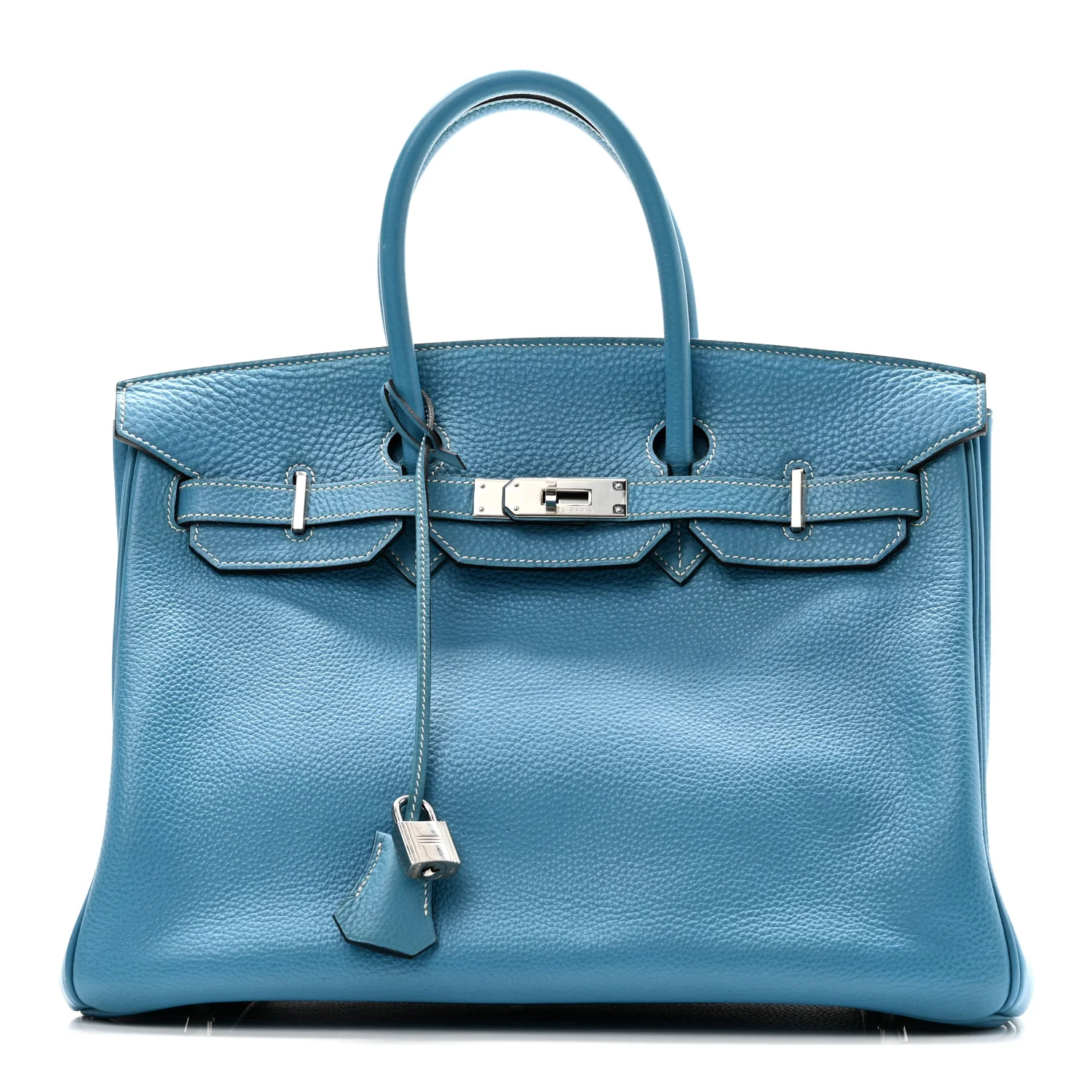
The luxury landscape is currently experiencing a seismic shift, evidenced most recently by Hermès’ January 2026 price adjustments, which saw the cost of coveted handbags escalate by an average of 6-8%. For aspirational buyers relying on boutique access, this latest hike further widens the already daunting gap between desire and attainment. In the United States, the entry-level Birkin now demands a minimum of $13,500 at the flagship stores, while the classic, generously sized Birkin 35 commands a formidable $16,300—a price point that often remains purely theoretical for those without established client profiles.
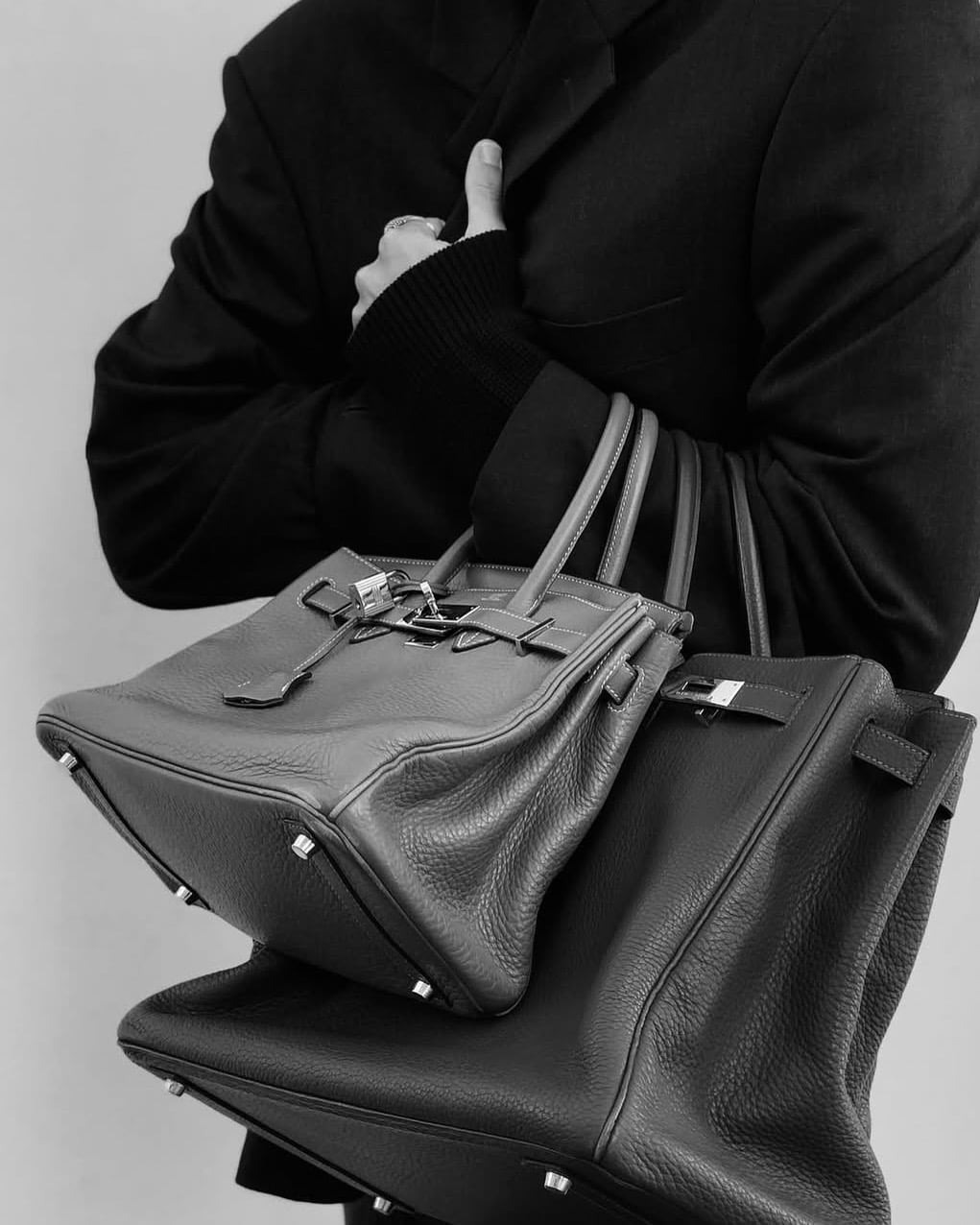
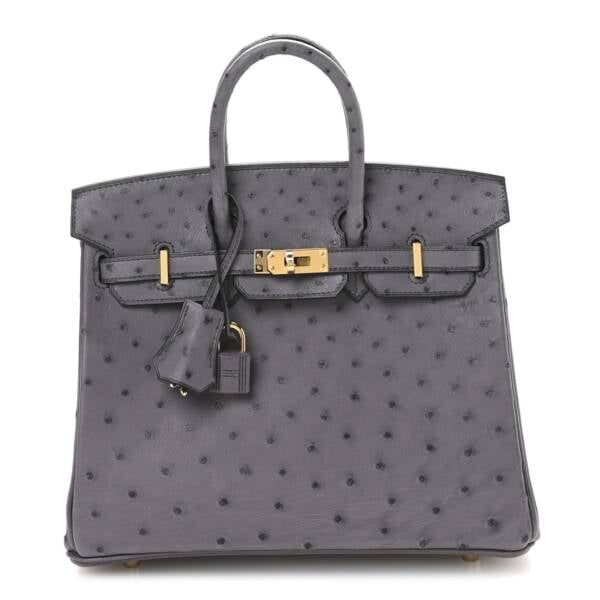
This retail inflation invariably sends ripples across the secondary market, yet the immediate impact is not uniform across all sizes. Historically, the hierarchy of desirability—and subsequent resale pricing—has favored smaller silhouettes. Following the monumental success of the Birkin 25, introduced two decades ago, fashion’s pendulum swung decisively towards compact elegance. This enduring preference has meant that, until recently, the B25 has consistently commanded a significant premium over its original retail value on established, reputable resale platforms like FASHIONPHILE.
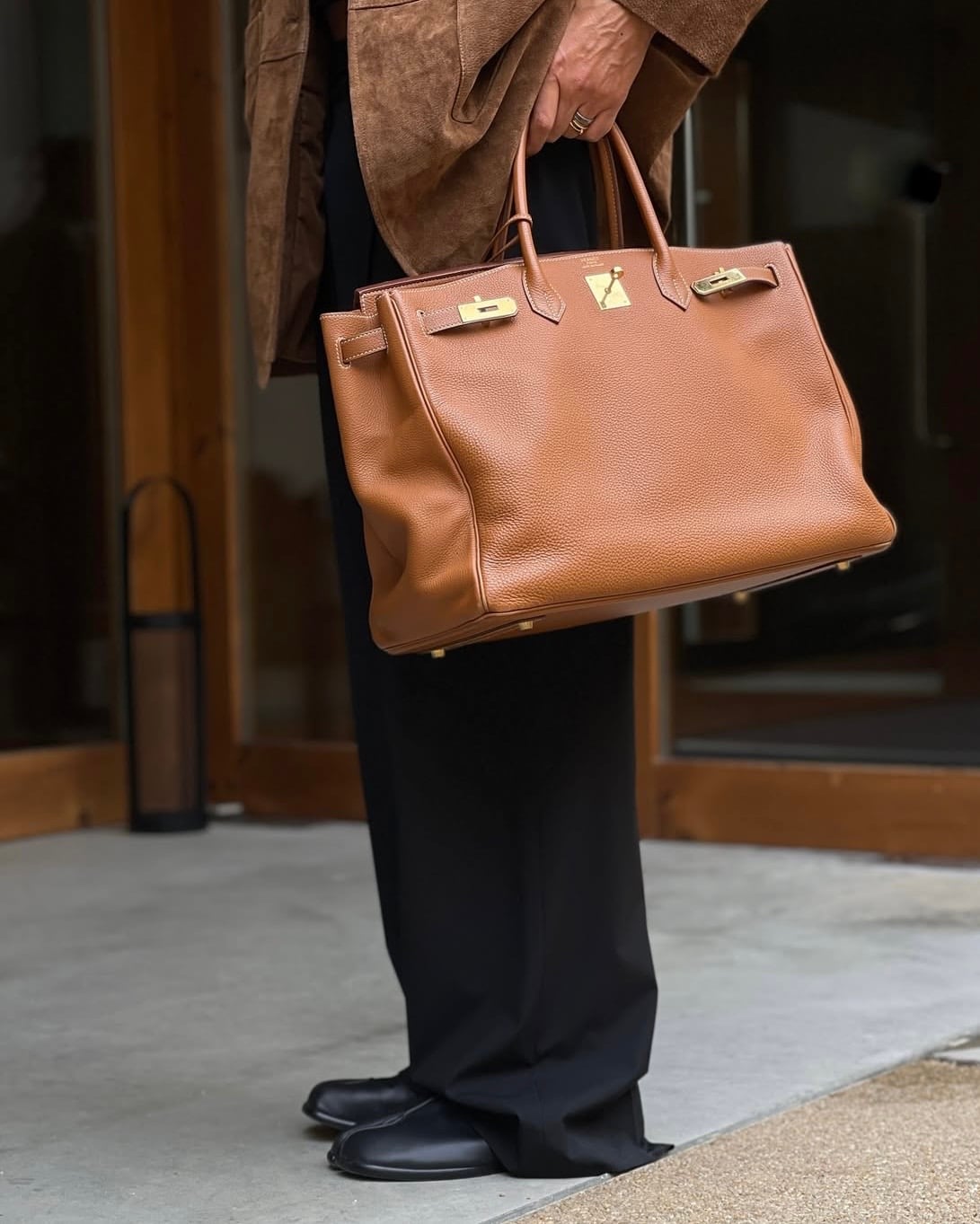
Conversely, the larger Birkin models, particularly the stately Birkin 35 and the capacious Birkin 40, languished in relative price stagnation on the secondary market. These bags, celebrated for their utility as the quintessential travel companion and daily workhorse, often arrived on resale sites showing the patina of frequent use, leading to more accessible pricing compared to their pristine, smaller counterparts. For years, securing a pre-owned B35 often meant spending well below the boutique sticker price, with typical transactions hovering between $6,500 and $10,000 just a short time ago.

However, the market’s response to the recent retail increases reveals a crucial inflection point for collectors focused on size and intrinsic value. The secondary market is demonstrating remarkable agility. In the wake of the January price announcements, the resale valuation for the Birkin 35 has already begun a sharp ascent. What was once a segment offering consistent bargains is transforming rapidly. Well-loved, utilitarian Birkin 35s are now beginning their climb from the $6,500 floor to a range starting around $7,000, while bags in exceptional, near-new condition are fetching prices that rival—or in some cases, spectacularly exceed—the new boutique retail price, soaring toward $27,000. This immediate adjustment underscores the dynamic relationship between primary market pricing strategy and secondary market expectations.

This sudden surge in B35 valuation is particularly telling, suggesting a potential strategic recalibration by Hermès itself, which applied the steepest increases—nearly 8%—to this specific size within the Birkin family. Several compelling factors may underpin this move. Logistically, the increased cost of raw materials necessary for a substantially larger piece is a clear factor. More intriguingly, this could signal Hermès’ confidence in, or perhaps active encouragement of, a resurgence in appreciation for larger, statement-making handbags.
Furthermore, a significant demographic shift in luxury consumption is playing a key role. The growing visibility of high-profile male collectors, particularly within sectors like professional sports (NFL and NBA athletes often feature large, high-impact accessories), suggests a natural inclination toward the B35 or B40 over the petite B25. These consumers often seek functional elegance that conveys status without sacrificing capacity.
Adding another layer to the shifting dynamics is the evolving aesthetic preference among established luxury patrons, particularly Generation X. There is a discernible trend away from the pristine, almost untouchable "new" look toward bags that embrace a "lived-in" or "beat-up" aesthetic—a sign of authentic use and history. The Birkin 35, with its robust structure and capacity to develop a rich patina over years of faithful service, perfectly embodies this coveted authenticity, contrasting with the "precious" feel often associated with smaller, less functional bags.
While the B35 exhibits this dramatic short-term price acceleration, the Birkin 40 currently retains a more moderate secondary market position. With a new retail price settling around $20,300, pre-owned B40s are still largely available in the $8,000 to $14,000 range, depending on condition and leather type. However, the velocity seen in the B35 market serves as a potent indicator: it is highly probable that the B40 will follow suit, experiencing its own significant upward correction as collectors recognize the superior value proposition offered by the largest Birkins before demand fully catches up.
For the discerning investor or the practical luxury enthusiast who requires space and appreciates classic proportions, the current moment presents a narrow window of opportunity. Platforms facilitating authenticated resale, such as FASHIONPHILE, are currently offering access to both the Birkin 35 and the Birkin 40. Acquiring these larger formats now allows buyers to capitalize on the present gap between their secondary market pricing and the rapidly inflating retail costs, and to preempt the inevitable secondary market spike that historically follows aggressive primary price hikes.
If the current trends in material costs and evolving consumer preference for substantial, authentic accessories persist, the resale premiums for the Birkin 35 and 40 are poised to climb substantially higher. Hesitation risks missing the current sweet spot where significant savings, relative to boutique acquisition, can still be realized on these iconic, utilitarian luxury pieces. For those who have long contemplated adding a substantial Birkin to their collection, the confluence of recent retail increases and shifting secondary market sentiment strongly signals that the optimal time for action is immediately. Failure to secure one of these larger formats now may necessitate paying substantially more in the near future.