

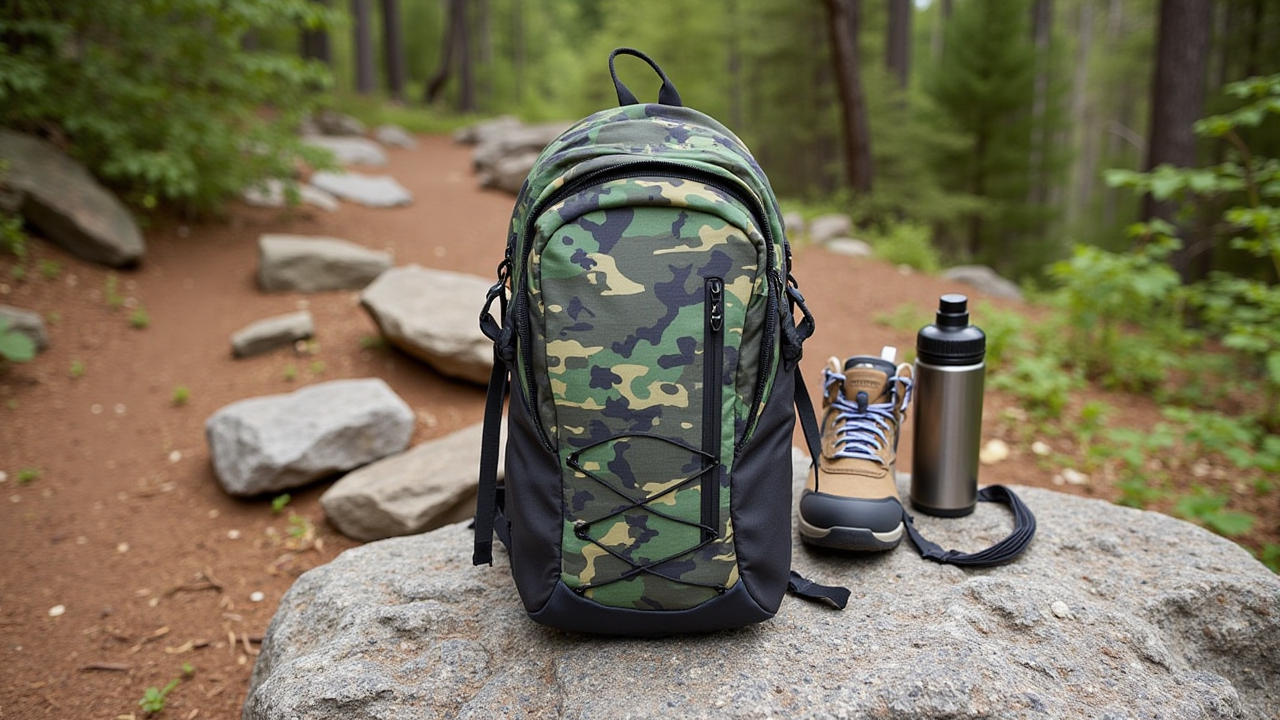
For those who view the trail not just as a path but as an environment to be efficiently navigated, the choice of gear is paramount. While full-sized packs handle multi-day expeditions, the specialized demands of day hikes, rapid urban transit, and crucial Everyday Outdoor Carry (EOC) require a more focused solution: the camouflage sling backpack. This compact, asymmetrical carrier has evolved far beyond a simple fashion statement, establishing itself as the pinnacle of quick-access convenience, strategic weight distribution, and rugged durability—especially when constructed from heritage materials like waxed canvas and genuine leather.
The Tactical Advantage: Why Choose a Sling Over a Traditional Daypack?
The traditional two-strap backpack, while foundational for load bearing, often falls short when immediate accessibility is required. Imagine needing to grab your map, a snack, or a compact camera while maintaining momentum on a steep incline. A conventional pack demands a complete stop, removal from both shoulders, searching, and re-donning.
The sling backpack eradicates this inefficiency. Designed with a single, often heavily padded cross-body strap, the pack rests securely on your back or chest. When access is needed, a swift pull allows the entire bag to rotate from the back to the front, resting across the abdomen like a shelf. This "swing-and-access" feature is invaluable for short treks, birdwatching (where quiet, quick retrieval of binoculars is essential), urban photography, or any scenario requiring instantaneous interaction with contents.
Furthermore, sling packs excel in weight distribution for smaller loads. While they are not designed to carry 30 pounds of gear, for essential items—water, first aid, navigation tools, and personal effects—the diagonal strap leverages the strength of the core and shoulder simultaneously, often feeling less cumbersome than a small, bouncing two-strap daypack. Their slim profile also makes them ideal for maneuvering through dense brush or crowded environments without snagging.
Material Mastery: The Canvas and Leather Difference
In a market saturated with synthetic nylon and polyester packs, the integration of canvas and leather elevates the camo sling backpack from a simple accessory to a piece of durable, lasting equipment. This material choice is not merely aesthetic; it is a declaration of commitment to resilience and sustainable quality.
Canvas: The Workhorse of Durability
Canvas, particularly heavy-duty, tightly woven cotton canvas (often 12 oz or heavier), offers breathability, exceptional tear resistance, and a classic, natural texture that complements any outdoor environment. For hiking applications, the gold standard is waxed canvas. The process of treating the fabric with natural waxes creates a natural barrier against moisture, transforming the material into a highly water-resistant shell.
Unlike synthetic materials that can quickly degrade under constant UV exposure or heavy abrasion, waxed canvas develops a beautiful, unique patina over time. Scratches, folds, and sun exposure become ‘character marks,’ telling the story of your adventures. This longevity ensures that the bag maintains its structural integrity through years of abuse on the trail, offering a reliable alternative to modern, mass-produced fabrics.

Leather: Reinforcement and Refinement
Genuine leather is typically employed in high-stress areas of the sling pack, such as strap anchors, zipper pulls, base panels, and reinforcement patches. Leather provides superior abrasion resistance where the bag contacts the ground or is handled frequently.
Beyond its structural benefits, leather adds an element of refined ruggedness. A sling pack utilizing brown or dark tan leather accents alongside a rich camouflage canvas pattern achieves a military-heritage aesthetic—a look that transitions effortlessly from the backcountry trail to a casual urban setting. Crucially, leather’s natural elasticity and toughness prevent common failure points associated with synthetic stitching and cheap hardware, ensuring that the bag’s most critical connections—the strap attachments—remain secure under load.
Camouflage: Utility Beyond Aesthetics
The term "camo" often conjures images of military gear, but for the outdoor enthusiast, camouflage is fundamentally about utility. In natural environments, a well-chosen pattern serves several functional purposes:
- Stealth and Observation: For wildlife photographers, birdwatchers, hunters, or nature researchers, blending into the environment minimizes disturbance, allowing for closer, more natural observation.
- Visual Noise Reduction: Even in urban or casual environments, a subtle camouflage pattern can help mask dirt, scuffs, and minor wear and tear, keeping the bag looking cleaner for longer.
- Tactical Organization: High-quality camo slings are frequently designed with a tactical ethos. This means they often incorporate features like MOLLE (Modular Lightweight Load-carrying Equipment) webbing or PALS (Pouch Attachment Ladder System). While traditional hikers may not carry tactical pouches, these webbing loops offer versatile external attachment points for carabiners, water bottle carriers, trekking pole clips, or small medical kits, significantly expanding the pack’s effective carrying capacity without adding internal bulk.
Essential Features Checklist for the Hiking Sling Pack
When selecting the perfect camo sling backpack, functionality must guide the decision. Look beyond the appealing materials and confirm the presence of these crucial hiking-specific features:
- Ergonomic Strap System: The strap must be wide (at least 3 inches) and heavily padded, preferably with breathable air-mesh material against the body. Crucially, the strap should be reversible or ambidextrous, allowing the user to switch the bag between the left and right shoulder to prevent fatigue during long treks.
- Structured Back Panel: A well-designed sling pack incorporates a semi-rigid or padded back panel to maintain the bag’s shape, preventing contents from poking the user. Airflow channels or mesh panels are vital to reduce perspiration buildup where the pack meets the back.
- Intelligent Compartmentalization: A good sling pack balances size with organization. Look for multiple zippered pockets, including a dedicated main compartment, a quick-access front pocket for smaller items (keys, phone), and ideally, a hidden or zippered pocket against the back panel for securing valuables (wallet, passport).
- Compression Straps: Even on a small pack, external compression straps are important. They allow the user to cinch down the load when the bag isn’t full, keeping contents secure and minimizing movement, which improves stability during active movement.
- Hydration Compatibility: While a full bladder system might be overkill for a sling, look for an external water bottle pocket or a dedicated internal sleeve capable of holding a small hydration reservoir (1-1.5 liters).
Versatility in Use Cases
The camo sling backpack shines brightest when its compact nature is matched to the specific demands of the activity:
- Fast-and-Light Day Hikes: Carrying only the Ten Essentials (navigation, sun protection, insulation, illumination, first-aid, fire, repair kit, nutrition, hydration, shelter) in a streamlined fashion.
- Urban EDC and Commuting: Providing a secure, non-bulky solution for laptops (up to 13 inches in some models), tablets, and documents while maintaining the rugged, tactical aesthetic. The sling allows for quick access to subway passes or keys without setting the bag down.
- Bushcraft and Foraging: Ideal for carrying field guides, small tools, and collected materials, keeping hands free for work. The camo pattern helps the user remain inconspicuous while working close to nature.
- Adventure Travel: Functions perfectly as a personal item or secondary bag, keeping travel documents and high-value electronics secure and immediately accessible during airport transits or foreign excursions.
The CanvasBag.co Standard: A Synthesis of Form and Function
For those seeking a model that encapsulates this blend of tactical utility and classic materials, the Brown Camo Sling Backpack from CanvasBag.co serves as an excellent benchmark. This particular model typically leans into a military-inspired design, utilizing heavy canvas for the primary body, complemented by robust leather reinforcements on key stress points. Its design ethos prioritizes rugged functionality without the overly technical look of purely synthetic packs. It is built to carry survival essentials, small electronics, and personal gear, offering the perfect equilibrium for hikers who demand durability and a distinctive, timeless style.
Choosing the right camo sling backpack for hiking is a decision that impacts not just comfort, but efficiency and preparedness. By prioritizing packs constructed from enduring materials like waxed canvas and durable leather, hikers invest in gear that will withstand the rigors of the trail while providing unparalleled quick-access convenience. This marriage of classic craftsmanship and modern tactical design ensures that you are equipped to face both the forest trail and the urban jungle with confidence and style.
Ready to elevate your everyday carry and trail functionality? Explore the unique combination of heritage materials and tactical design in the premium selection of sling packs available today.