

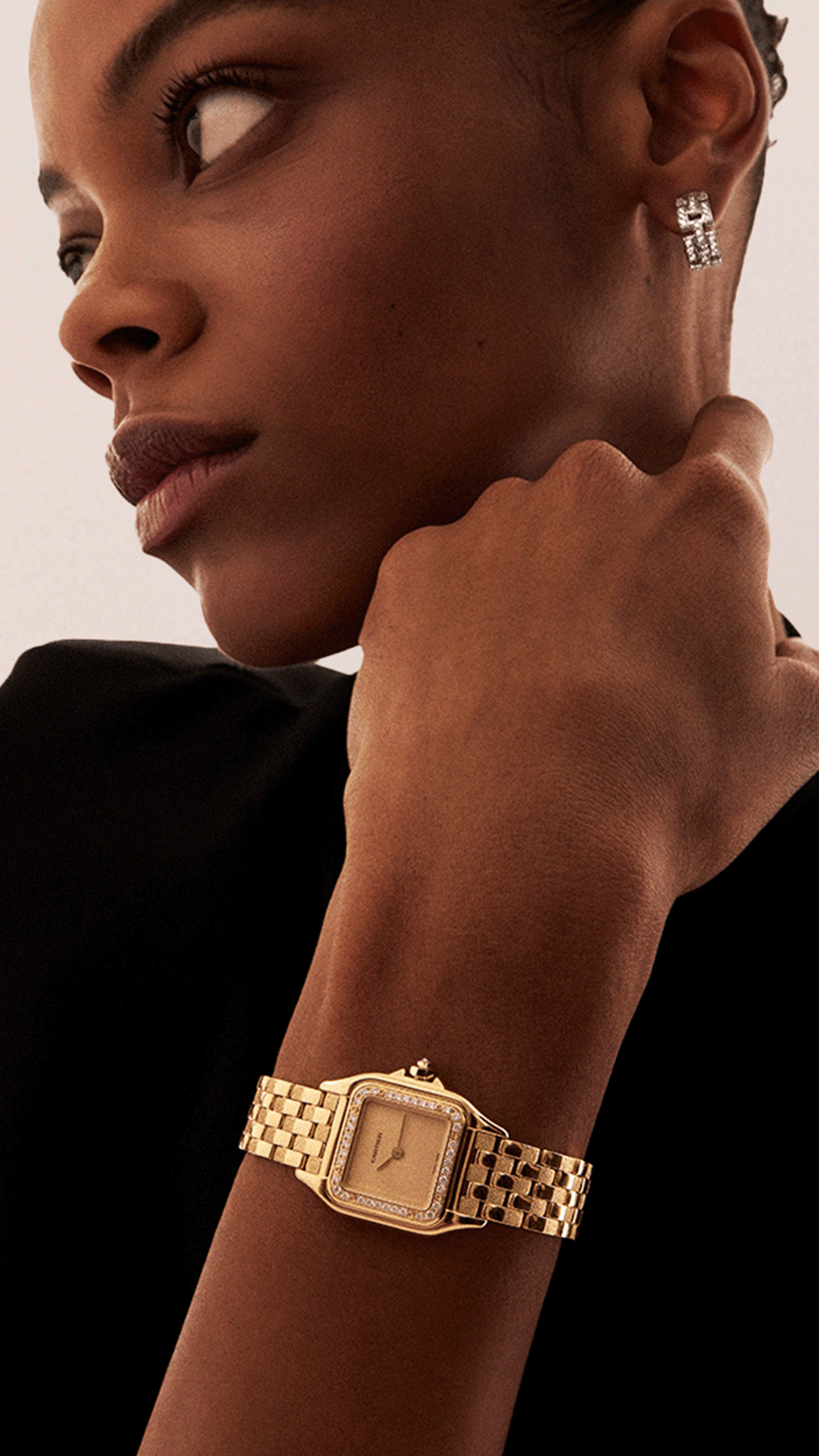
Luxury conglomerate Richemont, SA, has concluded the final quarter of fiscal year 2025 with resounding success, posting an impressive 11% surge in overall sales at constant exchange rates, as detailed in their January 15, 2026 press release. This robust performance underscores a significant, sustained trend within the high-end consumer market: a decisive pivot away from ephemeral fashion accessories toward tangible, investment-grade jewelry. The true engine of this growth was Richemont’s Jewelry Maisons—including the venerable Cartier and Van Cleef & Arpels, alongside Buccellati and Vhernier—which delivered an exceptional 14% increase in sales, managing this feat despite facing particularly strong year-over-year comparisons.
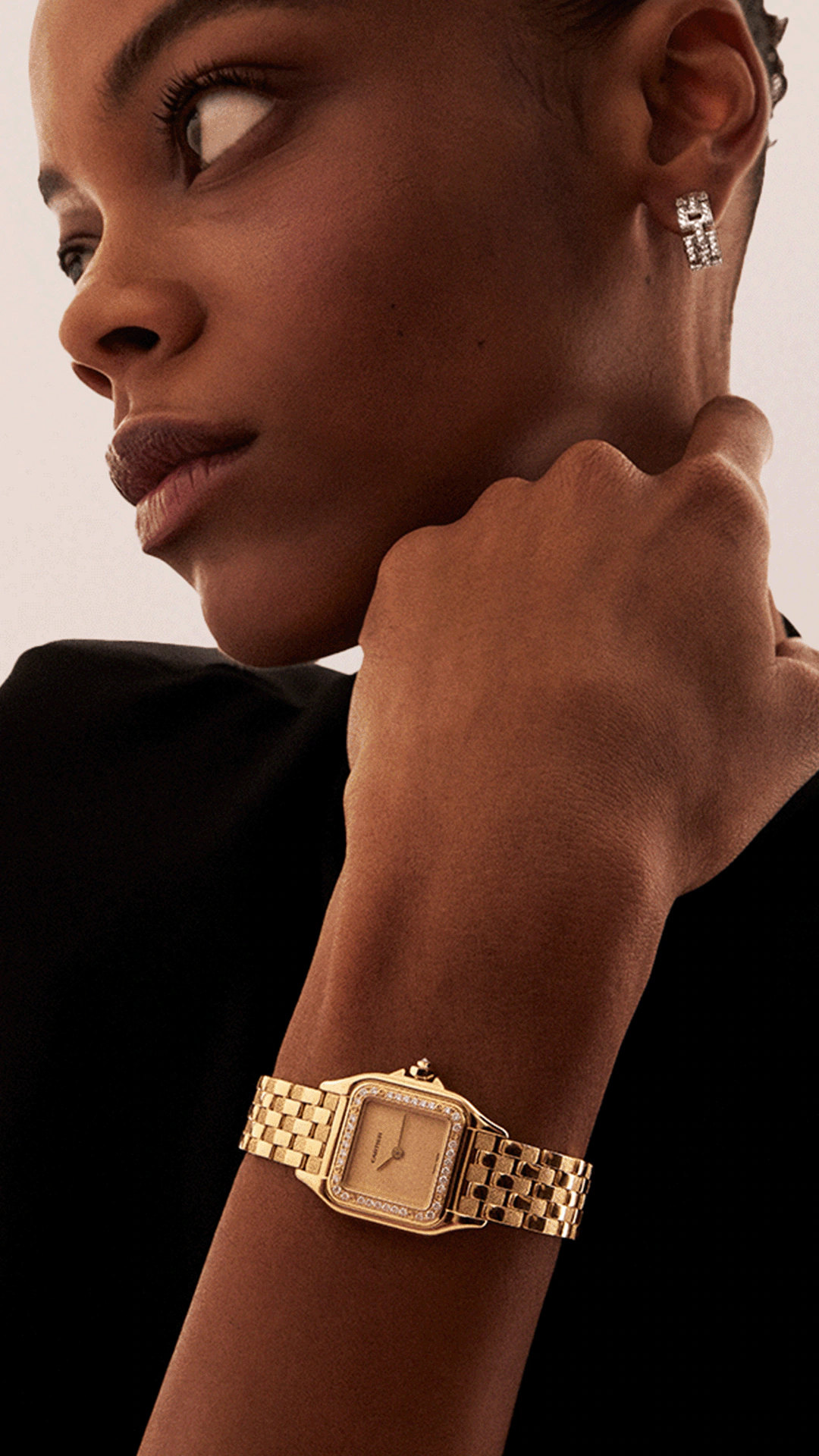
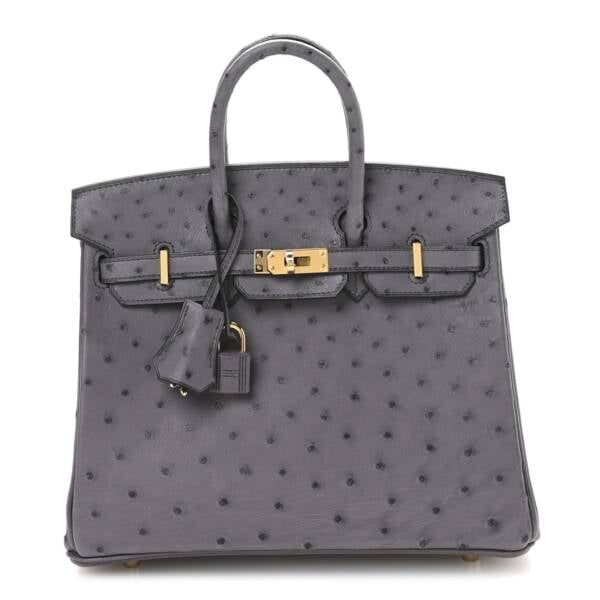
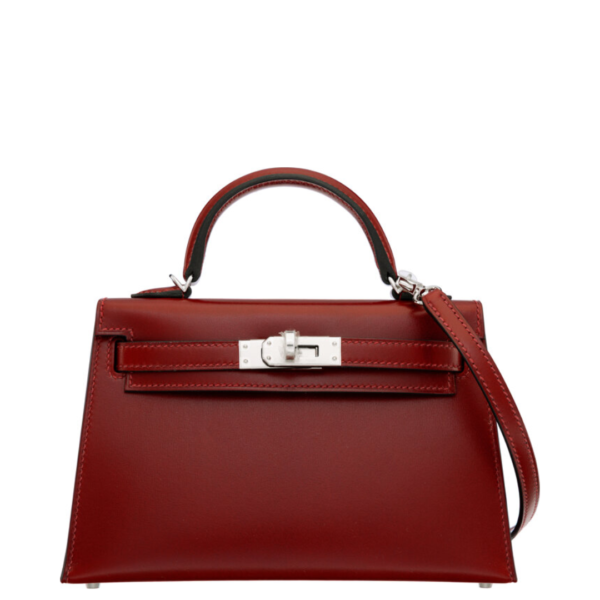
This financial outcome confirms an evolving consumer psychology observed throughout late 2025. Discerning luxury buyers are increasingly prioritizing hard assets over items susceptible to fleeting trends or rapid depreciation. While the allure of a newly released "It-Bag" remains potent for some, the intrinsic, enduring value proposition of precious metals and certified gemstones has become the dominant consideration for major luxury expenditures. This preference is further amplified by the stratospheric and continuous price inflation seen in the handbag sector, which has begun to cause hesitation, even among the most dedicated collectors, leading to temporary purchasing pauses. Consequently, jewelry—particularly iconic pieces from houses like Cartier and Van Cleef & Arpels—emerged as the preferred vehicle for holiday gifting and personal investment. The scarcity surrounding sought-after collections from these jewelers was palpable, with many signature items reportedly sold out well in advance of the holiday season, creating a secondary market buzz that further cemented their desirability. Data suggests that nearly three-quarters of these high-value jewelry transactions were finalized through established, controlled retail environments, highlighting the consumer’s desire for authenticated, in-person luxury experiences.

Geographically, Richemont’s expansion was fueled by powerhouse regions demonstrating significant appetite for high jewelry. The Americas led the charge with a stellar 14% sales growth, closely followed by Japan’s robust 17% increase. Perhaps most dynamically, the Middle East and Africa region saw an exceptional 20% expansion. Even in Europe, which has navigated slower post-pandemic recovery in certain segments, sales grew by a respectable 8%. Richemont attributed this European success in part to a resurgence in high-value tourist spending, specifically noting significant contributions from affluent clientele traveling from North America and the Middle East. Meanwhile, the Asia Pacific segment registered solid, albeit single-digit, growth.

While the Jewelry Maisons account for roughly two-thirds of Richemont’s total revenue and dictate the conglomerate’s narrative, the performance of other divisions merits attention. The Special Watchmakers segment, home to brands like A. Lange & Söhne and Jaeger-LeCoultre, also exhibited healthy expansion, reporting a 7% overall sales increase. The Fashion & Accessories division, which includes brands like Chloé and Dunhill, saw a more modest 3% rise, further illustrating the broader industry momentum favoring hard luxury over soft goods.

The critical question now facing the luxury landscape revolves around the sustainability of this jewelry boom, especially as price adjustments continue to cascade through the market. The intrinsic cost of raw materials—gold, platinum, and high-grade diamonds—combined with escalating demand and the prestige pricing strategies employed by heritage brands, necessitates frequent recalibration of retail prices. In 2025 alone, Cartier implemented two significant price increases across its popular U.S. collections, while Van Cleef & Arpels executed one major hike. Remarkably, these increases have, thus far, failed to dampen consumer enthusiasm or slow the velocity of purchases for their most iconic lines.
This sustained resilience suggests that for a specific tier of clientele, these assets are viewed less as discretionary luxury purchases and more as necessary hedges against inflation and tangible stores of wealth. However, the luxury industry operates on a delicate balance. Analysts remain watchful to determine the upper threshold of acceptable price increases. At what point do even the most loyal patrons pause, re-evaluate their spending velocity, or seek alternatives? The historical precedent set by the handbag market suggests that while brand cachet can absorb substantial increases, there is an eventual tipping point where price-to-value perception shifts for the mass affluent.
The dominance of physical retail channels in driving jewelry sales further suggests that the tactile, exclusive experience of purchasing a multi-thousand-dollar piece of jewelry remains paramount. Unlike digital-first handbag drops, high jewelry purchases often require consultation, authentication, and the ceremonial presentation inherent in boutique settings, reinforcing the importance of Richemont’s flagship locations in global luxury hubs.
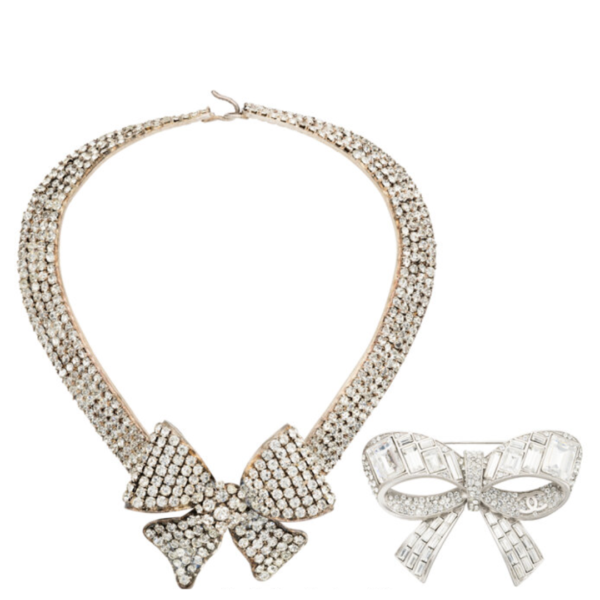
Looking ahead to the first half of 2026, the success of Richemont will be intrinsically linked to the perceived investment quality of its jewelry portfolio. If Cartier and Van Cleef & Arpels can maintain their aura of scarcity and continue to demonstrate reliable value appreciation, they are poised to cement jewelry’s position not just as a trend, but as the primary pillar of luxury consumption, definitively displacing the "It-Bag" from its former central status. The market is currently betting on enduring brilliance over transient trendiness.
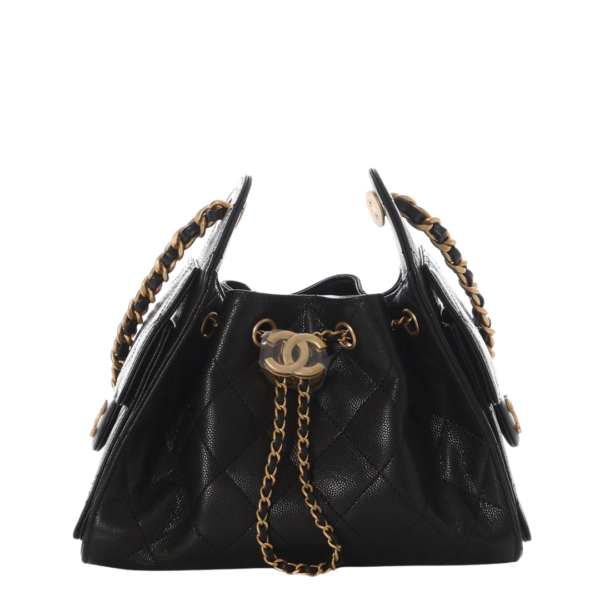
The industry now awaits the next round of quarterly reports, with all eyes focused on whether the momentum of hard luxury can withstand potential economic headwinds and the inevitable erosion of purchasing power as high-jewelry prices continue their ascent. Consumers must now decide if they are willing to continue absorbing the rising cost of irreplaceable artistry, or if the jewelry cabinet, too, will eventually reach its saturation point.