

The global packaging industry is currently standing at a pivotal crossroads, caught between the urgent demands of environmental stewardship and the logistical necessities of modern commerce. As the sector seeks a path forward, the World Packaging Organisation (WPO) has once again turned its spotlight toward the future, announcing the results of the 2026 WorldStar Student Awards. This prestigious international competition serves as a barometer for the next generation’s ingenuity, highlighting the creative minds who will soon be tasked with solving the world’s most pressing waste and distribution challenges. This year’s edition saw a remarkable influx of talent, with 246 entries representing 90 educational institutions across 23 different countries, signaling a robust and diverse pipeline of talent entering the professional sphere.
The WorldStar Student Awards are not merely a showcase of conceptual art; they are a rigorous test of functional viability and market-ready innovation. To even qualify for the international stage, every submission must have already secured a victory in a local or national student packaging competition. For students in regions without established awards programs, the barrier to entry is equally high, requiring a formal endorsement from a local WPO member or recognized association. This tiered system ensures that the 246 projects reviewed this year represent the absolute pinnacle of global student achievement. The participants spanned the academic spectrum, from undergraduate sophomores to those completing their master’s degrees, bringing together a rich tapestry of disciplines including Industrial Design, Packaging Engineering, Food Science, Graphic Design, and Global Business Studies.
A defining characteristic of the 2026 competition was the rise of the multi-disciplinary team. In years past, packaging design was often viewed through a singular lens—either as an aesthetic exercise for graphic artists or a technical challenge for engineers. However, the current crop of winners demonstrates a shift toward holistic collaboration. Several of the most successful entries were the result of partnerships between design students and food scientists, or engineers working alongside marketing majors. This collaborative approach mirrors the reality of the modern corporate world, where a successful product must be visually appealing, technically sound, and economically viable while adhering to increasingly strict environmental regulations.
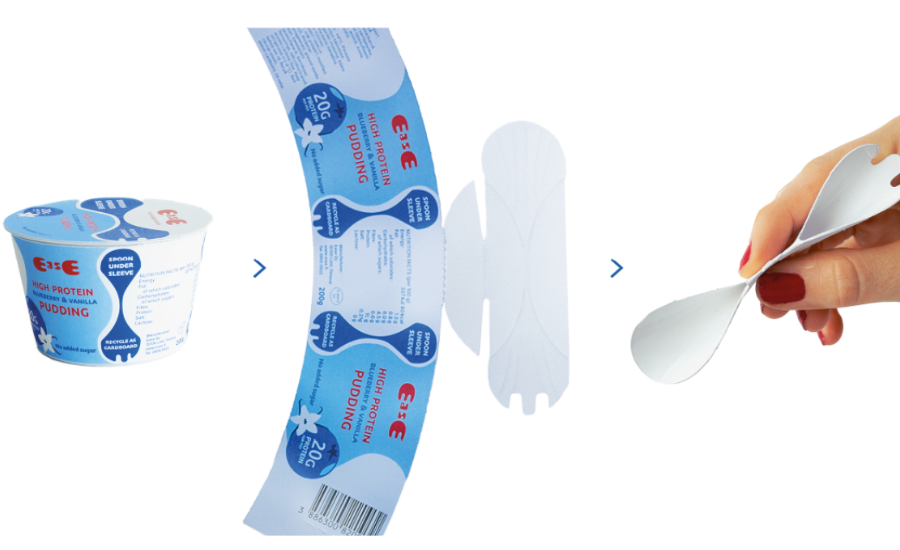
Taking home the most coveted prize of the year was Ella Salminen from Finland, who was awarded the overall Gold trophy for her groundbreaking project titled ‘Ease’. Her work addresses one of the most pervasive issues in the convenience food sector: the environmental toll of single-use plastic utensils. Salminen’s ‘Ease’ project offers an elegant, low-tech solution to a high-volume waste problem by cleverly integrating a foldable cardboard utensil directly into the packaging label. By utilizing the existing real estate of the label, Salminen eliminates the need for extra plastic wrapping and reduces the overall material footprint of the product. The judges lauded ‘Ease’ for its "clever simplicity," noting that it bridges the gap between consumer convenience and circular economy principles without requiring a massive overhaul of existing manufacturing infrastructure.
The evaluation process for such diverse entries was handled by an international panel of 43 judges, representing 31 countries. These professionals, ranging from veteran packaging engineers to sustainability consultants, scrutinized each project through a multifaceted lens. The core themes that emerged as winning criteria this year were sustainability, design for circularity, ease of use, and effective on-pack communication. In an era where consumers are increasingly skeptical of "greenwashing," the 2026 winners stood out for their ability to provide transparent, engaging, and genuinely sustainable solutions. The judges looked for designs that considered the entire lifecycle of the package—from the sourcing of raw materials to the ease of recycling or composting at the end of the product’s life.
Sustainability was not just a buzzword in this year’s competition; it was the foundational requirement. Many of the 30 trophies awarded across five market categories and four special awards focused on the reduction of virgin plastics and the adoption of mono-material designs that simplify the recycling stream. Beyond the material science, there was a heavy emphasis on "Design for All," ensuring that packaging is accessible to elderly populations and those with limited dexterity. This focus on "ease of use" highlights a growing awareness that sustainability and accessibility must go hand-in-hand to be truly effective in a global market.
Luciana Pellegrino, the President of the WPO, emphasized the vital importance of these awards in fostering a culture of innovation. According to Pellegrino, the value of student contributions lies in their "fresh eyes," which are unburdened by the institutional inertia or the "limitations of daily business" that can often stifle creativity in established firms. She noted that student projects often serve as a provocation to the industry, pushing professionals to rethink standard practices and embrace more radical shifts in technology and sustainability. "These students will be the professionals of the future," Pellegrino remarked, "and we need to encourage them that it is possible to make a difference and enhance packaging’s positive impact in modern life."
The administrative and organizational weight of the WorldStar Student Awards was carried by Bill Marshall, representing the Institute of Packaging South Africa (IPSA). Marshall pointed out that the competition serves as a bridge between academia and the professional world. For a student, receiving a WorldStar Certificate is more than just a momentary accolade; it is a significant enhancement to their professional resume. In a competitive job market, having a global stamp of approval from the WPO can be the deciding factor for hiring managers at major multinational corporations. Marshall highlighted that the competition allows students to experience the "unique blend of materials, technology, design, and marketing" that defines a career in packaging—a field that is often overlooked by students until they realize the immense scale of its impact on global trade and environmental health.
The 2026 awards also showcased a geographical shift in packaging leadership. While traditional hubs of design excellence in Europe and North America remained strong, there was a noticeable surge in high-quality entries from emerging markets in Asia and Africa. This geographic diversity brings a wider range of cultural perspectives to the table, particularly regarding how packaging can solve local food security issues by extending shelf life or reducing spoilage in regions with less-developed cold chain infrastructures. The 30 trophies awarded this year represent a truly global consensus on what constitutes "excellence" in the modern age.
As the industry looks toward the next decade, the influence of the WorldStar Student Awards will likely be felt in the aisles of supermarkets and the shipping containers of global logistics. The concepts presented by Ella Salminen and her peers are not just academic exercises; they are the blueprints for a more sustainable, efficient, and user-friendly world. By rewarding those who dare to rethink the most basic elements of our daily lives—like a utensil attached to a label—the WPO is ensuring that the packaging industry remains a leader in the global transition toward a circular economy.
The full list of winners and their innovative projects can be explored on the official WorldStar Student website. These entries provide a fascinating glimpse into a future where packaging is no longer seen as "waste" but as a sophisticated tool for communication, protection, and environmental preservation. For educational institutions, the success of their students in this arena remains a mark of prestige, proving that their curricula are evolving to meet the complex demands of the 21st century. As the 2026 cycle concludes, the WPO and its partners are already looking forward to the next wave of innovators who will undoubtedly continue to push the boundaries of what packaging can achieve.