

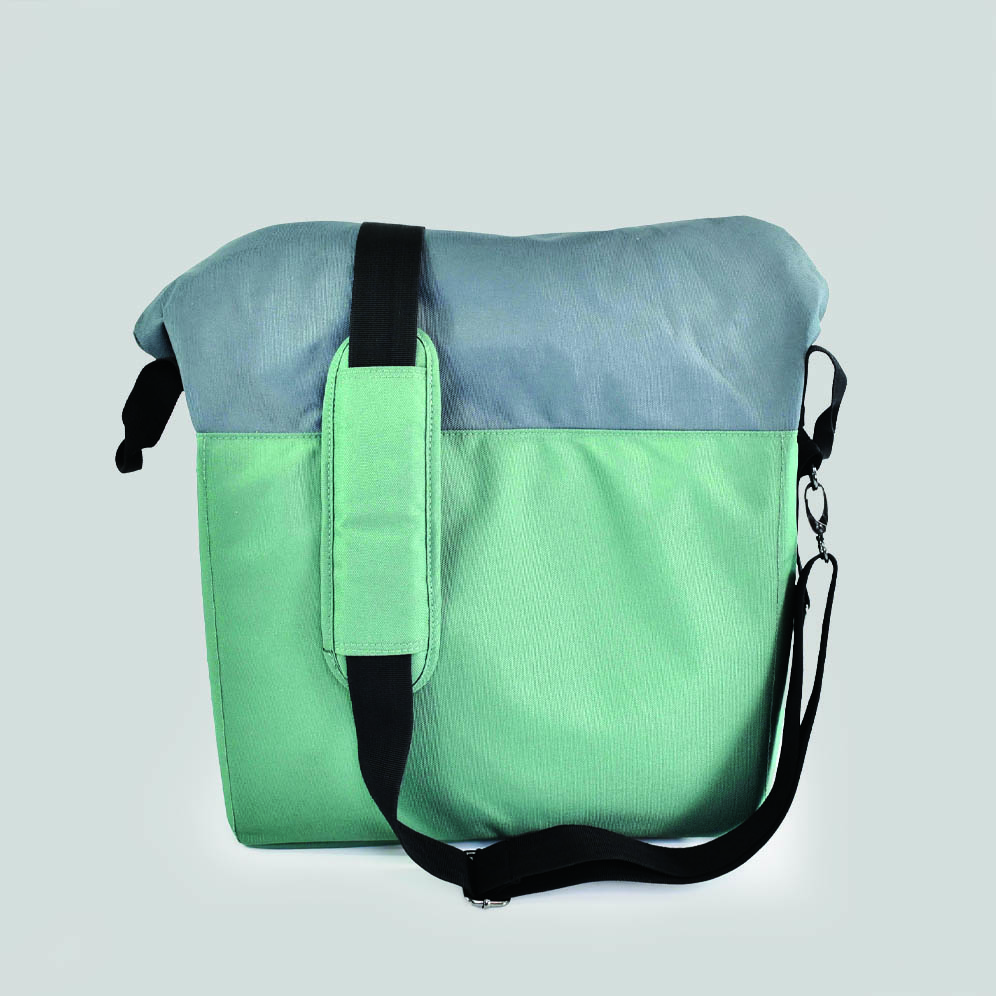
The modern consumer landscape is increasingly defined by the intersection of utility and lifestyle. No longer is a promotional item judged solely by its aesthetic appeal; today’s audience demands high-performance functionality that fits seamlessly into their daily routines. Within this shift, thermal bags have emerged as a powerhouse of brand engagement. Imagine the psychological impact of a brand that provides the solution to a sweltering afternoon—a perfectly chilled beverage—or the comfort of a hot meal during a winter commute. This is the sensory power of thermal fabrics. By integrating sophisticated insulation technology into custom-branded carriers, businesses move beyond simple "swag" and into the realm of high-utility assets that command long-term retention and positive brand association. To truly harness this potential, one must understand the intricate science, the diverse material options, and the bespoke manufacturing processes that transform a simple tote into a mobile temperature-controlled environment.
At the heart of every high-performance cooler or thermal bag lies the fundamental principles of thermodynamics. To keep items hot or cold, a bag must successfully combat three methods of heat transfer: conduction, convection, and radiation. Conduction occurs when heat moves through solid materials; thermal bags mitigate this by using low-conductivity materials like expanded polyethylene (EPE) foam. Convection involves the movement of heat through air or liquid; this is countered by creating airtight seals and using dense insulation that traps air in microscopic pockets, preventing it from circulating. Finally, radiation is the transfer of heat through electromagnetic waves, such as sunlight. This is why the iconic "silver" lining is so prevalent; these reflective surfaces, often made of aluminized polyester (Mylar), bounce radiant heat back toward its source rather than allowing it to penetrate the bag’s interior. The synergy of these three mechanisms determines the "R-value" or thermal resistance of the bag, which is the metric of its efficiency.
When selecting thermal fabrics for a custom project, the choice of materials is the most critical decision in the design phase. The standard architecture of a thermal bag consists of a "triple-layer" system. The outer shell serves as the first line of defense and the primary canvas for branding. While traditional polyester and nylon remain popular for their durability and water resistance, there is a growing trend toward heavy-duty canvas for a premium "heritage" look, or rPET (recycled polyethylene terephthalate) for brands prioritizing sustainability. The middle layer is the insulation engine, usually comprised of EPE foam. The thickness of this foam—ranging from a standard 3mm to a heavy-duty 8mm or more—directly correlates to the bag’s ability to maintain temperature over extended periods. For high-end applications, closed-cell foam is preferred as it does not absorb moisture and maintains its structural integrity under pressure.
The innermost layer, the lining, is where food safety and hygiene come to the forefront. Traditionally, PVC (polyvinyl chloride) was the industry standard due to its waterproof nature and ease of cleaning. However, modern brands are increasingly pivoting toward PEVA (polyethylene vinyl acetate), which is a non-chlorinated, phthalate-free, and eco-friendly alternative that offers the same "wipe-clean" convenience without the environmental baggage. For bags intended for heavy-duty professional use, such as food delivery or medical transport, heat-sealed or "leak-proof" linings are essential. Unlike stitched seams, which can allow liquids to seep into the insulation layer, heat-sealed seams use high-frequency welding to create a monolithic, waterproof barrier, ensuring that spills are contained and the bag remains hygienic and odor-free over years of use.
The versatility of thermal bags allows them to transcend the traditional "picnic cooler" archetype. In the corporate world, sleek, insulated laptop sleeves are being developed to protect sensitive electronics from extreme temperature fluctuations during travel. In the pharmaceutical and wellness sectors, small, discreet thermal pouches are vital for customers who must carry temperature-sensitive medications like insulin. Even the fashion industry has embraced thermal fabrics, with "lunch-clutches" and insulated wine totes appearing on runways and in high-end retail. For the promotional market, this means a brand can tailor its product to a specific lifestyle niche. A fitness brand might opt for a thermal gallon-jug carrier, while a luxury real estate firm might gift a high-end, insulated hamper for outdoor concerts. The goal is to provide a tool that becomes indispensable to the recipient’s specific hobbies or needs.
Customization is where the technical prowess of thermal bags meets the creative vision of a brand. Because thermal bags are often constructed from robust, multi-layered materials, they offer a sturdy substrate for various decoration techniques. Screen printing remains the go-to for bold, high-contrast logos, but for brands seeking a more tactile, premium feel, embroidery offers a level of sophistication that printed items cannot match. When employing embroidery on thermal bags, expert manufacturers must ensure the needles do not compromise the insulation’s integrity; often, the embroidery is applied to the outer shell before the bag is fully assembled. For complex, multi-colored designs or photographic imagery, digital sublimation or heat-transfer printing allows for vibrant, full-surface coverage, turning the entire bag into a 360-degree billboard.
Beyond the fabric itself, the "hardware" of a custom thermal bag speaks volumes about its quality. A bag is only as good as its closure; if cool air can escape through a cheap zipper, the insulation becomes moot. High-quality YKK zippers, or even water-resistant "dry-zips," are often specified for premium projects. Added features like adjustable, padded shoulder straps, ergonomic handles, and external mesh pockets for non-thermal items (like napkins or keys) enhance the user experience. Small details, such as custom-molded silicone zipper pulls or woven brand labels, provide those "finishing touches" that signal to the consumer that the brand values quality and attention to detail.
In the current global climate, sustainability is no longer an optional "extra"—it is a core requirement for many consumers. The Bag Workshop has responded to this by offering a wide array of eco-conscious thermal solutions. This includes utilizing fabrics made from ocean-bound plastics and exploring biodegradable insulation alternatives. Furthermore, the longevity of a thermal bag is a sustainability feature in itself. By creating a durable, high-utility product that lasts for years, brands help reduce the reliance on single-use plastics and disposable coolers, aligning their marketing efforts with the principles of a circular economy.
The manufacturing process for these sophisticated items requires a global perspective and a commitment to ethical standards. The Bag Workshop utilizes a network of audited facilities across the UK, India, and the Far East to balance cost-effectiveness with artisan quality. These factories undergo rigorous social and environmental audits, such as SEDEX or BSCI, ensuring that every bag is produced under fair labor conditions. This transparency is vital for modern brands who must answer to increasingly scrutinized supply chains. From the initial design consultation to the final logistics of international shipping, the process is engineered to be seamless.
Ultimately, a custom thermal bag is a physical manifestation of a brand’s promise to its customers. It says, "We understand your needs, we value your comfort, and we provide solutions that last." Whether it is a rugged backpack cooler designed for mountain trails or a sophisticated insulated tote for a city commute, the power of thermal fabrics lies in their ability to solve a universal problem: the battle against the elements. By partnering with experts who understand the nuances of textile science and bespoke manufacturing, businesses can create a promotional asset that doesn’t just sit in a drawer but becomes a constant, cooling (or warming) companion in the lives of their audience. The investment in high-quality thermal materials is, therefore, an investment in the longevity and perceived value of the brand itself. As we look toward the future of promotional marketing, the integration of such high-performance textiles will continue to be the benchmark for brands that wish to stay relevant, useful, and "cool" in a competitive marketplace.