

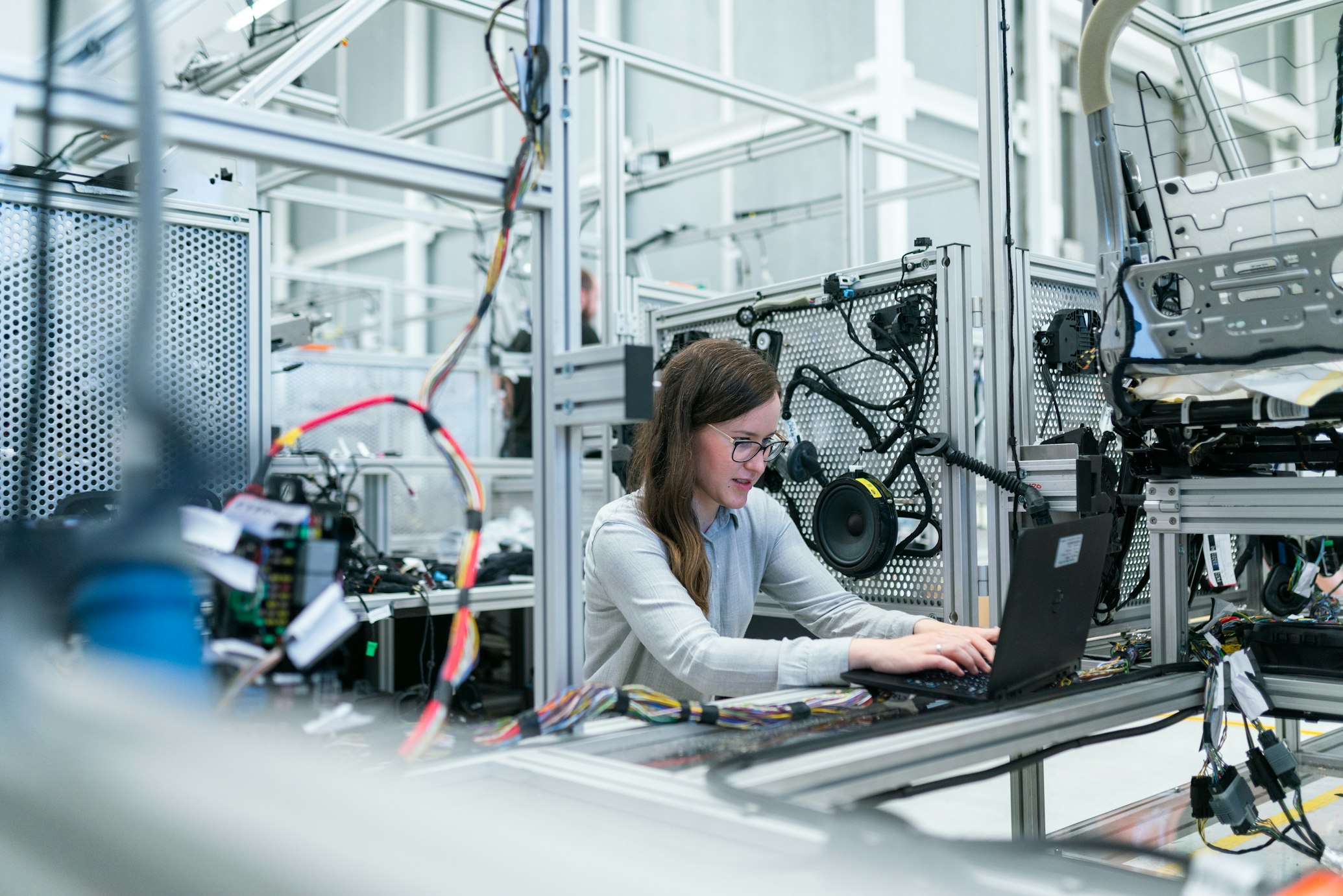
Introduction: The Evolving Industrial Landscape
The industrial sector is undergoing a profound transformation. Driven by technological advancements, shifting market demands, and global competition, modern industrial environments are becoming increasingly complex and dynamic. In this context, the ability to adapt and respond quickly to change, or flexibility, is no longer a luxury but a necessity for survival and success.
The Rise of Agile Manufacturing
One of the key drivers of the need for flexibility is the rise of agile manufacturing. This approach prioritizes responsiveness, efficiency, and the ability to quickly reconfigure production processes. Agile manufacturing allows companies to handle shorter product lifecycles, customized orders, and fluctuating demand more effectively. This necessitates flexible machinery, adaptable workflows, and a workforce capable of handling diverse tasks.
Technological Advancements and Flexibility
Technological advancements, such as automation, robotics, and the Internet of Things (IoT), are playing a pivotal role in enabling flexibility. Automated systems can be reprogrammed quickly to perform different tasks, robots can be redeployed to new workstations, and IoT provides real-time data that can be used to optimize production processes and respond to changes in demand. These technologies empower manufacturers to be more adaptable.
Benefits of Flexibility: Enhanced Efficiency
One of the primary benefits of flexibility is enhanced efficiency. Flexible systems can be optimized to minimize downtime, reduce waste, and improve overall productivity. By quickly adapting to changing requirements, manufacturers can avoid costly delays and ensure that resources are used effectively.
Benefits of Flexibility: Improved Quality
Flexibility also contributes to improved product quality. Adaptable manufacturing processes allow for tighter control over production parameters, leading to more consistent and reliable results. Furthermore, the ability to quickly implement changes based on feedback from customers or quality control systems helps to minimize defects and enhance overall product quality.
Benefits of Flexibility: Cost Reduction
Flexible manufacturing systems can significantly reduce costs. By optimizing resource utilization, minimizing waste, and streamlining production processes, manufacturers can achieve substantial savings. Furthermore, the ability to quickly adapt to changing market conditions can help to avoid costly overproduction or the need to scrap obsolete products.
Benefits of Flexibility: Increased Innovation
Flexibility fosters innovation. When manufacturers can easily adapt their processes, they are more likely to experiment with new technologies, materials, and production methods. This can lead to the development of new products, improved processes, and a competitive edge in the marketplace.
The Role of Skilled Workforce
A skilled and adaptable workforce is essential for realizing the benefits of flexibility. Employees must be trained to operate and maintain flexible systems, troubleshoot problems, and adapt to changing requirements. Cross-training and continuous learning are crucial for ensuring that the workforce is equipped to handle the demands of a dynamic industrial environment.
Importance of Data Analytics
Data analytics plays a vital role in enabling and optimizing flexible manufacturing. By collecting and analyzing real-time data from production systems, manufacturers can gain insights into their processes, identify areas for improvement, and make data-driven decisions that enhance efficiency and responsiveness. Predictive maintenance, for example, can prevent downtime.
Supply Chain Integration and Flexibility
Flexibility extends beyond the factory floor and into the supply chain. Manufacturers need to collaborate with suppliers to ensure that materials and components are readily available when needed. Implementing flexible supply chain management practices can help to mitigate disruptions, reduce lead times, and improve overall responsiveness.
Modular Design and Flexibility
Modular design, where products are built from interchangeable components, enhances flexibility. This approach allows manufacturers to quickly customize products to meet specific customer requirements. It also simplifies maintenance and upgrades, reducing downtime and extending the lifespan of products.
The Impact of Industry 4.0
Industry 4.0, characterized by the integration of digital technologies into manufacturing, is fundamentally about flexibility. The technologies associated with Industry 4.0, such as artificial intelligence, machine learning, and cloud computing, are designed to enable manufacturers to become more agile, responsive, and data-driven.
Challenges of Implementing Flexibility
Implementing flexibility in industrial environments presents some challenges. These include the need for significant investment in new technologies, the complexity of integrating different systems, and the importance of addressing cybersecurity concerns. Careful planning, strategic investment, and a commitment to continuous improvement are essential for overcoming these challenges.
Future Trends in Industrial Flexibility
The future of industrial flexibility will likely be shaped by advancements in areas such as artificial intelligence, 3D printing, and advanced robotics. These technologies will enable even greater levels of automation, customization, and responsiveness. The ongoing trend towards personalized products and on-demand manufacturing will further increase the importance of flexibility.
Conclusion: Embracing Flexibility for a Competitive Edge
In conclusion, flexibility is no longer optional in modern industrial environments; it is a critical factor for success. By embracing agile manufacturing, investing in enabling technologies, cultivating a skilled workforce, and integrating flexible supply chains, manufacturers can position themselves to thrive in a dynamic and competitive global marketplace. Those who prioritize adaptability will be best equipped to navigate the challenges and seize the opportunities of the future.