

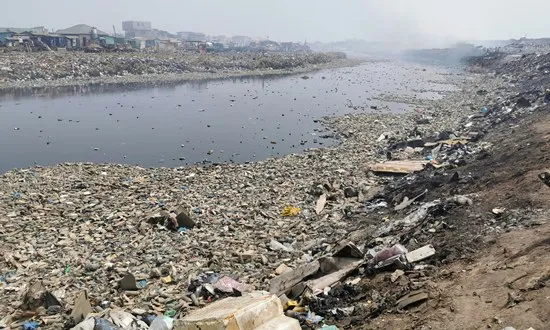
A comprehensive new global initiative, the Packaging Data Hub, has released its inaugural findings, revealing a sobering reality about the state of circularity in the packaging industry: a mere 18% of plastic packaging is actually recycled in practice across 50 key global markets. These analyzed territories represent a massive 80% of total global plastic packaging waste, making the findings the most extensive and representative assessment of their kind to date.
Unlike traditional reporting, which often measures recycling rates at the point of collection or entry into a facility, the Packaging Data Hub applies a stringent methodology. It strictly counts only the plastic that successfully emerges from the entire recycling process as usable secondary raw material, factoring in and discounting the inevitable losses that occur during collection, sorting, and processing. This rigorous accounting explains why the platform’s figures sit noticeably lower than many official regional statistics, offering a much more accurate depiction of operational circularity.
The initiative is designed to tackle a notoriously fragmented landscape characterized by incomplete data, non-standardized reporting metrics, and regional discrepancies. By synthesizing information from more than 100 public and proprietary sources—bolstered by vital data-sharing partnerships with materials recovery facilities, recyclers, and producer responsibility organizations—the Hub provides a centralized, transparent resource. The platform maps out 12 distinct plastic packaging formats, allowing users to seamlessly search, compare, and download detailed datasets filtered by country, format, and year. To ensure absolute transparency and accountability, every single data point provided on the platform is accompanied by explicit source attribution and a transparent confidence rating.
A Closer Look at the Flexible Packaging Crisis
One of the most concerning revelations to emerge from the data concerns flexible packaging. According to the Hub’s analytics, flexible materials—such as films, pouches, and wrappers—account for approximately 40% of all global plastic packaging waste. Yet, despite representing nearly half of the total waste stream, a dismal 10% of flexible packaging is currently recycled in practice.
The structural difficulties inherent in collecting, sorting, and reprocessing flexible plastics have long been a notorious bottleneck for the packaging industry. Because flexible formats frequently consist of multi-layered polymers or become contaminated easily in consumer streams, mechanical recycling infrastructure often struggles to process them economically.
However, the data also highlights powerful structural interventions that can alter these outcomes. The findings indicate that in low- and middle-income countries, effective policy frameworks make a dramatic difference: recycling rates are found to be approximately twice as high in regions where Extended Producer Responsibility (EPR) schemes are actively implemented and enforced. This correlation underscores the vital role that well-structured regulatory frameworks and producer accountability play in driving investment into collection and sorting infrastructure, particularly in developing economies where municipal waste systems may otherwise be underfunded.
Regional Disparities and Upcoming Mandates
Zooming in on specific geographies, the data highlights the stark climb ahead for even the most advanced regulatory regions. The European Union, often viewed as a global leader in environmental legislation, currently recycles approximately 35% of its plastic packaging. While this figure is higher than the global average of 18%, it falls drastically short of the EU’s looming legal requirements. Under the European Union’s Packaging and Packaging Waste Regulation (PPWR), member states are bound to a mandatory recycling target of 55% by 2030. The chasm between the current 35% actual recycling rate and the 2030 target emphasizes the urgent need for accelerated technological innovation, system-wide redesigns, and unprecedented capital investment in recycling infrastructure across Europe.
Industry Alignment and Strategic Oversight
Developing a universally accepted methodology for a project of this scale requires unprecedented cross-industry collaboration. The Packaging Data Hub’s framework was meticulously shaped, tested, and validated through a dedicated technical advisory board. This board featured heavyweights from across the fast-moving consumer goods (FMCG) and packaging manufacturing sectors, including Amcor, Colgate-Palmolive, Mars, Nestlé, and Unilever. By embedding major brand owners and packaging producers into the development process, the Hub ensures that its metrics reflect industrial realities while holding corporations to a verifiable standard of truth.
Furthermore, high-level strategic oversight of the initiative is governed by a prestigious Steering Committee comprising some of the most influential environmental and civic organizations in the world: the Ellen MacArthur Foundation, WWF, CDP, WRAP (Waste and Resources Action Programme), the Global Plastic Action Partnership, and The Consumer Goods Forum. The involvement of these entities grants the platform immense credibility and ensures that its overarching mission remains anchored in genuine environmental progress rather than corporate greenwashing.
A New Compass for Policymakers and Corporate Leaders
For decades, stakeholders across the packaging value chain have wrestled with a debilitating information deficit. Without reliable data on the end-of-life fate of packaging materials, corporations and lawmakers have frequently operated in the dark, risking multi-billion-dollar investments in packaging redesigns, material switches, and infrastructure projects that may ultimately yield counterproductive environmental outcomes.
Rob Opsomer, Executive Lead for Plastics at the Ellen MacArthur Foundation, emphasized the transformative
potential of the new platform during its launch. "Businesses and policymakers make packaging decisions using information that is often incomplete or hard to compare, which risks sending innovation, redesign, and infrastructure investment in the wrong direction," Opsomer stated. "The Packaging Data Hub offers a common reference point on what happens to packaging after use."
By establishing a single, highly scrutinized source of truth, the Hub eliminates ambiguity. Packaging designers can now evaluate the true circularity of mono-materials versus multi-layered alternatives with empirical backing. Policymakers can assess the real-world efficacy of legislative measures like EPR schemes or deposit-return systems using transparent, comparable metrics. Investors and financial institutions can direct capital toward sustainable technologies with a clearer understanding of where the structural bottlenecks truly lie.
As the global community races toward international agreements on plastic pollution and tighter regulatory frameworks, the introduction of the Packaging Data Hub marks a pivotal turning point. Moving past the era of vague estimations and optimistic corporate pledges, the initiative provides the hard, unvarnished data required to drive systemic change. With only 18% of plastic packaging currently meeting a truly circular fate, the platform serves as both a stark warning of the work yet to be done and an indispensable compass for navigating the path toward a sustainable future.