

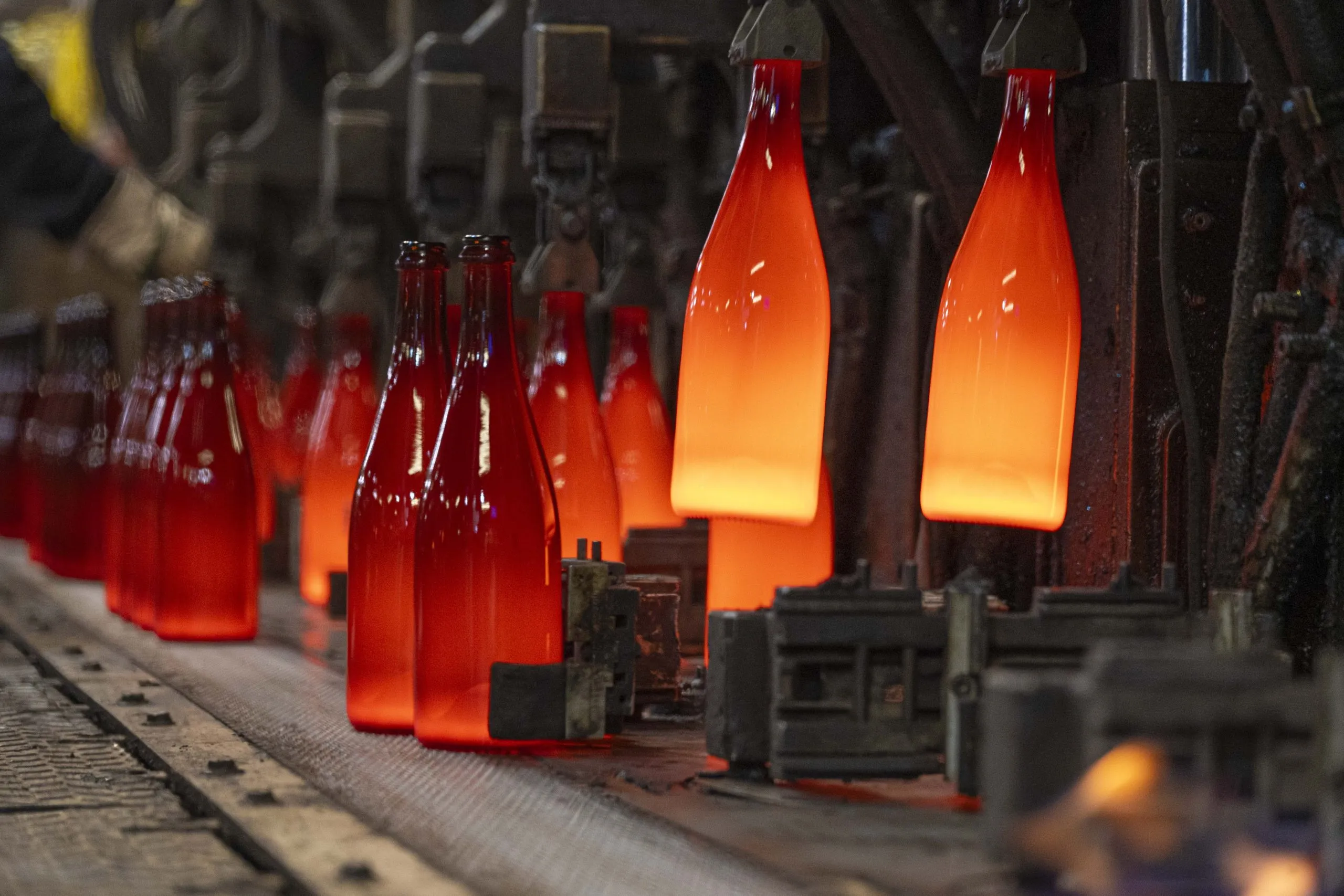
The landscape of British packaging is undergoing a profound transformation following the government’s latest announcements regarding the Extended Producer Responsibility (EPR) scheme, prompting a mixed chorus of cautious optimism and strategic warnings from industry leaders. Among the most vocal stakeholders is Croxsons, the historic and forward-thinking packaging supplier, which has broadly welcomed the impending regulatory adjustments. However, the company has concurrently issued a stern reminder to policymakers and market participants alike: while fee recalibrations and targeted exemptions offer welcome financial relief, the enduring stability of the UK food and drink sector ultimately hinges on long-term regulatory certainty and an unwavering commitment to material innovation.
At the heart of the government’s recent policy shift are two critical interventions designed to mitigate some of the market distortions introduced by early iterations of the EPR framework. Most notably, authorities have confirmed an exemption—scheduled to take effect in April 2027—for the majority of glass drinks containers that are supplied directly to licensed hospitality venues. This targeted relief directly addresses the unique operational realities of the hospitality supply chain, where reusable and highly durable glass bottles play a foundational role in serving beverages safely and sustainably.
Complementing this hospitality exemption is a planned consultation regarding a fundamental restructuring of packaging waste fees. Under these prospective guidelines, financial charges levied on infinitely recyclable materials, such as glass and paper, could experience dramatic reductions of up to 40% annually. Conversely, materials that are notoriously difficult to recycle or recover will face significantly steeper cost burdens. This anticipated reform represents a critical philosophy pivot: moving away from a blunt, weight-based penalty system toward a nuanced, lifecycle-conscious regulatory model that genuinely reflects environmental stewardship.
Tim Croxson, Chief Executive of Croxsons, views these prospective changes as a vital course correction for an industry that has spent months grappling with counterproductive market signals. “This is an important step towards addressing some of the unintended consequences of EPR,” Mr. Croxson stated, reflecting on the historical flaws of the scheme. “Environmental policy should reward better environmental choices, not simply penalise materials based on weight. Yet the system has risked pushing brands away from glass because of its mass, rather than encouraging decisions based on the full environmental impact of the packaging.”
For decades, glass has occupied a unique position in the packaging pantheon. As a material, it is 100% and infinitely recyclable without any loss of purity or quality, forming the quintessential backbone of a true circular economy. Yet, under rigid weight-focused iterations of environmental taxation, heavier sustainable materials like glass were frequently penalized in favor of lighter, fossil-fuel-derived alternatives—such as certain multi-layer plastics—that possess significantly inferior recycling profiles. By proposing up to 40% reductions in fees for highly recyclable substrates, the government is signaling a return to environmental logic, acknowledging that the carbon footprint of packaging must be evaluated across its entire lifecycle rather than simply judged on a scale.
For British food and drink producers, particularly smaller and independent enterprises operating within fiercely competitive markets, the potential financial relief could not be more timely. These businesses have weathered a relentless storm of macroeconomic pressures in recent years, spanning spiraling energy costs, fractured global supply chains, labor shortages, and rampant inflation. Squeezed from all sides, independent breweries, boutique vineyards, and artisan condiment makers have often found themselves caught between consumer demand for premium, sustainable glass packaging and the punitive regulatory costs associated with it.
Yet, Mr. Croxson is quick to caution that financial adjustments alone will not cure the systemic anxieties plaguing the manufacturing sector. “For British food and drink producers, particularly smaller independent businesses already facing significant cost pressures, these changes could provide some much-needed relief,” he observed. “However, businesses need more than lower fees—they need certainty. Packaging decisions, product development and investment are planned well in advance, and constantly changing requirements make it difficult for businesses to plan with confidence.”
In the complex world of fast-moving consumer goods (FMCG), packaging is rarely an afterthought. Bringing a new beverage or food product to market involves extensive lead times, spanning structural engineering, aesthetic design, supply chain auditing, and line-speed compatibility testing. When regulatory goalposts shift abruptly or remain shrouded in ambiguity, corporate investment freezes. Brand owners become hesitant to commit capital to long-term re-tooling or sustainable packaging transitions if they fear the financial parameters will shift unpredictably within a matter of months. Therefore, while the proposed 40% fee reduction is a welcome incentive, the overarching requirement from the commercial sector is a stable, predictable, and enduring legislative roadmap.
Beyond regulatory stability, Croxsons emphasizes that a favorable fee structure should not breed complacency within the manufacturing community. The glass industry itself must continue to innovate, adapt, and refine its practices to justify its ecological credentials in an increasingly demanding marketplace. Reducing environmental impact is not a destination, but a continuous journey of operational optimization.
“Glass doesn’t need special treatment, but it does need a level playing field that recognises its recyclability and circularity,” Mr. Croxson asserted. “Pero even if fees are reduced, the glass industry cannot afford to stand still. We have a responsibility to keep improving, whether that’s reducing unnecessary material, improving manufacturing efficiency or helping brands make more informed packaging decisions.”
This philosophy underscores a broader transformation currently sweeping through the glass packaging sector. Modern glass manufacturers are utilizing cutting-edge furnace technologies, green hydrogen blends, and electrification to drastically lower the carbon emissions associated with production. Concurrently, packaging designers are engineering lightweight glass containers that retain the strength, aesthetic appeal, and preservation qualities of traditional bottles while shedding superfluous weight. By optimizing wall thickness and maximizing the use of post-consumer recycled (PCR) cullet, the industry is actively closing the loop, proving that traditional materials can continuously evolve to meet contemporary sustainability standards.
Furthermore, supply chain collaboration is emerging as a critical vector for success. Suppliers like Croxsons are no longer acting merely as transactional vendors of glass containers; they are evolving into strategic consultants. By working in tandem with food and drink brands from the earliest conceptual stages, these packaging experts help clients navigate the labyrinth of environmental legislation, select the most appropriate substrates for their specific distribution models, and design packaging systems that minimize waste throughout the supply chain.
The hospitality exemption scheduled for April 2027 represents another crucial victory for common sense in packaging regulation. The hospitality sector—encompassing pubs, bars, restaurants, and hotels—operates within closed-loop or highly localized collection systems where glass bottles are routinely captured and segregated for efficient recycling. Penalizing the suppliers of these containers ignored the reality of how hospitality waste is managed. By carving out this specific exemption, policymakers are acknowledging the distinct operational dynamics of the on-trade market and reducing the compliance burden on brands that supply venues dedicated to immediate consumption and localized recycling streams.
Nevertheless, industry analysts note that the devil will ultimately lie in the detail of the forthcoming consultations. While the headline figures—such as potential 40% fee reductions for glass and paper—are undoubtedly encouraging, the mechanics of how these fees will be calculated, audited, and enforced must be transparent and equitable. Producers will require absolute clarity on the precise criteria that define "harder-to-recycle" versus "highly recyclable" packaging to ensure that compliance costs do not become an administrative quagmire.
As the UK moves closer to the full implementation of the EPR framework, the dialogue between government regulators and industry leaders must remain open, collaborative, and constructive. Environmental policy, at its core, should act as a supportive catalyst rather than a regulatory hurdle race. When government frameworks align with commercial realities and material science, businesses are empowered to make choices that benefit both their bottom lines and the planet.
Concluding his assessment, Mr. Croxson reiterated that the latest government announcements must serve as a foundational milestone rather than a final destination. “This announcement is a positive step,” he concluded, “but it must be the beginning of a more consistent, long-term approach. Good environmental policy should make it easier for businesses to make better environmental choices, not harder.”
As British producers digest the implications of the forthcoming EPR changes, the mandate for the packaging sector is clear. With the promise of a more equitable financial landscape on the horizon, brands can begin to look toward the future with renewed confidence—provided that policymakers maintain a steady hand, resist reactionary policy shifts, and foster a stable regulatory environment where sustainable materials like glass can compete, innovate, and thrive for generations to come.