

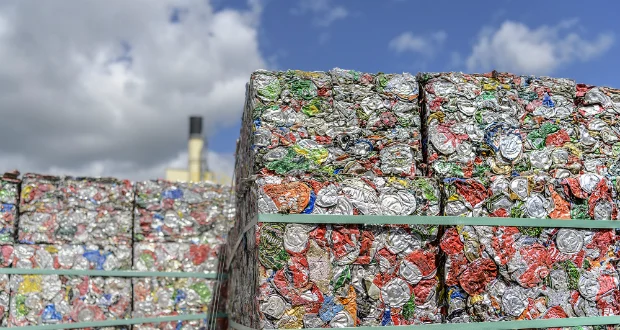
The British public has sent a clear message to Westminster: it is time for the government to take decisive action to safeguard the nation’s aluminium recycling infrastructure and secure its place within a circular economy. A comprehensive new survey, commissioned by the industry body Alupro and conducted by the reputable research firm Yonder, has revealed overwhelming cross-country support for legislative intervention aimed at retaining valuable aluminium scrap within the UK. By surveying a representative sample of 2,000 adults, the study highlights a growing national consensus that the government must do more to prioritize domestic material security over the current, often inefficient, export-heavy model.
The appetite for reform is geographically widespread. The survey data shows particularly high levels of public support in Northern Ireland, where 86% of respondents called for government intervention. This sentiment is echoed across the UK, with 81% of those polled in Wales and 75% in Scotland supporting active measures to bolster local recycling. Within England, the call for change is most pronounced in the Eastern and South-West regions, where 82% of the public believe the government should introduce policies to ensure that secondary aluminium—recycled scrap—remains accessible to British manufacturers.
At its core, this is a question of strategic autonomy. Aluminium is increasingly viewed by policymakers and economists alike as a critical material, essential for modern manufacturing and the transition to a sustainable, low-carbon future. The industry is a significant pillar of the British economy, directly supporting 108,000 full-time jobs and contributing an estimated £9.4 billion to the national GDP. Because aluminium is a "permanent material"—meaning it can be melted down and repurposed indefinitely without any degradation in quality—it is the ideal candidate for a closed-loop, circular economic system. From beverage cans to essential industrial aerosols, aluminium packaging represents a high-value resource that, when managed correctly, eliminates the need for energy-intensive primary production.
However, the UK’s current recycling landscape is being undermined by a volatile global market. International trade tensions, characterized by restrictive US tariffs and aggressive government subsidies for domestic industries in parts of Asia, have created a highly distorted global price landscape. This "uneven playing field," as described by Alupro, makes it increasingly difficult for UK-based recycling enterprises to secure the raw materials they need. When British recyclers attempt to purchase domestic waste material for processing, they are often outbid by overseas buyers who can afford to pay higher prices due to the aforementioned subsidies or lower regulatory burdens.
The consequence is a significant "material drain." Large quantities of aluminium are being shipped out of the UK for processing elsewhere, rather than being recycled within our own borders. This exodus of raw material threatens to undermine the effectiveness of domestic environmental initiatives. The UK has invested heavily in various schemes designed to increase the recovery of household waste, such as the implementation of "Simpler Recycling" policies and the highly anticipated Deposit Return Scheme (DRS). If the aluminium recovered through these expensive, taxpayer-funded initiatives is simply exported to be processed abroad, the return on investment for the UK economy is severely diminished.
The European Union has already recognized the risks associated with this global trade imbalance and has implemented regulatory measures to prevent the shipping of secondary aluminium outside the bloc, effectively prioritizing domestic circularity. Currently, the UK remains an outlier, lacking the protective framework necessary to ensure that its "waste" is treated as the valuable, strategic commodity that it truly is.
Tom Giddings, Executive Director of Alupro, argues that the public mandate revealed by the Yonder poll underscores the urgency of the situation. "This poll shows that Britons believe it is very important for the UK to make the most of its resources," Giddings stated. He pointed out a common misconception regarding the limits of recycling technology: "Whilst some types of aluminium scrap require additional processing that we currently don’t do in the UK or Europe, for packaging this isn’t true. We have a fantastic industrial recycling capacity as well as huge demand for packaging produced from secondary material."
Giddings emphasizes that the issue is not a lack of technical capability, but a lack of market alignment. The UK boasts a sophisticated industrial base capable of handling massive volumes of aluminium packaging; what it lacks is a government policy that ensures this scrap stays in the UK market. He views the upcoming implementation of the Deposit Return Scheme (DRS) as a pivotal "supercharging" opportunity. By incentivizing consumers to return drink containers, the DRS could dramatically increase the volume of high-quality aluminium scrap collected. However, he warns that this success will be hollow if those cans do not find their way back into the regional circular economy.
The potential benefits of a closed-loop system are immense. Keeping aluminium within the UK saves roughly 95% of the energy required to produce primary aluminium from bauxite ore. Furthermore, it insulates the UK manufacturing sector from the supply chain shocks and geopolitical volatility that have become the hallmark of the current global trade environment. By fostering a "homegrown" supply chain, the government could stabilize costs for British companies, secure jobs in the manufacturing and recycling sectors, and make meaningful strides toward meeting the nation’s Net Zero targets.
As the industry looks toward future policy developments, the message to Whitehall is clear: the British public understands the value of the materials they throw into their recycling bins. They expect those materials to be handled with strategic foresight rather than being treated as cheap exports for foreign markets. The challenge for the government now is to bridge the gap between public intent and industrial reality. This will likely require a suite of policy interventions, ranging from updated trade regulations that protect the domestic supply of secondary materials to fiscal incentives that reward companies for using recycled British aluminium.
"Aluminium is of huge strategic importance to the UK economy, and it’s vital that the UK Government takes action to encourage more aluminium scrap to be available for companies supplying the UK market," Giddings concluded. The industry is ready to mobilize, the public is supportive, and the economic and environmental cases have never been more compelling. The question remains whether the government will seize this opportunity to transform the UK into a leader in circular manufacturing, or whether it will continue to watch as one of its most valuable strategic assets is shipped away, year after year, to satisfy the demands of foreign competitors. As the debate continues, one thing is certain: the current status quo is becoming increasingly untenable in the eyes of both the industry and the public it serves.