
The domestic landscape is currently undergoing a silent but profound revolution, one that is visible on every laundry room shelf and beneath every kitchen sink. For decades, the household products sector—encompassing everything from heavy-duty detergents to delicate surface cleaners—was defined by rigid, single-use plastics designed for durability and cost-efficiency, often at the expense of environmental longevity. Today, however, the industry has reached a critical inflection point. Driven by a volatile mix of heightened consumer scrutiny, stringent international regulations, and corporate ESG (Environmental, Social, and Governance) mandates, the packaging of familiar household goods is being reimagined from the molecular level up. This shift is not merely cosmetic; it represents a fundamental overhaul of material science, mechanical engineering, and retail logistics.
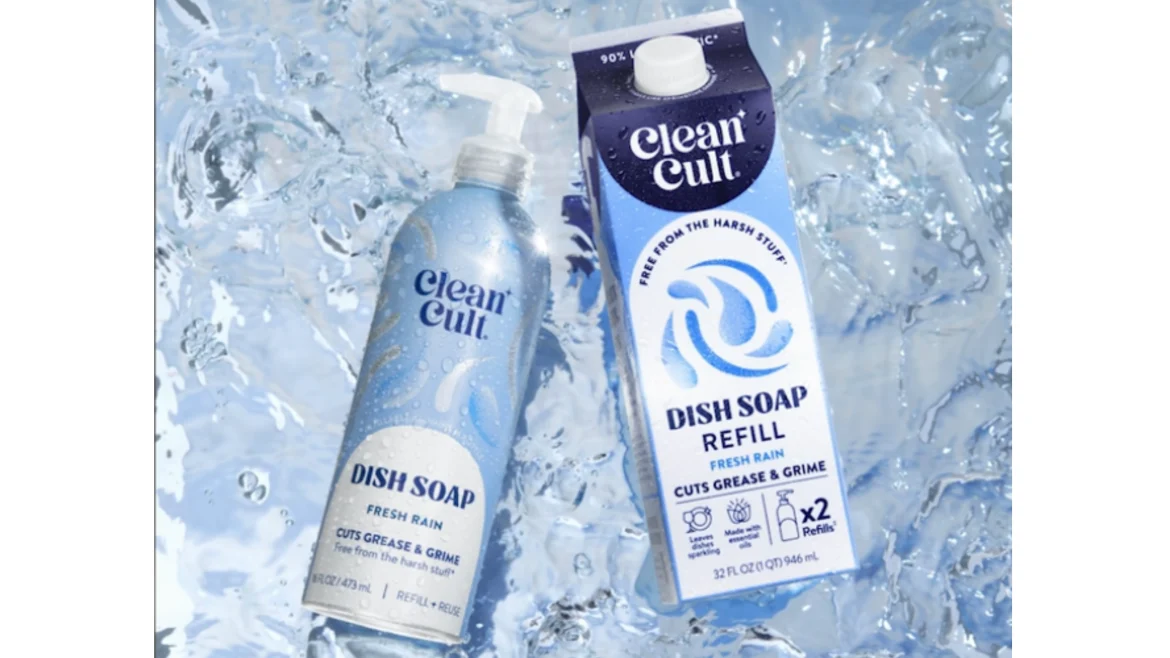
At the forefront of this movement is the transition away from traditional high-density polyethylene (HDPE) and polyethylene terephthalate (PET) bottles toward fiber-based and circular solutions. A standout pioneer in this space is Clean Cult, a brand that has effectively challenged the industry’s reliance on plastic by utilizing paper-based packaging as its primary delivery vehicle. While the "milk carton" aesthetic for liquid soap was once seen as a niche novelty, Clean Cult’s recent massive retail expansion signals that the concept has entered the mainstream. By securing nationwide distribution in retail powerhouses like Target, Costco, and Whole Foods, the company has proven that paper-based refill systems are not only viable but are actively sought after by a growing demographic of eco-conscious shoppers.

The innovation behind Clean Cult’s model lies in its "refill and reuse" philosophy. Instead of purchasing a new plastic bottle with every transaction, consumers are encouraged to maintain permanent glass dispensers and replenish them using paper-based cartons. This system significantly reduces the volume of plastic entering the waste stream and optimizes the shipping cube, as rectangular cartons can be packed more densely than rounded bottles, thereby reducing the carbon footprint associated with transportation. This year’s expansion into big-box retail serves as a litmus test for the industry, suggesting that the "refill revolution" is ready for scale.
While some brands are looking to replace plastic entirely, others are focusing on optimizing the plastic that remains, ensuring it is as lightweight and recyclable as possible. Amcor, a global titan in the packaging sector, recently unveiled a breakthrough in closure technology that highlights this dual focus on aesthetics and environmental stewardship. The company has developed a new polypropylene (PP) closure specifically for household products that strikes a delicate balance between visual branding and material reduction. In the competitive world of retail, the "shelf appeal" of a product—often determined by the shape and color of its cap or nozzle—is vital for consumer attraction. Amcor’s new design utilizes a distinctive, modern shape that captures the eye while simultaneously employing a "lightweighted" engineering approach.
Lightweighting is a critical strategy in modern packaging; by using less material to achieve the same structural integrity, manufacturers can drastically reduce the total volume of plastic produced and lower the energy required for production and shipping. Furthermore, by utilizing polypropylene, a material with well-established recycling streams, Amcor ensures that these closures can be effectively reprocessed, provided the local infrastructure supports PP recycling. This development underscores a broader trend: the move toward mono-material packaging. When a bottle and its cap are made from the same plastic family, the recycling process becomes significantly more efficient, as there is no need to separate disparate materials during the sorting phase.

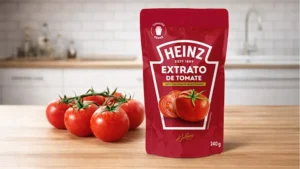
The evolution of household packaging is also being shaped by the rise of flexible formats, particularly the spouted stand-up pouch. Traditionally, liquid detergents and home care products were housed in heavy, rigid jugs. However, the collaboration between Amcor and Mediacor, a Slovenian manufacturer specializing in organic and home care products, has introduced a high-capacity alternative: a 2-liter spouted stand-up pouch. This format is particularly revolutionary for the European market, specifically in regions like Italy, Germany, and Austria, where "recycle-ready" mandates are increasingly strict.
The 2-liter pouch offers a several-fold advantage. First, it uses significantly less plastic by weight than a rigid bottle of the same volume. Second, once emptied, the pouch collapses, taking up minimal space in recycling bins and landfills compared to its rigid counterparts. The "recycle-ready" designation is the result of sophisticated laminate engineering, ensuring the pouch can be processed by existing recycling facilities without contaminating the stream. For a manufacturer like Mediacor, which focuses on organic and environmentally friendly formulations, the packaging now finally aligns with the liquid inside, providing a cohesive brand story of sustainability.
However, the most technologically advanced frontier of household packaging may lie in the integration of "circular" and "bio-circular" polymers. This is exemplified by the recent partnership between global packaging leader Elopak, the chemical giant Dow, and Orkla Home and Personal Care (OHPC). Together, these entities have rolled out a new line of D-PAK cartons that represent a masterclass in material collaboration. These cartons are not merely made of paper; they incorporate a sophisticated blend of recycled and renewable polymers.

To understand the significance of this, one must look at the source of the materials. "Circular" polymers are derived from chemically recycled plastic waste that was previously difficult to mechanically recycle, effectively turning "trash" back into virgin-quality plastic. "Bio-circular" polymers, on the other hand, are produced from renewable biological waste streams, such as used cooking oil or residues from the forestry industry, rather than from fossil fuels. By integrating these materials into the coating and closures of their D-PAK cartons, Elopak and its partners are decoupling packaging production from traditional petroleum-based feedstocks. This "mass balance" approach allows brands to gradually increase the sustainable content of their packaging without compromising the barrier properties required to keep cleaning chemicals stable and effective.
The implementation of these technologies by Orkla for its Comfort fabric softener line demonstrates how even legacy household brands are pivoting toward the circular economy. This transition is essential for meeting the European Union’s Packaging and Packaging Waste Regulation (PPWR), which sets ambitious targets for recycled content and recyclability by 2030. These collaborations between material scientists (Dow), converters (Elopak), and brand owners (Orkla) are becoming the blueprint for industrial innovation, proving that no single company can solve the plastic crisis in isolation.
As we look toward the future, the innovation in household packaging is expected to move beyond the physical container and into the digital realm. Smart packaging, featuring QR codes that provide consumers with localized recycling instructions or details on the product’s carbon footprint, is becoming more prevalent. Additionally, the industry is exploring ultra-concentrated formulas—small "pods" or "strips" that require minimal packaging and allow consumers to add their own water at home. This shift effectively "de-waters" the supply chain, removing the heavy weight of water from the shipping process and further slashing carbon emissions.

The household packaging sector serves as a microcosm of the broader industrial shift toward a more responsible future. The developments from companies like Clean Cult, Amcor, Elopak, and Dow illustrate that the path forward is multi-faceted. It involves the total replacement of plastic where possible, the radical optimization of plastic where necessary, and the introduction of next-generation recycled materials to close the loop. For the consumer, these innovations mean that the simple act of washing dishes or doing laundry is no longer a source of environmental guilt, but rather a participation in a sophisticated, global effort to preserve the planet. The familiar bottles and boxes on our shelves may look the same at a glance, but underneath the surface, they are the products of a high-tech revolution dedicated to the principles of the circular economy.