

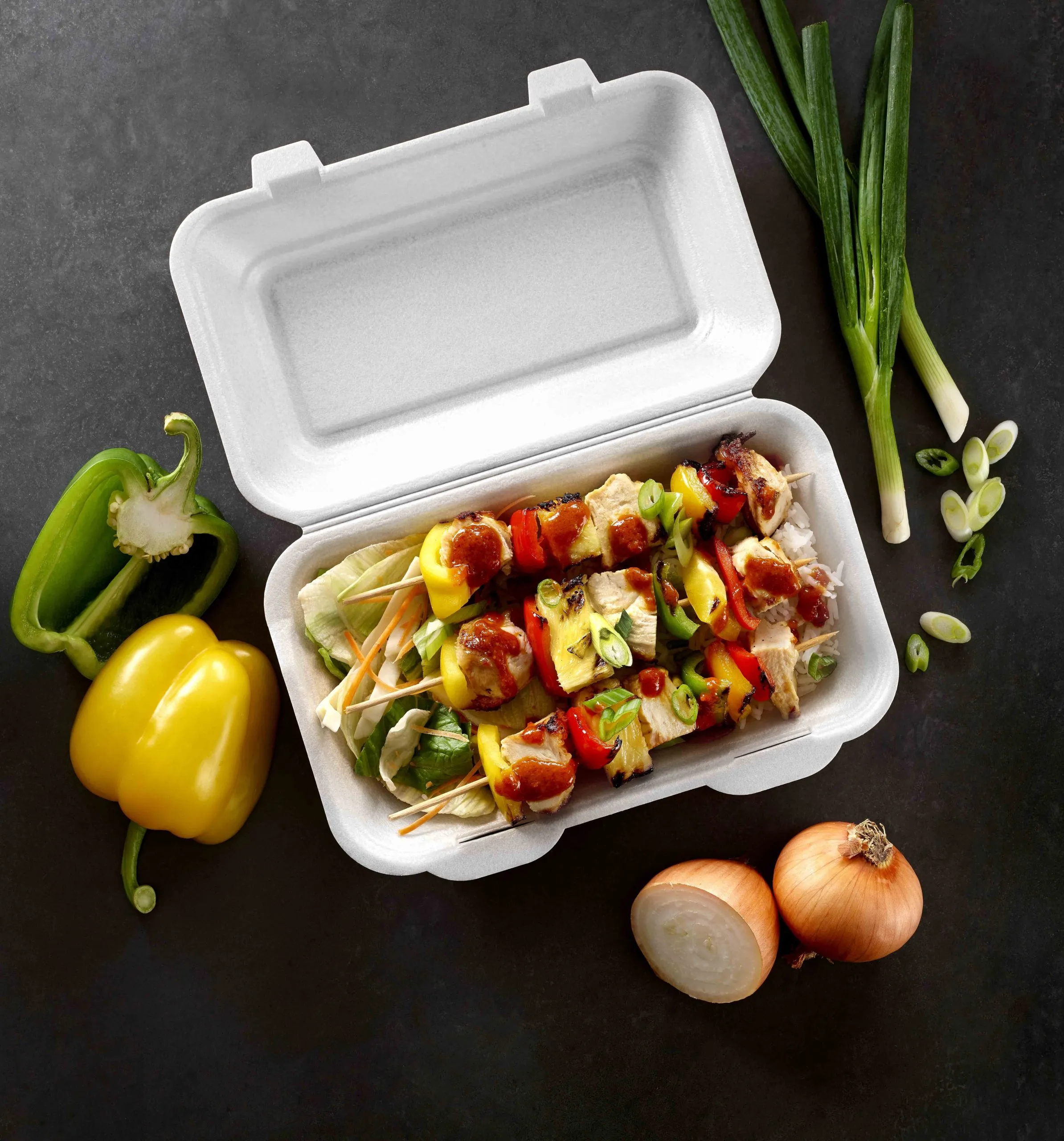
Klöckner Pentaplast (kp), a global leader in rigid and flexible packaging, has officially unveiled its latest innovation: the HP3, a high-performance, sustainable container specifically engineered to meet the evolving demands of the large-portion food-to-go market. As consumer habits shift toward on-the-go dining, the pressure on food service providers to balance structural integrity with environmental responsibility has never been greater. The HP3 emerges as a strategic answer to these challenges, combining advanced material science with a clear commitment to the circular economy.
Bridging the Gap Between Performance and Sustainability
For years, the food packaging industry has grappled with the limitations of Expanded Polystyrene (EPS) and Extruded Polystyrene (XPS). While effective at insulation, these materials have increasingly become the target of strict legislative bans in the UK and beyond due to their poor recycling profiles and environmental impact. The HP3 sidesteps these regulatory hurdles entirely by utilizing Expanded Polypropylene (EPP).
Unlike the banned polystyrene alternatives, EPP is a robust, recyclable material that fully complies with modern environmental standards. By moving to a monopolymer construction, kp has ensured that the HP3 fits seamlessly into existing polypropylene (PP) waste streams. This is a critical development for the food service industry, as it simplifies the end-of-life process for both retailers and consumers.
To ensure the message of sustainability reaches the end-user, each HP3 unit features prominent, embossed “Recycle Me” branding. Coupled with the industry-standard recycling code “5,” consumers are provided with clear, at-a-glance guidance on how to dispose of the packaging responsibly. This transparency is designed to boost recycling rates and minimize contamination in the waste stream, reflecting kp’s dedication to design-for-recycling principles.
Superior Thermal Performance and Structural Integrity
Beyond its environmental credentials, the HP3 is a technical marvel designed for the realities of busy commercial kitchens and demanding delivery scenarios. One of the primary complaints regarding large-portion food packaging is the loss of heat, which compromises food quality and customer satisfaction. The HP3 addresses this directly: laboratory testing indicates that the EPP material keeps food temperatures more than 10°C hotter than conventional packaging solutions.
This superior insulation comes with a significant ergonomic advantage. While the interior of the container maintains the high temperatures required for appetizing, hot meals, the exterior remains cool to the touch. This "cool-to-handle" design eliminates the need for extra wraps or protective sleeves, reducing overall material consumption and streamlining the packing process for staff.
The HP3 is also engineered to be exceptionally durable. Its inherent resistance to hot oils, acids, and alkalis makes it an ideal vessel for a wide range of menu items, from spicy curries and oily chicken dishes to acidic tomato-based sauces. Because the material is naturally waterproof, retailers can be confident that these containers will maintain their structural shape without going soft or leaking, regardless of the moisture content of the food. Furthermore, the range is fully microwaveable, offering customers the convenience of reheating their meals at home or in the office without needing to transfer the food to a different dish.
Strategic Market Positioning and Localized Production
Austin Schwarz, Sales Director for UK & Ireland at kp Food Packaging, highlights that the development of the HP3 was driven by direct feedback from the industry. "Our customers are telling us they need a larger, tougher pack for some of the most-loved dishes on today’s menus," says Schwarz. "We’ve designed exactly that, without compromising on recyclability, performance, or the quality that kp customers expect."
The decision to manufacture the HP3 within the United Kingdom is a cornerstone of the product’s launch strategy. By localizing production, Klöckner Pentaplast is able to offer several key advantages to its distributors and wholesale partners. First, it ensures supply chain resilience; in an era of global logistical uncertainty, having a domestic manufacturing base provides speed and assurance. Second, it significantly reduces the carbon footprint associated with the transport of finished goods. By shortening the distance between the factory floor and the end customer, kp is living up to its broader sustainability goals while providing a faster turnaround for distributors.
Meeting the Modern Menu’s Demands
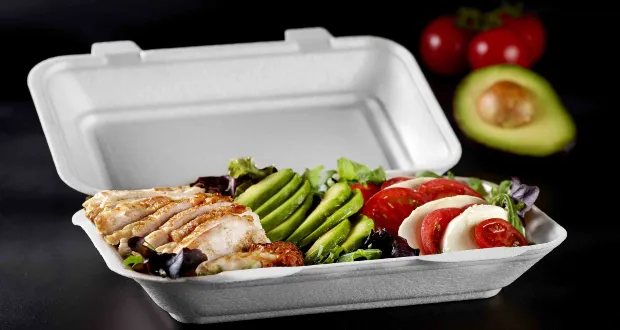
The design of the HP3 is specifically tailored for the "large portion" segment of the food-to-go market. As restaurant menus expand to include more premium, high-value, and voluminous takeaway offerings, the packaging must keep pace. The HP3 is not merely a container; it is a specialized tool that protects the culinary work of chefs while ensuring that the dining experience at home matches the experience of sitting in a restaurant.
The material’s rigidity ensures that the packaging can be stacked efficiently, a vital feature for busy takeaway outlets where space is at a premium. Its aesthetic finish—clean, professional, and high-quality—also serves to elevate the presentation of the food inside, reinforcing brand value for the retailer.
Availability and Future Outlook
The HP3 range is scheduled for wide distribution starting at the end of April. Through kp’s extensive network of established distributors and wholesalers, the product will be accessible to a broad spectrum of food-to-go operators, from high-street chains to independent local eateries.
As the industry continues to move away from legacy plastics, the adoption of EPP-based solutions like the HP3 is expected to accelerate. By prioritizing a material that is not only functional and thermally efficient but also highly compatible with the UK’s existing recycling infrastructure, Klöckner Pentaplast has positioned the HP3 as a benchmark for future food packaging design.
In conclusion, the launch of the HP3 represents a significant step forward for the food-to-go sector. By successfully merging high-end thermal performance with a truly circular design, kp is providing a necessary, future-proof solution. As distributors begin to stock the HP3, the industry will have access to a tool that supports both the operational efficiency of the business and the growing environmental expectations of the modern, eco-conscious consumer. With its combination of local manufacturing, robust performance, and user-friendly recycling credentials, the HP3 is set to become a staple of the UK takeaway landscape.