
The global packaging industry stands at a critical juncture, caught between the urgent necessity to reduce reliance on single-use plastics and the daunting reality of industrial-scale manufacturing. In a bid to bridge this gap, a strategic alliance known as the Bottle Collective was established in 2023. Spearheaded by innovation consultancy PA Consulting and packaging pioneer PulPac, the initiative includes industry titans like Diageo, all united by a singular, ambitious mission: to transition the fast-moving consumer goods (FMCG), food, and beverage sectors away from traditional plastic and toward sustainable, fibre-based alternatives.
At the heart of this collaboration lies PulPac’s proprietary "Dry Molded Fiber" technology. Unlike conventional wet-moulding processes, which are often energy-intensive and require vast quantities of water, this patented dry-forming method utilizes renewable pulp and cellulose resources. By bypassing the traditional water-heavy manufacturing cycle, the technology significantly reduces carbon dioxide emissions while producing packaging that is both cost-competitive and highly functional. This approach is not merely an environmental upgrade; it is a fundamental redesign of how we manufacture the containers that house the products we use every day.
The urgency for such innovation is driven by both tightening regulatory frameworks and a growing consumer demand for sustainable brands. However, as Anthony (Tony) Perrotta, a specialist in sustainability and the regenerative economy at PA Consulting, points out, technical brilliance in a laboratory is insufficient on its own. “Sustainability wins that cannot ultimately be industrialised at meaningful volumes will not satisfy brand owners or regulators,” Perrotta explains. For the Bottle Collective, commercial scalability is not an afterthought—it is a foundational requirement.
The industry has long been littered with "lab trophies"—innovations that work perfectly in controlled environments but fail to translate to the high-speed, low-cost reality of global supply chains. Perrotta emphasizes that the collective is laser-focused on moving beyond the prototype stage. The goal is to provide a clear, actionable pathway toward producing millions of units at the velocity and price point that the global market demands. For a beverage giant like Diageo, this means carefully stress-testing every aspect of the fibre-based bottle to ensure it meets the rigorous standards of the premium spirits industry, where integrity and shelf life are paramount.
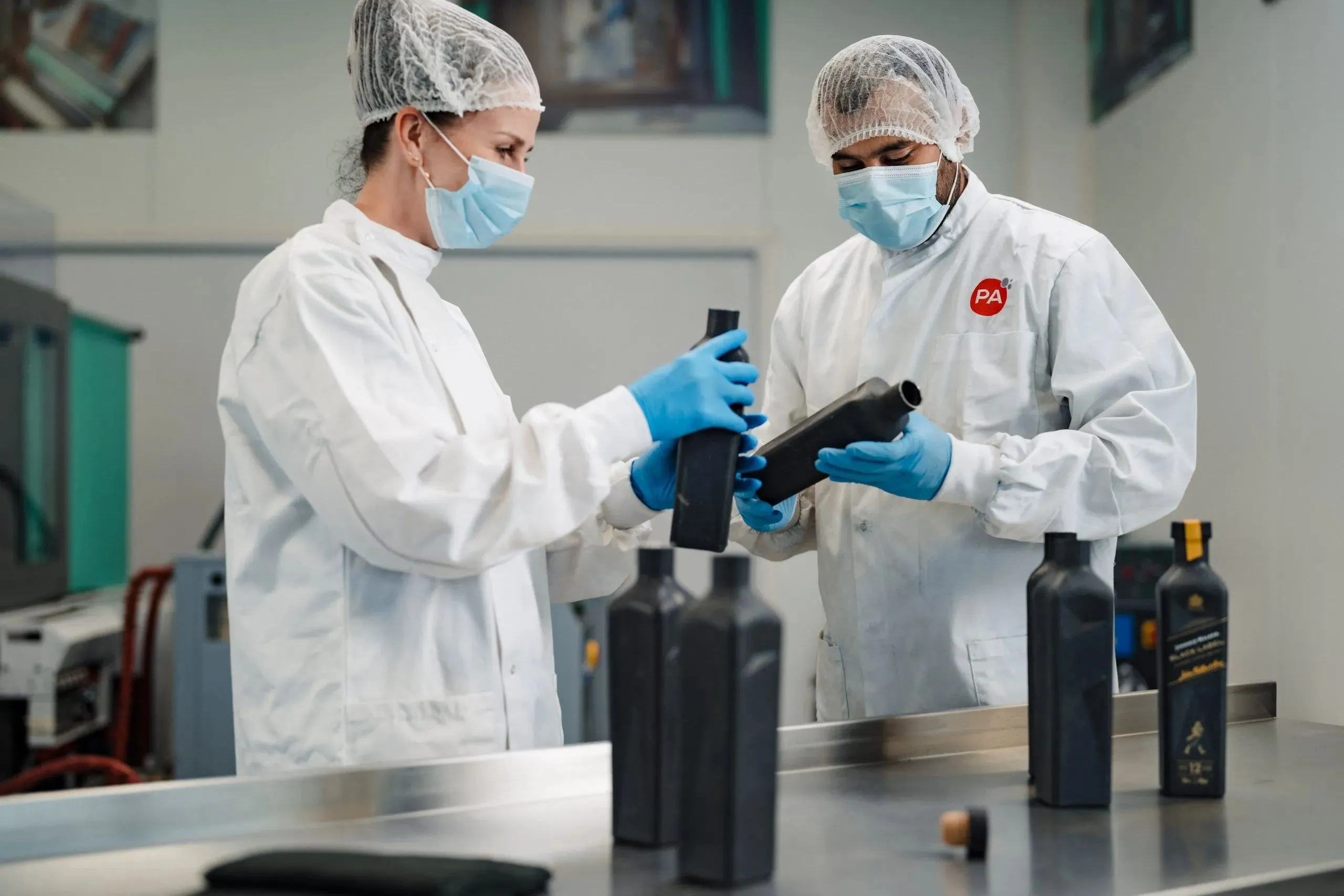
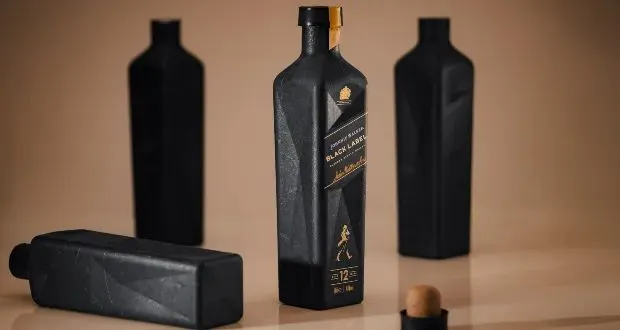
This commitment to real-world viability has manifested in a tangible, high-stakes experiment: a consumer trial involving the iconic Johnnie Walker Black Label whisky. The trial utilizes a 70cl bottle composed of 90% paper, representing a radical departure from the traditional heavy glass bottles that have dominated the spirits sector for centuries. Beyond the obvious aesthetic shift, the performance metrics are compelling. The fibre-based container is approximately 60% lighter than its glass counterpart, which offers immediate benefits in terms of transport efficiency and reduced fuel consumption during logistics. Perhaps most importantly, the carbon footprint of this prototype is nearly half that of traditional glass, positioning it as a potent weapon in the fight against climate change.
However, the transition to fibre is not without its hurdles. Perrotta is quick to temper expectations with a dose of industrial pragmatism. "For alternative materials to be taken seriously at scale, they must not risk compromising the product, and nor should they ask consumers to compromise on their experience," he notes. This delicate balance—preserving the premium feel of a whisky bottle while embracing a sustainable, paper-based structure—is the "holy grail" of the project.
The challenge of creating a fibre bottle that can hold liquid contents for extended periods without degradation, leakage, or tainting the product inside is immense. The material must possess the strength of a structural container, the barrier properties of a plastic liner or treated paper, and the aesthetic appeal required for luxury branding. As the Bottle Collective continues its work, the iterative process of trial and error is proving essential. Each phase of testing provides critical data, helping the engineers and designers refine the material composition and the manufacturing machinery to meet the specific requirements of Diageo’s diverse product portfolio.
"Fibre is the lead horse in the race to alternative materials," Perrotta asserts. This perspective reflects a broader industry shift where paper and wood-pulp-based solutions are increasingly seen as the most viable long-term successor to the current plastic-dominant paradigm. By leaning into this space, brands like Diageo are not just reacting to environmental mandates; they are actively shaping the future norms of their industry. Being a "first mover" carries risks, but it also provides a significant competitive advantage. Companies that experiment early, share their findings within collaborative frameworks, and demonstrate transparency regarding their progress are better positioned to influence future regulations and lead the market as consumer preferences continue to shift toward conscious consumption.
The collaboration between PA Consulting, PulPac, and Diageo serves as a blueprint for how complex, systemic change can be tackled in the modern era. It acknowledges that no single entity can solve the plastic crisis alone. Instead, it requires the convergence of materials science, high-speed engineering, and the massive distribution networks of multinational corporations. By working within a collective, these stakeholders are sharing the financial and technical burdens of innovation, effectively de-risking the development process.
Looking ahead, the path remains complex. The transition will require not just new bottles, but new supply chains, new waste management infrastructure, and potentially new consumer habits. However, the progress made by the Bottle Collective to date suggests that we are moving out of the era of conceptual environmentalism and into an era of industrial implementation.
As the trial results for the Johnnie Walker paper bottle continue to be analyzed, the industry watches with bated breath. If this technology can be successfully scaled to the level required by global spirits brands, the implications for the wider FMCG market—from cosmetics to household cleaners—will be profound. The "Bottle Collective" approach proves that while sustainability is a difficult target to hit, it is within reach if the industry is willing to commit to the rigorous, long-term development of scalable, science-backed solutions.
In the final analysis, the work being done by this collective is a reminder that genuine innovation is a marathon, not a sprint. The "lab trophy" era is drawing to a close, replaced by a more pragmatic, data-driven approach that prioritizes the realities of manufacturing and the needs of the end consumer. For Diageo and its partners, the journey to a fibre-based future is not just about replacing plastic; it is about reimagining the very nature of packaging to ensure it is fit for a more sustainable, resource-conscious century. As Perrotta aptly concludes, those who are willing to showcase their progress and endure the challenges of the developmental phase will ultimately be the ones to define the next generation of global packaging.