

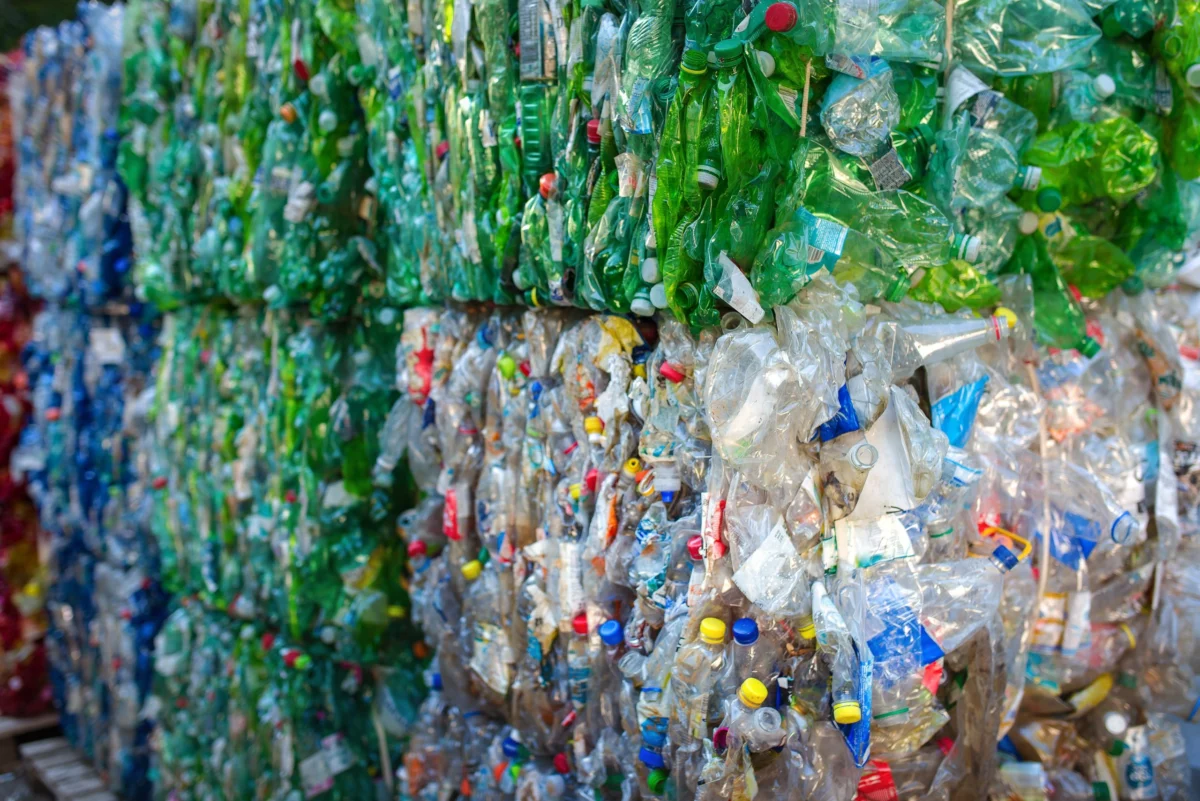
Recent data released by HM Revenue and Customs (HMRC) reveals a nuanced picture of the UK’s environmental policy landscape, showing that approximately one-third of all plastic packaging circulating within the country remains taxable under the Plastic Packaging Tax (PPT). The latest figures indicate that revenue collected from the tax for the 2025 to 2026 financial year dipped to £250 million, representing a 4% decrease from the £261 million recorded during the 2024 to 2025 period. Alongside this dip in tax yield, the administrative data highlights a core operational baseline for the scheme, with 5,142 businesses officially registered for the PPT as of mid-August 2026.
A closer examination of the tonnage data illuminates how plastic packaging moves through the UK supply chain. HMRC statistics show that for the 2025 period, 37% of the total plastic packaging manufactured in or imported into the UK fell below the critical sustainability threshold, meaning it failed to incorporate the mandated minimum of 30% recycled content. This figure remains virtually static compared to the previous year, where 38% of packaging similarly missed the threshold. Conversely, the remaining majority of plastic packaging met various compliance and exemption criteria: 51% successfully achieved the 30% or higher recycled plastic threshold, 11% was designated for export, actively exported, or underwent further conversion, and a minuscule fraction—less than 1%—enjoyed a full exemption due to its vital use as immediate packaging for human medicines.
This lack of movement in the overarching recycling metrics has triggered significant concern among environmental and resource management experts. David Gudgeon, head of external affairs at resource management firm Reconomy, offered a sharp critique of the current market dynamics. Pointing to the persistent stagnation, Gudgeon noted that with over a third of all plastic packaging still failing to hit even the modest 30% recycled content floor, the UK economy remains heavily tethered to virgin materials. Because the market price for virgin plastic has stayed persistently low, commercial realities often dictate that it remains far more economical for manufacturers to deploy brand-new material rather than invest in sustainable, recycled alternatives.
Gudgeon observed that while these figures are concerning, they are ultimately unsurprising given the current economic pressures faced by producers. However, he anticipates that this dynamic is positioned to shift as a broader suite of regulatory interventions comes to fruition. Key policy measures designed to artificially stimulate demand for circular materials include the impending rollout of Packaging Extended Producer Responsibility (EPR), the streamlining of household and commercial waste collection through Simpler Recycling initiatives, and the ongoing enforcement of the Plastic Packaging Tax itself.
Despite these regulatory levers, the domestic ecosystem faces profound structural bottlenecks. Gudgeon cautioned that the UK’s recycling infrastructure is fundamentally unequipped to absorb a sudden surge in plastic packaging collected for reprocessing. The recycling sector has long grappled with well-documented structural vulnerabilities, including intense economic competition from artificially cheap virgin plastics, alongside skyrocketing labor and operational energy costs. These combined pressures have unfortunately forced several domestic recycling plants to shutter their doors entirely.
Consequently, the United Kingdom continues to exhibit a high reliance on overseas markets to process its waste. Recent government data indicates that only around half of all plastic packaging generated in the UK is actually recycled domestically, underscoring a deep-seated vulnerability in the national supply chain.
To break this cycle and fortify the domestic green economy, Reconomy has issued a direct call to action for the UK Government. Gudgeon urged policymakers to proactively create the legislative and economic conditions necessary to unlock substantial long-term investment in domestic recycling infrastructure. Chief among these recommendations is a proposal for the UK to follow the legislative lead of the European Union by introducing mandatory, legally binding minimum recycled-content requirements across all categories of plastic packaging.
Implementing such a mandate would establish a predictable, guaranteed demand signal for recycled material, offering much-needed commercial certainty for domestic recyclers, reprocessors, and investors. Furthermore, this policy framework could seamlessly dovetail with England’s strategic roadmap to incorporate flexible plastics into the Simpler Recycling framework by April 2030. To ensure the framework remains practical and effective, Gudgeon suggests that these mandatory requirements could be structured around progressive, tiered targets tailored to specific polymer grades. Recognizing that different packaging formats possess varying technical capabilities to absorb recycled content, policy could mandate higher thresholds for certain materials—such as setting a minimum recycled-content target of 75% for PET and HDPE bottles, while pushing LDPE (Low-Density Polyethylene) progressively closer to 100%.
Enacting these kinds of ambitious, progressive targets would directly address the stubborn 37% of packaging that currently falls beneath the threshold of the Plastic Packaging Tax. By fundamentally reshaping the economics of material sourcing, the UK could successfully catalyze vital capital investment into domestic recycling capacity, drastically cut down on persistent plastic waste, lower national carbon emissions, and dramatically accelerate the broader economic transition toward a truly circular model.