
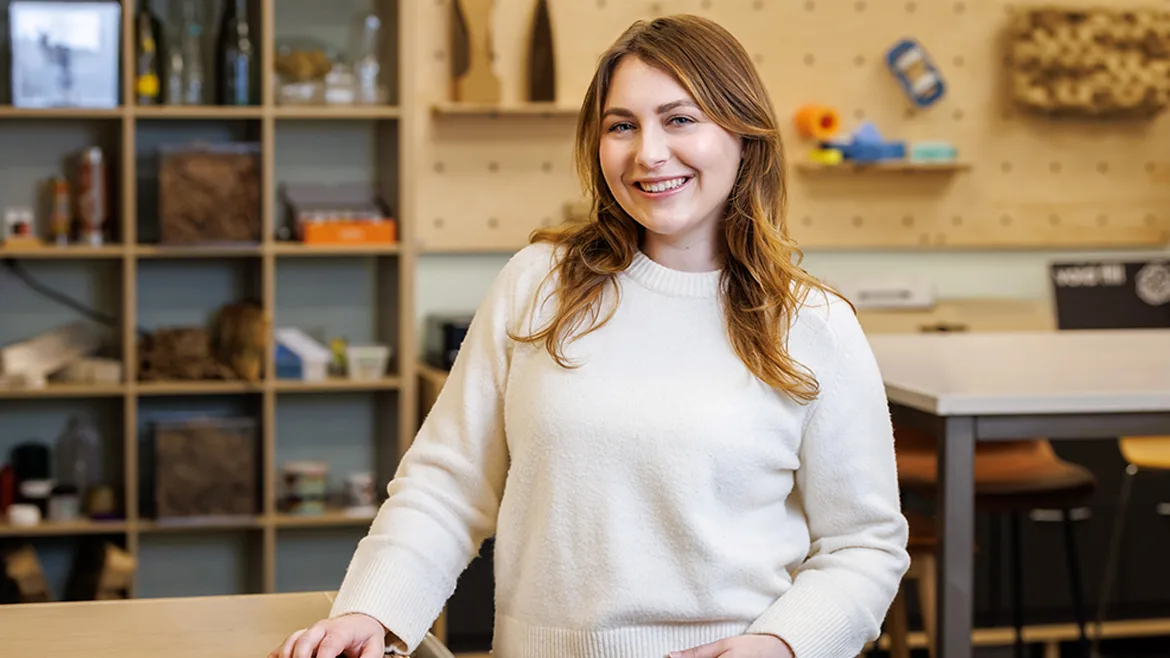
In the modern global economy, packaging is the silent engine of commerce, an omnipresent but often overlooked force that ensures the integrity of everything from life-saving pharmaceuticals to daily groceries. For many, a cardboard box or a plastic film is merely an obstacle between the consumer and their purchase. However, for Brodie Vander Dussen, Senior Manager of the Sustainable Design Lab at Veritiv, packaging represents one of the most significant levers available for environmental stewardship. As a prominent voice in the "Women in Packaging" movement, Vander Dussen’s journey from the world of marketing to the front lines of material science and circular economy strategy offers a masterclass in how individual passion can transform a legacy industry.
Vander Dussen’s entry into the field was not through the traditional halls of industrial engineering, but through the lens of brand narrative and consumer behavior. Starting her career in marketing, she was afforded a panoramic view of the supply chain, observing how diverse industries—ranging from food and beverage to heavy manufacturing—utilized packaging to protect and promote their goods. It was during this period that she recognized the industry’s "invisibility." People rarely consider the complex engineering required to ensure a glass bottle survives a cross-country shipment or the chemical properties that keep food fresh. This realization, however, carried a weightier secondary thought: the permanence of the materials being used. The epiphany that the packaging she was helping to market would likely outlive her by centuries became a catalyst for change. Driven by a desire to align her professional expertise with her personal values, she pivoted toward sustainability, seeking to ensure that the "invisible industry" left a positive, rather than permanent, footprint on the planet.
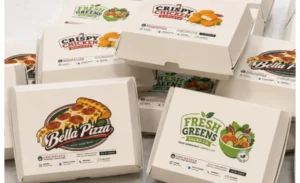
Now a leader at Veritiv—a Fortune 500 company and a powerhouse in packaging distribution and logistics—Vander Dussen operates at a scale where small adjustments yield massive results. The Sustainable Design Lab, which she oversees, serves as an innovation hub where data-driven design meets environmental responsibility. Her philosophy centers on the idea that sustainability is not a monolithic goal but a series of precise, calculated decisions. This includes "right-sizing," the process of optimizing a package’s dimensions to eliminate "shipped air," which in turn reduces the number of trucks on the road and lowers carbon emissions. It also involves the rigorous vetting of materials, such as increasing post-consumer recycled (PCR) content, exploring bio-based alternatives like seaweed or mushroom-based packaging, and ensuring that every component is designed with its "end-of-life" in mind.
The scale of Veritiv allows Vander Dussen to influence the entire value chain. By working with both suppliers and major brands, she helps translate abstract corporate ESG (Environmental, Social, and Governance) goals into tangible packaging specifications. This bridge-building is essential in an era where regulatory pressures, such as Extended Producer Responsibility (EPR) laws and bans on single-use plastics, are reshaping the business landscape. For Vander Dussen, the excitement lies in the tangibility of the work; a switch from a plastic-heavy laminate to a fully recyclable fiber-based solution is a measurable victory for the environment that happens in real-time.
Beyond the technicalities of material science, Vander Dussen is a fierce advocate for gender diversity within the industrial sector. Historically, the packaging and logistics industries have been male-dominated, particularly in the realms of manufacturing and executive leadership. However, Vander Dussen views the current era as a turning point. She argues that the challenges facing the industry—climate change, supply chain volatility, and shifting consumer ethics—are too complex to be solved by a monolithic workforce. The best solutions, she believes, emerge from a collision of different perspectives, experiences, and cognitive approaches.

Women, in particular, bring a vital perspective to packaging. As primary household purchasers and influencers in the consumer goods space, women often have a deep, intuitive understanding of the end-user experience. When this perspective is brought into the design lab or the boardroom, it leads to packaging that is not only more sustainable but also more functional and empathetic to the consumer’s needs. Vander Dussen notes that at Veritiv, she is surrounded by talented women who are not just participating in the industry but are actively steering its direction. This visibility is crucial; as more women ascend to leadership roles, the "brass ceiling" of the industrial sector continues to crack, creating a more inclusive environment for the next generation of talent.
Attracting young women and girls to the industry remains a priority for Vander Dussen. She believes the key is visibility and rebranding. Packaging is often perceived through a narrow lens of manufacturing and warehouse work, but the reality is far more expansive. It is a field that requires high-level expertise in engineering, graphic design, regulatory law, data analytics, and marketing. By highlighting the intersection of technology and environmental impact, the industry can appeal to a generation of young women who are looking for careers that offer both stability and a sense of purpose. Vander Dussen’s own work with the Sustainable Design Lab Podcast is a testament to this effort. While she admits that stepping into the role of a podcast co-host was outside her comfort zone, she recognized the importance of being a visible female voice in a space where such voices have historically been rare.
Mentorship has played a pivotal role in Vander Dussen’s career, though her approach to it is refreshingly modern. She views mentorship not as a formal, one-on-one hierarchy, but as a web of relationships built on mutual respect and shared curiosity. Her advice to those seeking guidance is to be "intentionally authentic." Whether it is approaching a speaker at a conference, reaching out to a thought leader on LinkedIn, or simply asking a thoughtful question during a meeting, these small acts of initiative are what build a professional support system. She emphasizes that women must be intentional about supporting one another—not just through formal programs, but through daily advocacy. This means giving credit where it is due, recommending colleagues for high-visibility projects, and acting as a "sponsor" who speaks for others when they are not in the room.
Reflecting on her own journey, Vander Dussen’s advice to her 25-year-old self is simple: "Say yes more often." Early in a career, there is a temptation to stay within the safe confines of a job description. However, Vander Dussen found that her most significant growth occurred when she accepted "stretch assignments"—projects that forced her to learn about parts of the business she didn’t fully understand. These experiences provided her with a holistic view of the company and the industry, which eventually became the foundation of her leadership at the Sustainable Design Lab. By saying yes to the unknown, she moved from being a participant in the industry to being one of its primary architects.
As the packaging industry moves toward 2030 and beyond, the role of leaders like Brodie Vander Dussen will only become more critical. The transition to a circular economy—where waste is designed out of the system and materials are kept in use indefinitely—requires a blend of technical innovation and cultural change. Through her work at Veritiv, her advocacy for women, and her commitment to sustainable design, Vander Dussen is proving that packaging is far more than a container. It is a tool for transformation, a medium for creativity, and a vital component of a sustainable future. Her story serves as a reminder that when passion meets a platform of scale, the impact can be truly world-changing.