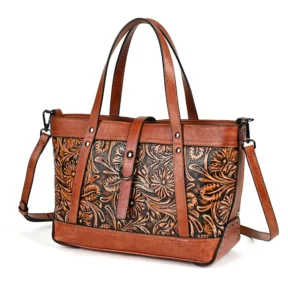

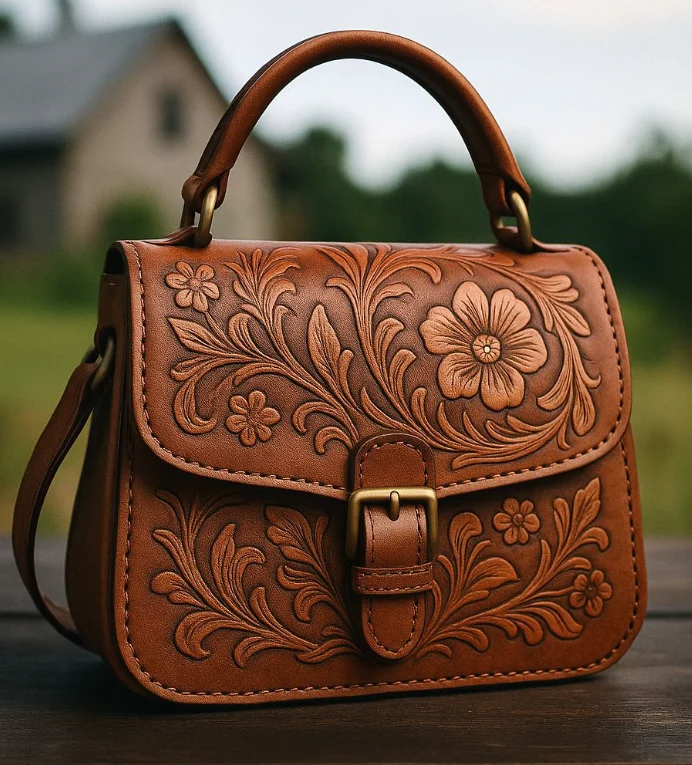
The global accessories landscape is undergoing an unprecedented shift, caught between two diametrically opposed consumer impulses: the timeless pursuit of artisanal craftsmanship and the unstoppable rise of ultra-functional, hyper-budget utility gear. For decades, the personal carry market was defined largely by status, material provenance, and tactile aesthetics. A finely burnished bag—typified by intricately embossed floral motifs pressed into heavy full-grain leather—represented an investment not just in storage, but in an enduring personal identity. Today, however, that heirloom aesthetic shares algorithmic shelf space with featherweight, multi-pocket nylon sling packs engineered for high-mobility commutes, hiking trails, and impulse checkout baskets at prices dipping below ten dollars. This juxtaposition reflects a wider transformation in how consumers navigate value, durability, and daily function in modern retail ecosystems.
At the traditional end of the spectrum sits the full-grain leather handbag, a product whose lineage traces through centuries of saddlery, tooling, and specialized leatherworking. True full-grain hide preserves the outermost layer of the animal skin, retaining natural imperfections, unique grain textures, and maximum tensile strength. When artisans apply heat and heavy mechanical pressure via custom metal plates to create embossed floral patterns, they are participating in an aesthetic tradition that blends botanical illustration with robust structural longevity. These bags develop a rich patina over years of use, absorbing oils, sunlight, and wear to tell a personal story. For generations of shoppers, investing in an embossed leather tote or structured satchel was considered an essential wardrobe milestone, offering a tactile warmth and bespoke elegance that synthetic alternatives could never truly replicate.
Yet, as urban lifestyles accelerated and active recreation merged with daily commuting, a competing philosophy took hold: ruthless utilitarian minimalism. The contemporary cross-body sling backpack—epitomized by compact nylon daypacks that cross seamlessly from airport terminals to forested walking trails—has democratized the bag market. Characterized by tear-resistant woven synthetics, water-repellent coatings, and modular zippered compartments, these bags prioritize low mass and high accessibility. Models designed for women and men alike have abandoned stiff silhouettes in favor of ergonomic, close-to-the-body profiles that distribute weight across the chest or back, freeing both hands for mobile devices, trekking poles, or transit passes.
What makes this marketplace convergence particularly fascinating to industry analysts is the sheer disparity in economic positioning. Whereas an authentic full-grain, botanical-embossed leather purse often commands triple-digit prices due to raw material expenses, vegetable tanning processes, and skilled labor, modern nylon slings frequently surface on international e-commerce hubs at astonishingly low price points. Recent retail listings have observed fully functional, multi-pocket sling daypacks priced as low as $8.45. Such micro-pricing reflects advanced automated assembly, direct-from-factory logistics, and economies of scale that allow manufacturers to produce consumer-ready gear at margins that would have been unthinkable a generation ago.
This price polarization has created a curious dynamic in digital commerce, where automated merchandising engines and affiliate portals frequently blend disparate concepts. A webpage initially titled or tagged for a luxurious embossed leather handbag may dynamically serve a promotional link for an ultra-affordable nylon outdoor sling. Algorithms constantly recalibrate to capture fleeting consumer intent, matching users who search for casual mobility with low-barrier impulse purchases. For the end shopper, navigating these sprawling online marketplaces requires a discerning eye. Dynamic price updates, flash deals, and shifting third-party inventories mean that product listings can transform in real time, making transparency regarding material compositions and genuine build quality more vital than ever.
Beyond the retail mechanics, consumer behavior itself has bifurcated into a philosophy of pragmatic duality. Rather than choosing strictly between the refined grace of leather or the technical performance of synthetics, many modern buyers are embracing both within a hybrid wardrobe strategy. The structured, floral-embossed leather handbag remains the preferred companion for formal workplace environments, dinner parties, and creative professional settings where artisanal details convey elevated taste. In contrast, the nylon sling has become the undisputed workhorse for casual weekends, spontaneous day hikes, fitness excursions, and lightweight travel. The sling’s nylon exterior shrugs off sudden rain showers and abrasive contact that would cause panic for the owner of untreated vegetable-tanned leather, creating an emotional freedom that rigid luxury items often fail to provide.
This pragmatic division of labor has also spurred a debate over environmental sustainability and ethical consumption. On one hand, advocates of full-grain leather argue that a well-crafted leather piece boasts an unmatched lifespan, remaining functional for decades and biodegrading far more naturally than petroleum-derived plastics. The environmental impact of tanning and livestock rearing is amortized over years of continuous service, standing as an antidote to disposable fashion. On the other hand, the synthetic activewear market has leaned heavily into nylon and polyester, materials that are inherently vegan, resistant to mildew, and increasingly sourced from post-consumer recycled fabrics like ocean plastics and discarded fishing nets. For budget-conscious consumers seeking cruelty-free, weather-resistant utility, the modest footprint and practical performance of nylon make a compelling case, even if the lower price point occasionally tempts buyers into rapid turnover cycles.
The physical design of the modern daypack also underscores how technology has altered daily human ergonomics. The traditional floral leather handbag was designed primarily to carry physical documents, cosmetics, and keys, relying on top handles or slender shoulder straps that could tire the shoulder over extended walks. Modern nylon slings, by contrast, are fundamentally structured around electronic hardware. Specialized padded pockets house smartphones, external battery banks, and charging cables, with integrated cable routing ports and earphone pass-throughs built directly into the fabric seams. Wide, adjustable nylon webbing distributes weight across the trapezoid and chest, preventing the asymmetrical strain commonly associated with single-strap totes. This intense focus on anatomical comfort has made the sling an indispensable accessory for younger demographics, runners, and metropolitan commuters navigating crowded subways and bike lanes.
Yet, despite the undeniable convenience of modern utility packs, the market for distinctive decorative finishes shows no sign of waning. Even within the technical gear sector, designers have begun incorporating embossed patterns, floral screen-prints, and hybrid textile accents to soften the stark, militaristic lines of utilitarian bags. Consumers crave visual distinction in an era dominated by homogenous, mass-produced items. The enduring romanticism of floral embossing—reminiscent of Southwest tooling, Art Nouveau scrollwork, and heritage European leather houses—proves that emotional resonance and artistic expression remain powerful drivers of purchase intent, even in a retail landscape dominated by performance metrics and cutthroat price wars.
As the retail calendar moves forward, the personal carry sector will likely continue this balancing act. High-end craftspeople will continue to refine the art of tactile embossing, utilizing sustainable tanning chemistries to create leather goods that serve as wearable artwork. Simultaneously, agile manufacturers will keep pushing the boundaries of cost efficiency and ergonomic versatility, producing weather-tough sling bags that provide unmatched utility for less than the cost of a sit-down lunch. Whether slung across the chest on a mountain trail or resting elegantly on the arm at an evening gallery, the bags we carry reflect the multifaceted realities of contemporary life—a continuous negotiation between enduring beauty, modern speed, and everyday pragmatism.