
The global packaging landscape is currently undergoing a seismic shift, driven by a combination of stringent environmental regulations, evolving consumer preferences, and a corporate drive toward circularity. At the forefront of this transformation is Amcor, a global leader in developing and producing responsible packaging solutions. Their latest contribution to the food and beverage sector, the Moderna Flip Top tamper-evident (TE) closure, represents a significant leap forward in the engineering of sustainable dispensing systems. This innovation is not merely a component; it is a strategic response to the complex demands of the modern market, specifically tailored for products such as vinegars, specialty sauces, and various salad dressings.
For decades, the packaging industry has struggled to balance the "trilemma" of functionality, safety, and environmental impact. Traditional closures for liquid condiments often relied on multi-material assemblies or heavy plastic designs that, while effective at sealing, created significant hurdles for recycling streams. The Moderna Flip Top disrupts this status quo by utilizing a mono-material, one-piece construction. By ensuring the closure is made from a single family of polymers, Amcor has engineered a product that is inherently "recycle-ready." In regions where the appropriate collection and sorting infrastructure exists, these closures can be processed alongside the bottles they seal, preventing them from becoming "orphaned" waste in landfills or the natural environment.
The emphasis on sustainability extends beyond recyclability into the realm of resource efficiency. The Moderna closure features a sophisticated lightweight design that significantly reduces the overall volume of plastic used per unit. This reduction is not just an environmental win; it is a critical compliance tool for brands operating in jurisdictions with escalating plastic taxes or packaging waste regulations. By lowering the weight of the closure without compromising its structural integrity or sealing performance, Amcor enables its partners to lower their carbon footprint across the entire supply chain—from the energy required for injection molding to the fuel consumed during the transport of finished goods.
From a technical and engineering perspective, the Moderna Flip Top is designed to integrate seamlessly into existing high-speed bottling lines. It is specifically engineered for the 29/21 neck finish, a standard in the PET (polyethylene terephthalate) bottling world. This compatibility ensures that food manufacturers can adopt this more sustainable solution without the need for costly overhauls of their capping machinery. The application is a snap-on mechanism, which provides a high-torque-resistant, secure seal that protects the product inside from oxidation and external contaminants.
One of the most critical aspects of any food packaging is the assurance of product integrity. The Moderna system addresses this through an elegantly integrated tamper-evident (TE) mechanism. Unlike traditional TE bands that might detach and become small-format litter, the Moderna’s TE tab is "captured" within the body of the closure after the initial opening. This design choice is a direct response to the growing global concern regarding microplastics and "tethering" requirements. By keeping the tamper-evident component attached to the main closure body, Amcor ensures that the entire assembly stays together throughout its lifecycle, increasing the likelihood that it will be successfully recovered during the recycling process.
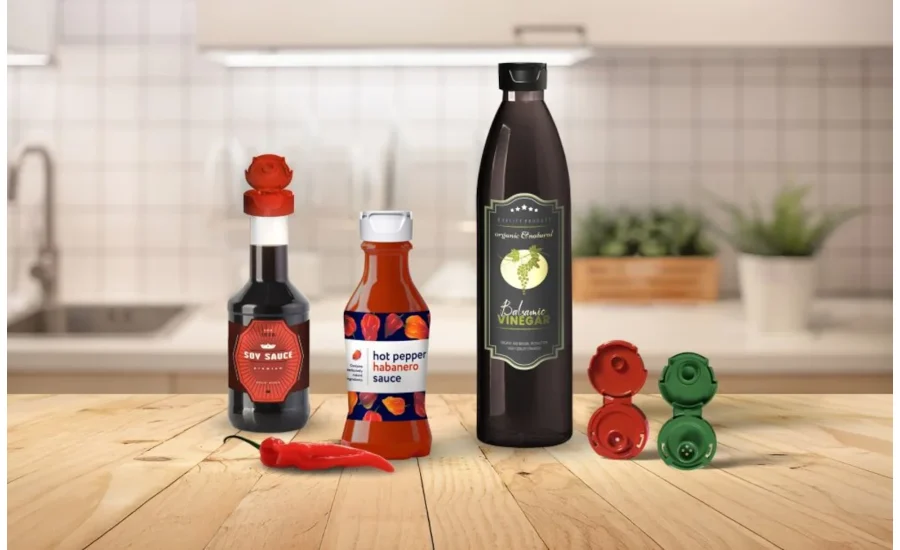
The consumer experience has also been a primary focus of the Moderna’s development. In the fast-paced modern kitchen, convenience is king. The closure features a flip-top lid designed for easy, one-handed actuation. This allows a cook or consumer to open, pour, and close the bottle with minimal effort, which is a significant ergonomic improvement over traditional screw-caps that require two hands and can easily be misplaced. Furthermore, the Moderna offers a range of orifice sizes—2mm, 6mm, and a multi-orifice option—to accommodate the specific rheological properties of different liquids. A thin, balsamic vinegar requires a different flow rate than a viscous, chunky herb dressing; the Moderna’s customizable dispensing options ensure that the consumer has total control over the pour, reducing mess and food waste.
Safety and freshness are further bolstered by a precision-engineered bore seal. This internal sealing ring creates a robust barrier against oxygen ingress, which is essential for preserving the organoleptic properties—the taste, smell, and color—of premium sauces and dressings. In a market where "clean label" products with fewer preservatives are becoming the norm, the role of the packaging in maintaining shelf life has never been more vital. The Moderna’s seal ensures that the product remains as fresh on the day it is opened as it was on the day it was bottled.
Aesthetics and brand identity have not been overlooked in this pursuit of functionality. Amcor recognizes that the closure is often the first point of physical contact between the consumer and the brand. To support brand differentiation on crowded retail shelves, the Moderna is available in an extensive palette of standard colors. This allows brand owners to align the closure’s appearance with their label graphics and overall corporate identity. Whether it is a vibrant green for an organic vinaigrette or a sleek black for a premium balsamic glaze, the Moderna serves as a visual cue for quality and innovation.
The launch of the Moderna Flip Top is part of Amcor’s broader commitment to a circular economy. The company has famously pledged that all of its packaging will be recyclable or reusable by 2025. This goal requires more than just incremental changes; it requires a complete reimagining of how packaging is designed from the ground up. The Moderna closure is a tangible example of this "design-for-recycling" philosophy in action. By moving away from complex, multi-part dispensing systems toward simplified, mono-material solutions, Amcor is helping to streamline the waste stream and improve the economics of the recycling industry.
Furthermore, the introduction of the Moderna comes at a time when the global food industry is facing unprecedented pressure to decarbonize. The lightweighting achieved in the Moderna design contributes directly to Scope 3 emission reductions for food producers. As retailers and consumers increasingly scrutinize the environmental credentials of the products they buy, having a closure that is both lightweight and recycle-ready becomes a powerful competitive advantage.
In summary, the Amcor Moderna Flip Top tamper-evident closure is much more than a simple bottle cap. It is a sophisticated piece of industrial design that harmonizes the often-conflicting needs of the manufacturer, the consumer, and the planet. For the manufacturer, it offers easy integration, material savings, and regulatory compliance. For the consumer, it provides safety, convenience, and a premium pouring experience. And for the environment, it represents a move toward a world where packaging is no longer a pollutant but a valuable resource that can be recovered and reused. As the food and beverage industry continues to evolve, innovations like the Moderna will play a pivotal role in shaping a more sustainable and efficient future for global packaging. Amcor’s ability to deliver such a versatile solution underscores their position as a catalyst for change in the quest for responsible packaging.