
In an era where the global packaging industry is under intense scrutiny to harmonize industrial efficiency with environmental stewardship, Amcor, a global leader in developing and producing responsible packaging solutions, has introduced a significant breakthrough in closure technology. The launch of the Moderna Flip Top tamper-evident (TE) closure represents a strategic pivot toward high-performance, low-impact components specifically engineered for the condiments, sauces, and dressings market. This innovation is not merely a product update but a sophisticated response to the "triple threat" facing modern brands: tightening environmental regulations, the logistical necessity for lightweighting, and an increasingly vocal consumer base demanding intuitive, waste-free functionality.
As the packaging landscape shifts away from complex, multi-material components that traditionally clog recycling streams, the Moderna closure arrives as a flagship example of "Sustainability by Design." By utilizing a mono-material construction, Amcor has addressed one of the most persistent "pain points" in the recycling of plastic bottles. Historically, closures were often made of materials different from the bottles they sealed, leading to contamination during the mechanical recycling process. The Moderna’s design ensures that when it reaches a recycling facility, it can be processed efficiently, provided the local infrastructure supports mono-material plastic collection. This aligns with Amcor’s overarching global commitment to ensure that all its packaging is recyclable or reusable by 2025—a pledge that has set a high bar for the rest of the plastics industry.
One of the most technically impressive aspects of the Moderna Flip Top is its lightweight architecture. In the world of high-volume manufacturing, every milligram of plastic saved per unit translates into thousands of tons of reduced resin consumption across a global supply chain. This reduction in material usage serves a dual purpose. First, it directly lowers the carbon footprint associated with the production and transportation of the packaging, as lighter loads require less fuel. Second, it provides a vital buffer for companies navigating the increasingly complex web of plastic packaging taxes and regulations, such as the UK’s Plastic Packaging Tax or the European Union’s Circular Economy Action Plan. By reducing the mass of the closure without sacrificing structural integrity or seal performance, Amcor provides a tangible way for brands to improve their ESG (Environmental, Social, and Governance) ratings while simultaneously optimizing their bottom line.
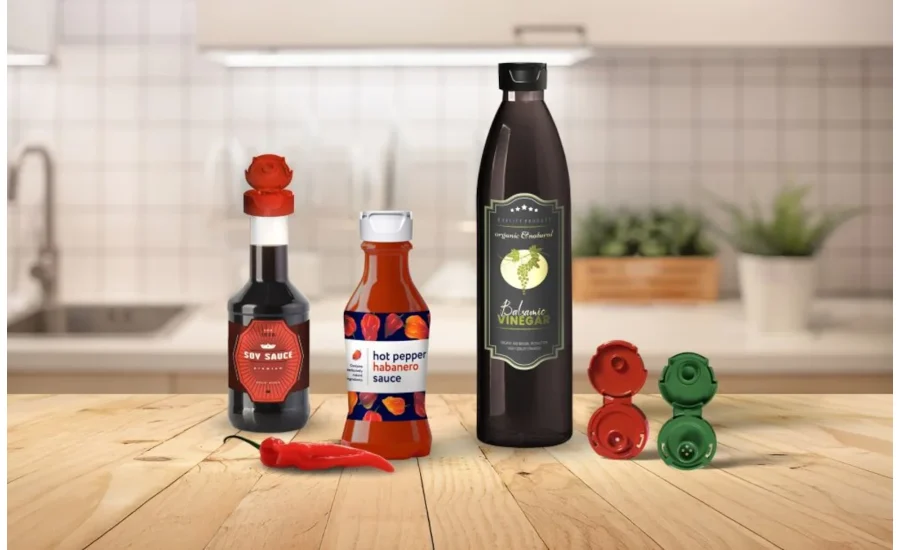
Beyond its environmental credentials, the Moderna closure is engineered with the end-user in mind. The condiment and sauce market is notoriously difficult regarding dispensing; consumers often struggle with "glugging," messy spills, or the frustration of a cap that requires two hands to manipulate. Amcor has solved these issues by offering the Moderna with a variety of orifice configurations. Depending on the viscosity of the product—whether it is a thin balsamic vinegar, a medium-bodied salad dressing, or a thick, artisanal sauce—brands can choose between 2mm, 6mm, or multi-orifice designs. This level of customization ensures a controlled pour every time, enhancing the consumer’s experience at the dinner table and reducing product waste.
Safety and product integrity are equally paramount in the design of the Moderna. The closure features an advanced tamper-evident (TE) system that is seamlessly integrated into the flip-top lid. In the post-pandemic market, consumers are more vigilant than ever about the security of their food products. The Moderna provides a clear, visible seal that acts as a "first-opening" indicator, offering immediate peace of mind that the contents have not been compromised. What sets this system apart from traditional TE rings is the "captured tab" mechanism. Upon the initial opening, the tamper-evident tab remains securely attached within the body of the closure. This is a critical environmental feature; by preventing the tab from being detached and discarded as a separate piece of litter, Amcor ensures that the entire closure stays together as one unit. This drastically reduces the likelihood of small plastic fragments entering the environment or becoming "leakage" in the waste management stream, thereby supporting the move toward tethered-cap standards seen in various international jurisdictions.
The mechanical application of the Moderna is also optimized for modern high-speed bottling lines. Designed for a 29/21 neck finish—a standard that is rapidly becoming the benchmark for lightweight PET (polyethylene terephthalate) bottles—the closure utilizes a snap-on application. This allows for a secure, airtight seal without the mechanical complexity or potential for cross-threading associated with traditional screw-caps. The inclusion of a high-performance bore seal further safeguards the freshness of the product. This seal acts as a barrier against oxygen ingress, which is the primary cause of spoilage and flavor degradation in oil-based dressings and vinegars. By extending the shelf life of the product through superior sealing technology, the Moderna indirectly contributes to the reduction of food waste, which is a major contributor to global greenhouse gas emissions.
Aesthetically, the Moderna closure does not force brands to choose between "green" and "glamorous." Amcor offers the closure in a wide spectrum of standard colors, allowing for easy integration into existing brand identities. Whether a brand wants a vibrant, eye-catching red for a spicy sauce or a clean, transparent look for an organic vinegar, the Moderna can be customized to suit specific marketing requirements. This visual versatility is essential in the crowded retail environment, where shelf appeal is often the deciding factor in a consumer’s purchasing journey.
The broader context of this launch cannot be overstated. The global packaging market is currently undergoing a massive transformation driven by the "New Plastics Economy." This framework, championed by organizations like the Ellen MacArthur Foundation, envisions a world where plastic never becomes waste or pollution. Amcor’s investment in the Moderna closure is a direct application of these principles. By focusing on mono-materials, lightweighting, and "litter-free" tamper evidence, Amcor is providing the tools necessary for the consumer packaged goods (CPG) industry to transition into a truly circular model.
Furthermore, the Moderna closure is a testament to Amcor’s collaborative approach to innovation. The development of such a component requires deep expertise in polymer science, precision injection molding, and an intimate understanding of the mechanical stresses that packaging undergoes during shipping and handling. The result is a closure that feels premium to the touch, operates with a satisfying "click" that confirms closure, and maintains its functional performance even after repeated use. This durability is vital; a flip-top that breaks after the third use not only frustrates the consumer but also risks spoiling the remaining product, leading to waste.
As brands look toward the future, the pressure to report on "Scope 3" emissions—those generated in a company’s value chain, including the end-of-life treatment of sold products—is intensifying. Utilizing a component like the Moderna Flip Top allows brands to report higher rates of recyclability and lower virgin plastic usage. In a market where "greenwashing" is increasingly called out, having a scientifically backed, technically superior closure provides a layer of authenticity to a brand’s sustainability claims.
In conclusion, the Amcor Moderna Flip Top tamper-evident closure is more than just a lid; it is a sophisticated piece of industrial engineering that bridges the gap between consumer desire and planetary necessity. It addresses the technical requirements of the 29/21 neck finish, the regulatory demands for material reduction, and the environmental urgency of the circular economy. For manufacturers of vinegars, sauces, and dressings, the Moderna represents an opportunity to modernize their packaging portfolio, enhance product safety, and demonstrate a genuine commitment to a more sustainable future. As the industry continues to evolve, it is innovations like these—small in size but massive in cumulative impact—that will define the next generation of responsible packaging. Through the Moderna, Amcor has once again proven that the path to sustainability is paved with precision, functionality, and an unwavering focus on the needs of both the consumer and the earth.