
The global manufacturing landscape is currently navigating a period of profound transformation, driven by an urgent need for sustainable practices, increased operational efficiency, and the integration of Industry 4.0 technologies. In the realm of secondary packaging—the outer containers and corrugated boxes used to transport goods—the demand for reliable, high-quality, and eco-friendly coding has never been more acute. Addressing these multifaceted challenges, Domino Printing Sciences (Domino), a global leader in variable-data printing and coding solutions, has unveiled its latest innovation: the Domino Cx150i. This compact, high-resolution piezo inkjet printer is specifically engineered for direct-to-box coding on porous substrates, representing a strategic shift away from traditional, waste-heavy labeling methods toward a more streamlined, digital-first approach.
For decades, manufacturers in the food, beverage, and general industrial sectors have relied on pressure-sensitive adhesive (PSA) labels to convey essential information such as barcodes, batch numbers, and expiration dates on shipping cartons. However, as global supply chains face increasing scrutiny over their environmental footprint, the inherent waste of labeling—including silicone-coated backing liners and the energy-intensive manufacturing of the labels themselves—has become a significant liability. The Cx150i emerges as a direct response to this dilemma, offering a high-performance alternative that prints directly onto the box, thereby eliminating the need for labels entirely.
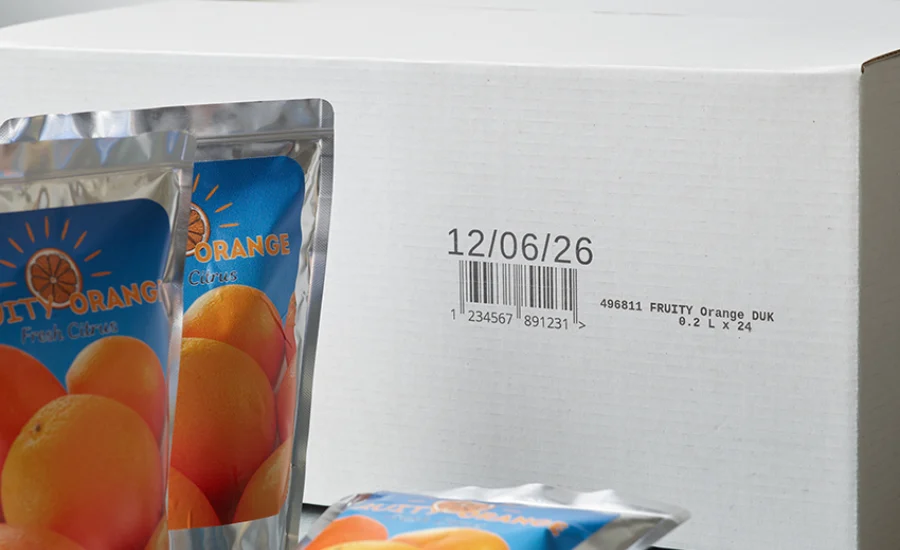
At the heart of the Cx150i is advanced piezo inkjet (PIJ) technology. Unlike older, low-resolution systems, piezo printing allows for exceptional precision, delivering high-contrast text, intricate graphics, and GS1-compliant barcodes that are essential for traceability in modern logistics. The "i" in Cx150i signifies the printer’s placement within Domino’s "i-Tech" range, a suite of products designed to improve productivity and reduce downtime through intelligent design. The printer’s compact footprint is a critical feature for manufacturers with limited floor space or complex production line configurations. By integrating a small-form-factor printhead with a robust industrial chassis, Domino has ensured that the Cx150i can be easily retrofitted into existing packaging lines without requiring massive structural overhauls.
Sustainability is the cornerstone of the Cx150i’s value proposition. One of the most significant breakthroughs associated with this release is the use of vegetable-oil-based ink. Traditional industrial inks often contain volatile organic compounds (VOCs) or mineral oils (MOSH/MOAH), which can pose risks to worker safety and complicate the recycling process for corrugated cardboard. Domino’s vegetable-oil-based ink is non-toxic, non-hazardous, and specifically formulated to penetrate porous surfaces like cardboard and paperboard without bleeding or smudging. This ensures that the coding remains legible throughout the entire lifecycle of the package, from the warehouse to the retail shelf. Furthermore, by removing the plastic and paper waste associated with labels, manufacturers can significantly reduce their Scope 3 emissions and move closer to achieving circular economy targets.
The economic benefits of the Cx150i are equally compelling. David Edwards, Product Manager for Piezo Inkjet at Domino Printing Sciences, highlights that the system offers substantial cost-of-ownership savings. When evaluating the Total Cost of Ownership (TCO), manufacturers must look beyond the initial capital expenditure. Traditional labeling systems involve recurring costs for labels, ribbons, and the labor required to clear jams or replace rolls. In contrast, the Cx150i utilizes a high-capacity ink delivery system that maximizes efficiency and minimizes manual intervention. The printer is also designed to operate without the need for factory compressed air, a common requirement for older inkjet systems that adds to energy costs and installation complexity. By simplifying the mechanical requirements and optimizing ink usage, the Cx150i provides an accessible entry point for small-to-medium enterprises (SMEs) while remaining robust enough for high-volume multinational production facilities.
Operational simplicity is another area where the Cx150i excels. In many food and beverage environments, production staff are required to manage multiple machines simultaneously. A complex coding system can lead to errors, which in turn results in rejected shipments and financial penalties from retailers. The Cx150i is designed with a user-friendly interface that prioritizes "right-first-time" coding. Through the Domino Automation platform, the printer can be integrated directly with a facility’s Manufacturing Execution System (MES) or Enterprise Resource Planning (ERP) software. This connectivity allows for automated message selection and data population, virtually eliminating the risk of human error in the coding process.
Beyond the physical hardware, the Cx150i is a fully connected device that embraces the power of data. Through the Domino Cloud, manufacturers gain real-time visibility into their coding operations. Remote monitoring capabilities allow for the tracking of ink levels, print counts, and machine health from any location. This proactive approach to maintenance is a game-changer for Overall Equipment Effectiveness (OEE). Instead of waiting for a machine to fail, maintenance teams can identify potential issues before they cause downtime, ensuring that the production line remains active and profitable. For businesses striving for "dark factory" levels of automation, the Cx150i provides the digital backbone necessary to manage secondary packaging with minimal human supervision.
To further enhance quality assurance, the Cx150i can be paired with Domino’s R-Series vision solutions. In a typical setup, the printer applies the code, and an downstream camera system immediately scans and verifies it. If a code is found to be illegible or incorrect—perhaps due to a damaged box or a conveyor misalignment—the system can automatically alert the operator or trigger a reject mechanism. This end-to-end quality assurance setup is particularly vital in industries like pharmaceuticals or high-end food production, where data integrity is a regulatory requirement.
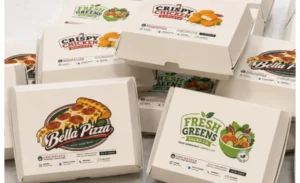
The market for the Cx150i is vast. In the food industry, where margins are often thin and throughput is high, the ability to lower the cost per code while improving environmental credentials is a powerful combination. In the beverage sector, where moisture and temperature fluctuations can sometimes cause labels to peel or degrade, direct-to-box inkjet printing offers a more permanent and reliable solution. General manufacturing, ranging from automotive parts to consumer electronics, also stands to benefit from the printer’s ability to handle high-resolution graphics, allowing brands to print logos or marketing messages directly onto their shipping containers, effectively turning a plain brown box into a branded asset.
Domino’s commitment to innovation is backed by its parent company, Brother Industries, which has provided the technological and financial scale to push the boundaries of inkjet development. The launch of the Cx150i is a testament to this synergy, combining Domino’s deep understanding of industrial coding with the precision engineering of Brother’s printhead technology. As global regulations regarding packaging waste and traceability become more stringent—such as the European Union’s Packaging and Packaging Waste Regulation (PPWR)—solutions like the Cx150i will become essential tools for compliance.
In conclusion, the Domino Cx150i represents more than just a new piece of hardware; it is a holistic solution to some of the most pressing challenges in modern manufacturing. By prioritizing sustainability through vegetable-oil inks, reducing operational costs through high-efficiency piezo technology, and ensuring future-readiness through advanced cloud connectivity, Domino has set a new benchmark for secondary packaging coding. For manufacturers looking to balance the demands of the bottom line with the responsibilities of environmental stewardship, the Cx150i offers a clear path forward, proving that industrial performance and ecological consciousness can indeed go hand in hand. As the industry continues to move away from the "take-make-waste" model of the past, direct-to-box coding solutions like the Cx150i will undoubtedly play a central role in the smart, sustainable factories of tomorrow.