
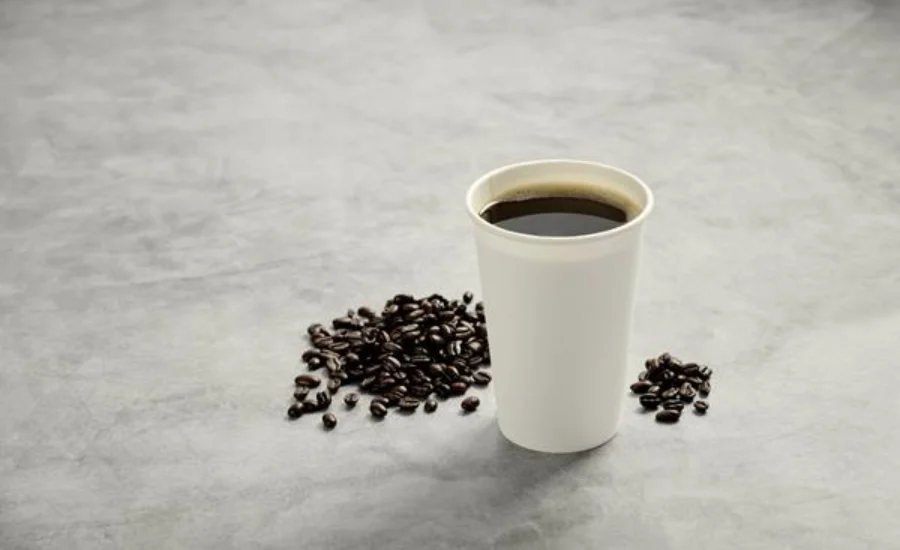
The global packaging industry is currently standing at a critical crossroads, caught between the indispensable utility of single-use containers and an escalating environmental crisis driven by plastic pollution. For decades, the paper cup—a staple of modern convenience—has harbored a hidden environmental secret: a thin, fossil-based plastic lining that renders the vessel nearly impossible to compost and difficult to recycle. Breaking this cycle of waste requires more than just incremental changes; it demands a fundamental shift in material science. Addressing this urgent need, CJ Biomaterials, Inc., a primary producer of polyhydroxyalkanoate (PHA) biopolymers and a subsidiary of the South Korean conglomerate CJ CheilJedang, has announced the commercial launch of PHACT™ CB0504A. This new, all-PHA compound represents a significant leap forward in extrusion coating technology, offering a high-performance, home-compostable alternative to traditional petroleum-based resins.
The introduction of PHACT CB0504A comes at a time when the foodservice industry is under intense pressure from both regulators and consumers to eliminate "forever chemicals" and non-degradable plastics from the supply chain. As governments across North America and Europe tighten restrictions on single-use plastics and PFAS (per- and polyfluoroalkyl substances), the race is on to find materials that do not sacrifice functionality for the sake of sustainability. CJ Biomaterials’ latest innovation is designed specifically for paper-based packaging, including hot and cold beverage cups, food trays, and various other foodservice applications, providing the necessary barrier properties without the environmental baggage of polyethylene (PE) or other synthetic polymers.
At the heart of this innovation is the unique molecular architecture of the resin. PHACT CB0504A is the first extrusion coating on the market to be formulated using a sophisticated blend of amorphous PHA (aPHA) and semi-crystalline PHA (scPHA). This "best of both worlds" approach allows the material to overcome the historical limitations of bioplastics. The compound utilizes CJ Biomaterials’ proprietary PHACT A1000P, an amorphous PHA that is inherently soft and flexible. This component is crucial because it reduces the brittleness typically associated with bio-based resins, enhancing the material’s processability and ensuring it can withstand the rigors of high-speed manufacturing. Complementing this is PHACT S1000P, a semi-crystalline PHA that provides the structural integrity and high-heat stability required for demanding applications, such as cups containing near-boiling coffee or tea.
The environmental credentials of PHACT CB0504A are among the most robust in the industry. The compound has already secured several prestigious certifications from TÜV Austria, including OK compost Home, OK compost Industrial, and OK biodegradable MARINE. These certifications are not merely badges of honor; they represent a fundamental difference in how the material interacts with the natural world. While many "biodegradable" plastics require the intense heat and microbial activity of industrial composting facilities to break down, CJ Biomaterials’ home-compostable certification means that this coating can degrade in a backyard compost bin. Furthermore, its marine-biodegradable status ensures that should the material accidentally enter the ocean, it will not persist for centuries or contribute to the growing problem of marine microplastics.
One of the most significant advantages of this new PHA compound is its total absence of PFAS. For years, PFAS were the industry standard for providing oil and grease resistance in food packaging. However, as evidence of their persistence in the human body and the environment has mounted, they have become a primary target for environmental advocates and health officials. PHACT CB0504A provides a naturally grease-resistant barrier through its bio-based chemistry, derived from the fermentation of renewable sugars. This allows brands to maintain the performance their customers expect—preventing leaks and soggy paper—while completely bypassing the health risks associated with fluorinated chemicals.
The transition to sustainable materials is often hindered by the high cost of retooling existing manufacturing infrastructure. CJ Biomaterials has addressed this challenge by ensuring that PHACT CB0504A is "drop-in" compatible with many existing production lines. Specifically, the resin is designed to run efficiently on extrusion coating lines currently configured for polylactic acid (PLA). This compatibility allows converters and packaging manufacturers to pivot to home-compostable solutions with minimal capital investment or downtime. By lowering the barrier to entry, CJ Biomaterials is accelerating the adoption of PHA technology across the broader packaging market.
Adam Johnson, the Director of Business Development and Product Strategy at CJ Biomaterials, emphasized that the launch of this new grade is about more than just providing a new product; it is about enabling a circular economy. By earning both home and industrial composting certifications, the material facilitates "organics diversion." This means that instead of paper cups ending up in landfills where they produce methane, they can be collected along with food scraps and turned into nutrient-rich compost. This creates a closed-loop system where the packaging that delivers food eventually helps grow the next generation of agricultural products.
The safety of the material is further underscored by its regulatory status. The PHA grades used in PHACT CB0504A are included in the U.S. Food and Drug Administration (FDA) Inventory of Effective Food Contact Substances (FCS). This allows the material to be used in a wide variety of food-contact applications in the United States, ranging from rigid containers to flexible films. For global food brands, this regulatory approval is a critical prerequisite for scaling sustainable packaging solutions across diverse geographic markets.
To demonstrate the real-world viability of this technology, CJ Biomaterials has chosen a high-profile stage for its public debut. The first cups coated with PHACT CB0504A will be showcased at THE CJ CUP Byron Nelson, a premier PGA TOUR event taking place in McKinney, Texas, in May 2026. Professional sports venues are notorious for generating massive amounts of single-use waste in short periods, making them the perfect laboratory for testing large-scale composting initiatives. By replacing traditional cups with PHA-coated versions at such a major event, CJ Biomaterials is proving that sustainable packaging can meet the performance demands of high-volume foodservice environments while simplifying waste management logistics.
The parent company, CJ CheilJedang, is no stranger to the world of food and packaging innovation. Recognized as one of the "Top 100 Food & Beverage Packaging Companies," the South Korean giant has leveraged its deep expertise in biotechnology and fermentation to become a world leader in PHA production. Unlike other bioplastics that rely on chemical synthesis, PHA is produced by microorganisms that consume carbon sources (like sugars or oils) and store the energy as a polymer within their cells—essentially a natural form of "fat." When the polymer is harvested and processed into resins like PHACT CB0504A, it remains a biological material that other microbes in the soil or water recognize as food, which is why it biodegrades so effectively.
Looking ahead, the launch of PHACT CB0504A is expected to trigger a ripple effect throughout the packaging industry. As more brands seek to meet ESG (Environmental, Social, and Governance) goals and comply with increasingly strict environmental laws, the demand for truly compostable coatings will likely surge. CJ Biomaterials is positioning itself as a key partner for companies looking to lead this transition. By providing a material that offers liquid, oil, and grease resistance without the use of fossil fuels or toxic additives, they are effectively removing the final excuses for the continued use of non-recyclable plastic linings in paper packaging.
In a world increasingly wary of "greenwashing," the transparency and third-party certification of CJ Biomaterials’ new resin offer a clear path forward. The combination of high-performance engineering, regulatory approval, and genuine end-of-life versatility makes PHACT CB0504A a landmark development in the quest for a plastic-free future. As the industry gathers in Texas this May to witness the first cups in action, the message will be clear: the technology to solve the paper cup waste problem is no longer a distant hope—it is commercially available and ready to scale. Through continuous innovation in PHA biopolymers, CJ Biomaterials is not just changing how we package our food; they are changing the environmental footprint of modern life.