
The landscape of the American grocery store is undergoing a quiet but profound metamorphosis. For decades, the consumer packaged goods (CPG) industry was built on a foundation of "more"—more volume, more value, and more indulgence. However, a seismic shift in human biology, driven by the meteoric rise of GLP-1 receptor agonists like Ozempic, Wegovy, and Zepbound, is rendering the traditional food marketing playbook obsolete. As millions of consumers experience a medically induced suppression of appetite and a fundamental change in food cravings, the industry is discovering that the way food is packaged is just as critical as the food itself. This is not merely a passing health fad; it is a structural realignment of the food economy that demands a total reimagining of how products are sized, sealed, and presented on the shelf.
For food manufacturers and retailers, the warning signs are no longer anecdotal. Market data suggests that households with at least one member using a GLP-1 medication are spending significantly less on high-calorie, highly processed snacks. According to recent analytics from Circana and Morgan Stanley, these households are reducing their intake of sugary carbonated beverages, cookies, and salty snacks by as much as 60% to 90%. Conversely, there is a marked uptick in the consumption of lean proteins, fresh produce, and nutrient-dense "micro-meals." The challenge for the food industry is not a total disappearance of demand, but rather a misalignment between current packaging formats and the new reality of the biological consumer.

The biological mechanism of GLP-1 drugs—semaglutide and tirzepatide—functions by mimicking hormones that signal satiety to the brain and slowing gastric emptying. For the consumer, this translates to feeling full much faster and for much longer. Consequently, the standard "family size" bag or the "super-sized" meal deal has transitioned from a value proposition to a source of friction. When a consumer can only consume a third of what they used to, a large, non-resealable package becomes a symbol of waste. This is where companies like Inline Plastics are identifying a critical pivot point: the transition from volume-based packaging to precision-based packaging.
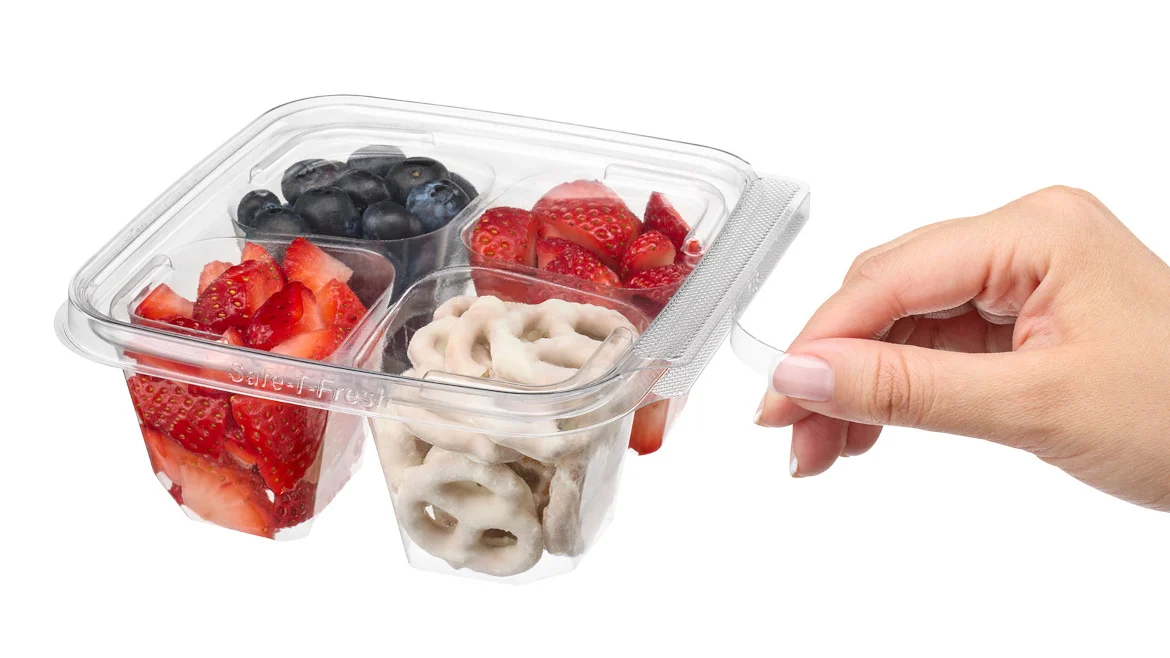
The first major trend emerging from this shift is the "Micro-Portion Revolution." As GLP-1 users gravitate toward smaller, more frequent "fueling moments" rather than three large daily meals, the demand for single-serve, portion-controlled containers has skyrocketed. This isn’t just about shrinking a box; it’s about engineering a package that reflects a "quality over quantity" mindset. Packaging formats such as Inline Plastics’ TS3004 and TS3006—designed specifically for single-serve snacks and controlled portions—allow consumers to engage with a product without the guilt of impending waste. For the food brand, this offers a unique opportunity to maintain margins; while the volume of food sold may decrease, the "per-ounce" value of high-quality, perfectly portioned packaging often commands a premium.
Beyond size, the functionality of the package has become a primary driver of the purchasing decision. Because GLP-1 users eat more slowly and may take several hours to finish a single small meal, the ability to reseal a container is no longer a luxury—it is a requirement. If a consumer buys a prepared salad or a protein bistro box and can only finish half, the packaging must ensure that the remaining portion stays as fresh and appetizing as it was at the first bite. This has led to an increased reliance on high-clarity, airtight, and resealable technology. Compartmentalization is also playing a vital role. Containers like the TSSB4CD four-compartment model allow for the separation of proteins, fats, and fibers, catering to the "intentional eating" habits of those who are meticulously tracking their macronutrient intake to prevent muscle loss while on weight-loss medication.

The psychological profile of the GLP-1 consumer is also shifting toward an "aversion-based" selection process. Many users report a newfound sensitivity to greasy, oily, or overly sweet foods. In this environment, visual transparency in packaging becomes a tool for building trust. Consumers want to see the freshness of the ingredients before they commit to a purchase. They are looking for vibrant greens, lean cuts of meat, and clear textures. Packaging that obscures the product or relies too heavily on aggressive, "junk-food" style graphics is increasingly being bypassed in favor of clean, minimalist designs that emphasize transparency and food safety.
Speaking of safety, the rise of the "grab-and-go" health culture has made tamper-evident technology a baseline expectation. In an era where health is being managed through clinical precision, the consumer’s tolerance for compromised food integrity is zero. Tamper-protected features provide the immediate visual assurance that a product has not been touched or contaminated since it left the production facility. For retailers, this is a critical component of brand equity. In the competitive landscape of "better-for-you" convenience, a broken seal is a lost customer.
The economic implications of this shift are staggering. Analysts at Goldman Sachs estimate that the GLP-1 market could reach $100 billion by 2030, with as many as 30 million Americans using these drugs. This represents nearly 9% of the U.S. population. When nearly 1 in 10 consumers fundamentally changes how they eat, the ripple effect through the supply chain is immense. Major CPG players are already reacting; Nestlé recently announced the launch of "Vital Pursuit," a food line specifically formulated for GLP-1 users, focusing on high protein and essential nutrients in smaller portions. However, the success of such lines depends entirely on the vessel in which they are delivered. A nutrient-dense meal for a GLP-1 patient fails if the packaging suggests a "frozen dinner" of the past; it must instead suggest a "fresh, clinical-grade fuel source."

Furthermore, this packaging evolution intersects with the broader movement toward sustainability. While smaller portions might initially seem to suggest more plastic waste, the industry is moving toward "circularity-ready" materials. By using highly recyclable PET (Polyethylene Terephthalate) and reducing the overall footprint of the container, manufacturers can align with the eco-conscious values that often overlap with the health-conscious demographic using GLP-1 medications. The goal is a package that is as lean as the consumer’s new diet.
For food businesses, the takeaway is clear: the era of "one size fits all" is over. The "Ozempic Economy" rewards flexibility and intentionality. Retailers must audit their shelves to see if their private-label offerings are still serving a consumer base that no longer wants 32-ounce tubs of potato salad but instead craves 6-ounce, high-protein snack packs with secure, resealable lids. Manufacturers must ask if their current assembly lines can handle the shift from bulk filling to precision compartmentalization.
As we move further into this new era, packaging will no longer be viewed as a secondary concern to the product inside. It is the primary interface between a changing human biology and a multi-trillion-dollar industry. Those who recognize that the "how" of eating has changed as much as the "what" will be the ones who thrive. Companies like Inline Plastics are providing the blueprints for this transition, offering solutions that prioritize portion control, freshness, and visible safety. In the end, the GLP-1 revolution is a wake-up call for the food industry to stop selling volume and start selling value, one perfectly packaged portion at a time. The businesses that adapt now will not only survive the shrinking of the American appetite—they will lead the next generation of the global food market.