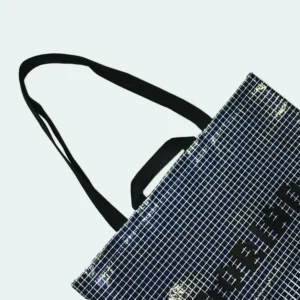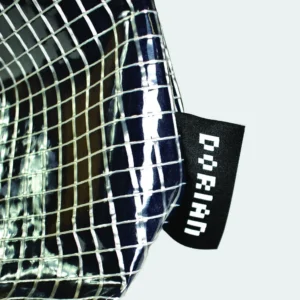


In the modern landscape of retail and corporate branding, the "off-the-shelf" solution is rapidly losing its luster. As businesses strive for authenticity and creators seek to build unique intellectual property, the demand for specialized, custom-built carry solutions has surged. At the heart of this movement is The Bag Workshop, a specialized design and production partner that functions as a critical bridge between a visionary’s initial concept and the complex realities of international manufacturing. By navigating the technical, ethical, and logistical hurdles of bag creation, they empower brands to move beyond generic templates and into the realm of bespoke craftsmanship.
The Role of a Design and Production Bridge
The journey from a creative spark to a retail-ready product is fraught with technical pitfalls. Many brands possess the aesthetic vision but lack the engineering vocabulary required to communicate with industrial factories. The Bag Workshop fills this vacuum by acting as a technical consultant and project manager. Their expertise is not limited to a single niche; rather, it spans the entire spectrum of the industry. From high-performance technical backpacks designed for rugged environments to avant-garde fashion pieces seen on runways, and from sustainable grocery totes to luxury leather-trimmed goods, their philosophy is simple: if a product is designed to be carried, they have the expertise to build it.
This partnership is particularly vital for influencer unboxing experiences and high-end product packaging. In these scenarios, the bag is not merely a container; it is a primary touchpoint of the brand experience. By managing material sourcing and factory relations, The Bag Workshop allows creators to focus on their core business while ensuring the final product meets exacting professional standards.
From Rough Sketches to Technical Blueprints
A common misconception in the manufacturing world is that a client must arrive with finished blueprints. In reality, some of the most iconic products begin as a mood board or a rudimentary pencil drawing. The Bag Workshop’s design process is built to accommodate this early-stage creativity. Their team of designers takes these "napkin sketches" and translates them into comprehensive Technical Specifications and CAD (Computer-Aided Design) drawings.
This transition is facilitated by a "bag fact-finder" process, which helps define the physical architecture of the product. These technical documents serve as the universal language of the factory floor, ensuring that every seam, gusset, and reinforcement is placed with mathematical precision. Without this professional "Tech Pack," details often vanish in translation, leading to costly errors and inferior samples.
Material Science and the Library of Choice
One of the most significant advantages of bespoke manufacturing is the level of control over material selection. Clients are not restricted to what is currently sitting in a factory’s warehouse. Instead, they gain access to a vast library of textiles and hardware. This includes everything from heavy-duty 12oz canvas and organic cotton mesh to sophisticated recycled synthetics.
Material selection is a balancing act between durability, aesthetic appeal, and cost-efficiency. The Bag Workshop utilizes a "value engineering" approach to help clients reach their target price points. If a specific luxury fabric exceeds the budget, the team suggests high-quality alternatives that maintain the "look and feel" of the original design without the prohibitive cost. This transparency regarding budgets is not about spending the client’s limit, but about maximizing the quality achievable within those financial parameters.
Customization and Brand Identity
True bespoke design extends far beyond printing a logo on a pre-existing bag. It involves the total customization of every component. The Bag Workshop offers a full suite of branding options, including:
- Custom Hardware: Zippers, buckles, and rivets embossed with brand logos.
- Interior Details: Custom-printed linings, specialized tech compartments, and woven internal labels.
- External Finishes: Screen printing, high-definition embroidery, leather patches, and specialized stitching patterns.
- Functional Additions: Integrated charging ports, RFID-blocking pockets, or ergonomic strap systems.
Navigating MOQs and Production Timelines
Understanding the economics of manufacturing is essential for any brand. Minimum Order Quantities (MOQs) are often a point of concern for startups. Generally, custom production runs at The Bag Workshop begin between 250 and 500 units. These numbers are driven by the technical requirements of the machinery and the minimum lengths of fabric rolls (bolt sizes) required by textile mills. However, for luxury items or complex multi-style collections, there is often flexibility to discuss lower-volume possibilities.
The timeline for bringing a bespoke bag to market is a marathon, not a sprint. Typically, the sampling phase—where the first physical prototype is created and refined—takes about three weeks. Once the sample is perfected and approved, mass production generally requires between four and twelve weeks. Finally, logistics must be considered: air freight offers a rapid 10-day turnaround, while sea freight is a more cost-effective 5-week journey for larger volumes.
Sustainability and Ethical Manufacturing
In today’s market, "how" a bag is made is just as important as "what" it is made of. The Bag Workshop prioritizes ethical supply chains, utilizing factories that are SEDEX audited. This ensures that labor practices, health and safety standards, and environmental management meet rigorous international benchmarks.
Sustainability is also woven into the material sourcing process. For brands with eco-conscious mandates, the workshop can source Fairtrade cotton, RPET (polyester made from recycled plastic bottles), and innovative bio-leathers like Piñatex (made from pineapple fibers). They also offer "vegan-friendly" manufacturing, which involves a deep dive into the chemical makeup of glues and dyes to ensure no animal by-products are used in the assembly process.
Quality Assurance and "Landed Cost"
A major risk of direct-to-factory manufacturing is the lack of local oversight. The Bag Workshop mitigates this by implementing UK-standard quality control protocols on overseas production. Every batch undergoes rigorous load-bearing tests and seam-strength analysis before leaving the factory.
Furthermore, they simplify the financial complexity of international trade through "landed cost" pricing. This means the quote provided includes manufacturing, shipping, import duties, and taxes. By delivering the product directly to the client’s warehouse door with no hidden fees, they provide the financial predictability that businesses need to manage their margins effectively.
Intellectual Property and the Power of Differentiation
Perhaps the most compelling argument for bespoke design is the ownership of Intellectual Property (IP). When a brand buys an off-the-shelf bag, they are using a template available to their competitors. A bespoke bag, however, is a unique asset. The Bag Workshop operates under strict NDAs (Non-Disclosure Agreements), ensuring that a client’s design remains their exclusive property.
Bespoke design also allows for superior utility. While generic bags are designed for the "average" user, a custom bag can solve specific problems. Whether it is a specialized carry case for medical equipment, a perfectly balanced backpack for cycle commuters, or high-performance gear for extreme weather, bespoke manufacturing allows the form to follow the function perfectly.
The Final Touch: Packaging and the Unboxing Experience
The product journey ends with the "unboxing," a moment that can define a customer’s perception of a brand. The Bag Workshop offers comprehensive retail packaging solutions, including compostable protective bags, custom-branded swing tags, barcodes for SKU management, and premium presentation boxes. This attention to detail ensures that the product is not only protected during transit but arrives in a state that reflects its premium nature.
By acting as a technical, ethical, and logistical anchor, The Bag Workshop transforms the daunting task of custom manufacturing into a streamlined, creative partnership. For brands looking to stand out in a crowded marketplace, the secret lies in moving away from the generic and embracing the limitless possibilities of bespoke design.