
In the modern landscape of high-end retail and corporate branding, the traditional concept of "promotional merchandise" is undergoing a radical transformation. No longer is it sufficient for a brand to simply slap a logo onto a generic, mass-produced item. For premium brands, every touchpoint—including the functional accessories they provide to their clientele—must serve as a seamless extension of their core identity, craftsmanship, and commitment to excellence. This evolution has given rise to the necessity of specialized bag design development, a process that bridges the gap between industrial utility and luxury aesthetics. This case study explores the intricate journey of creating a bespoke, high-performance cooler bag designed specifically to elevate a premium brand’s merchandise suite, demonstrating that when technical engineering meets sophisticated design, the result is more than just a bag; it is a powerful tool for brand reinforcement.
The challenge presented by an established, high-end brand was multifaceted. They required a product that could expand their existing merchandise line without diluting their prestigious market position. The product in question was a thermal cooler bag—an item traditionally associated with utility and outdoor recreation, which often lacks the "luxury" feel. The client’s brief was clear: the bag had to provide flawless thermal and hygienic food protection while maintaining the elegant visual language of their existing product range. This necessitated a partner capable of mastering "bespoke solutions," moving beyond off-the-shelf templates to engineer a product from the ground up.
The design development process began with a deep dive into the brand’s visual DNA. In the luxury sector, color is not merely a preference; it is a signature. One of the most critical phases of this project was achieving a perfect Pantone match for the exterior fabric. Standard "close enough" colors are the hallmark of budget merchandise, but for a premium client, the exterior shade had to be indistinguishable from their established brand guidelines. This required rigorous material sourcing and dye-lot testing to ensure that the fabric—selected for its durability and tactile quality—reflected the brand’s primary palette with absolute precision under various lighting conditions.
However, a bag’s exterior is only half the story. To be truly "fit for purpose," the internal architecture of the cooler bag required sophisticated thermal engineering. The Bag Workshop team focused on creating a multi-layered insulation system. This wasn’t just about keeping items cold; it was about "thermal integrity." By utilizing high-grade internal thermal layers combined with a wipe-clean, food-safe interior lining, the design ensured that hygiene and functionality were prioritized. The selection of materials for the interior was dictated by the need for a non-porous surface that could be easily sanitized, preventing the buildup of bacteria or odors—a common flaw in lower-quality cooler bags. This focus on "hygienic security" speaks to the hidden quality that distinguishes premium goods from their mass-market counterparts.
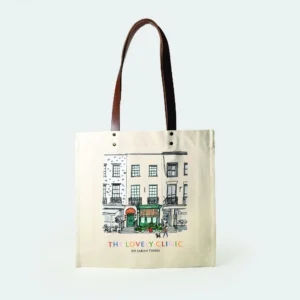
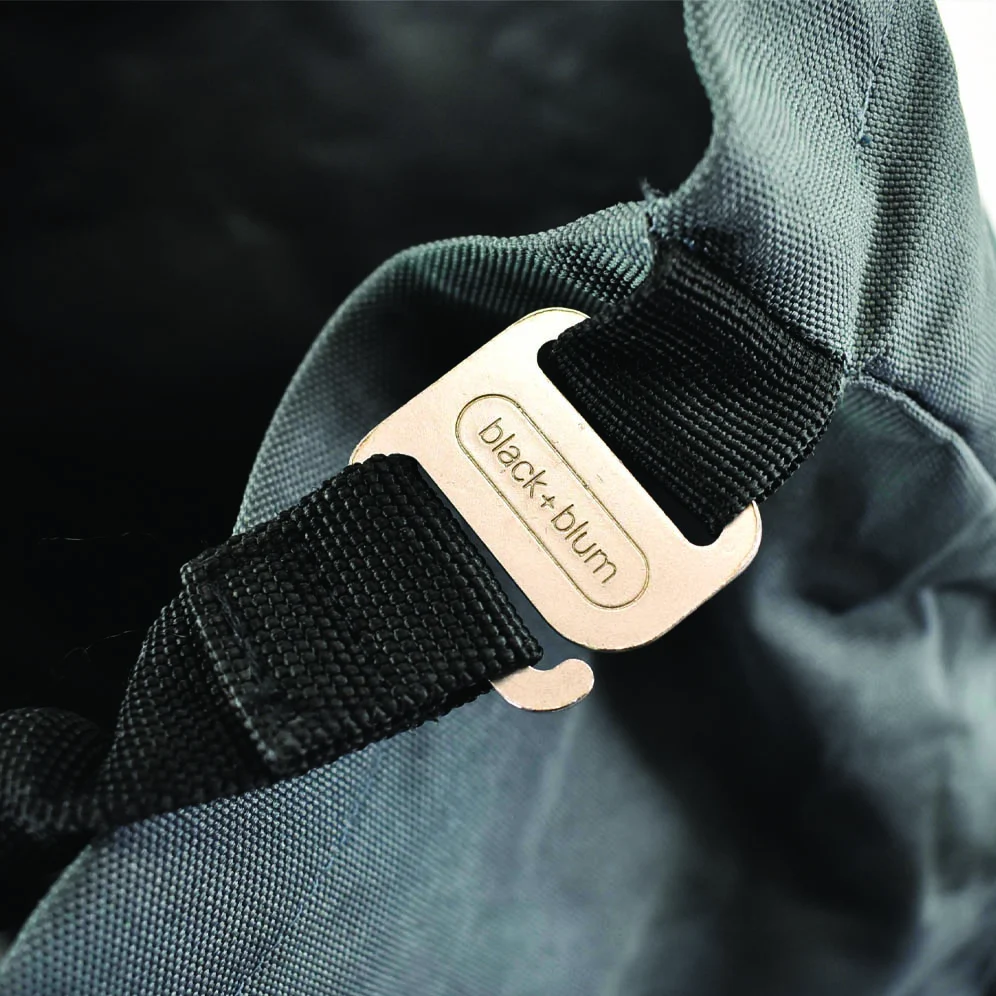
As the project moved into the structural phase, the focus shifted to the "hand-feel" and ergonomics of the bag. The bag design development process involved exploring various closure systems and handle configurations to find a balance between ease of use and aesthetic sophistication. For a premium bag, the "click" of a buckle or the "glide" of a zipper provides a tactile feedback that communicates quality to the user. Instead of standard plastic hardware, the project incorporated custom-engineered components, including adjustable straps and bespoke handles that could withstand the weight of the bag’s contents without compromising the user’s comfort or the bag’s silhouette.
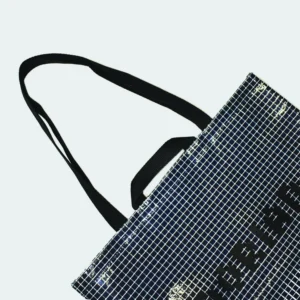
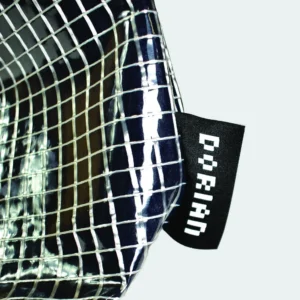
Branding on luxury items requires a "less is more" approach. The goal is "sophisticated branding"—where the logo is an integrated part of the design rather than a loud interruption. For this project, the team moved away from traditional screen printing, which can peel or crack over time, and instead utilized high-definition woven brand labels. These labels offer a textural depth and a level of permanence that aligns with the longevity of a premium product. Furthermore, the incorporation of subtle, engraved metal hardware provided an additional layer of brand storytelling, ensuring that the client’s identity was woven into the very fabric and hardware of the bag.
The development journey was a collaborative effort, moving from initial concept sketches to 3D digital renderings and, eventually, physical sampling. Bag sampling is perhaps the most critical stage of the development cycle. It allows the designers and the client to assess the "drape" of the fabric, the rigidity of the thermal walls, and the overall proportions of the piece. During this stage, the Bag Workshop’s expertise in balancing a project’s budget with high-end aspirations became evident. By making strategic decisions about material weight and construction techniques, the team was able to deliver a product that met "stringent standards for aesthetics and utility" without unnecessary expenditure.
The outcome of this rigorous development process was a cooler bag that defied the category’s utilitarian stereotypes. Upon launch, the product was recognized for its "aesthetic and brand integrity." It didn’t look like a piece of promotional gear; it looked like a high-end retail accessory that belonged in a luxury boutique. From a functional perspective, the bag performed flawlessly, maintaining consistent internal temperatures and providing a robust, easy-to-clean solution for the end user. This success proved that "utility and luxury can coexist" when a project is backed by a structured design methodology.
This case study serves as a blueprint for creative agencies and brand owners looking to elevate their physical assets. The lesson is clear: the value of merchandise is directly proportional to the thought put into its development. A bag that is "fit for purpose" must consider the user’s lifestyle, the brand’s reputation, and the technical requirements of the materials. By treating the bag as an engineered product rather than a simple container, the Bag Workshop and its parent company, The Wurlin Group, demonstrate how bespoke manufacturing can solve complex logistical and branding challenges.
The Wurlin Group’s reach extends far beyond bags. As specialists in the wider field of customized merchandise, including bespoke umbrellas and high-end packaging, they operate with a philosophy of "diligent exploration." This means they don’t just take an order; they partner with clients to explore concepts and develop solutions that are truly unique. With a global supplier reach and a sophisticated understanding of international distribution, they provide a "comprehensive product design development" service that manages every detail from the first sketch to the final delivery.
In an era where brand loyalty is increasingly difficult to maintain, providing customers with high-quality, functional, and beautiful merchandise is a powerful way to foster a lasting connection. A premium cooler bag, designed with the precision of a luxury handbag and the technical specs of professional catering equipment, becomes a mobile billboard for the brand’s values. It tells the story of a company that cares about quality, hygiene, and the user experience.
For those ready to embark on their own journey of bag design development, the path begins with a vision and a commitment to quality. Whether it is a backpack-style cooler with adjustable straps or a sophisticated picnic bag with integrated thermal compartments, the possibilities are limited only by the imagination. By choosing a partner that understands the nuances of Pantone matching, fabric composition, and bespoke hardware, brands can ensure that their merchandise is an asset that reinforces their credibility rather than an afterthought that undermines it. The Bag Workshop continues to lead the way in this specialized field, proving that with the right design development process, any brand can create a product that truly elevates their premium status.