
In the contemporary global marketplace, the distance between a creative concept and a finished retail product can feel like an insurmountable chasm. For American marketing executives, procurement specialists, and brand owners, the quest for the perfect promotional or retail-ready bag often leads to a frustrating binary choice: settle for uninspired, mass-produced "off-the-shelf" items that dilute brand equity, or navigate the treacherous waters of direct overseas manufacturing alone. However, a third, more sophisticated path has emerged. By partnering with a UK-based vendor like The Bag Workshop, American brands are discovering a seamless sourcing model that combines British design precision with global manufacturing scale, all while eliminating the logistical nightmares of international trade.
The shift toward bespoke manufacturing is driven by a fundamental change in consumer behavior. Today’s audience—particularly in the North American market—values authenticity, durability, and ethical transparency. A bag is no longer just a vessel for a logo; it is a tactile extension of a brand’s story. When a company chooses a high-integrity, custom-engineered bag over a generic alternative, it signals a commitment to quality that fosters long-term customer loyalty. The Bag Workshop serves as the essential bridge in this process, acting as a project management powerhouse that translates a visionary "mood board" into a physical product that exceeds retail standards.
The strategic advantage of working with a British partner lies in the shared commitment to "Reassuring British Quality." While the physical assembly of goods may occur within a global network of specialized facilities, the intellectual property, quality control (QC), and project oversight are rooted in British standards of excellence. For an American brand, this means having a partner who speaks the same professional language and operates with a level of precision that ensures the final product is a perfect reflection of the brand’s prestige. This partnership mitigates the "transparency gap" often found in direct-to-factory sourcing, where nuances in material feel, color accuracy, and structural integrity can frequently be lost in translation.
A successful product begins long before the first stitch is sewn, residing in the critical "Design and Technical Development" phase. In the world of premium bag manufacturing, the "Tech Pack" is the most vital document in the supply chain. Much like an architectural blueprint, a professional Tech Pack includes exhaustive material specifications, exact measurements, reinforced stitching patterns, and hardware requirements. The Bag Workshop’s design service specializes in creating these comprehensive dossiers, alongside detailed CAD (Computer-Aided Design) drawings. These 3D-perspective renderings allow procurement teams to visualize the bag from every angle—assessing gusset depth, handle proportions, and pocket placement—before a single dollar is spent on physical sampling. This rigorous preparation ensures that the initial physical prototype is often 95% to 100% accurate, drastically reducing lead times and eliminating the costly "trial and error" cycles that plague less organized sourcing attempts.
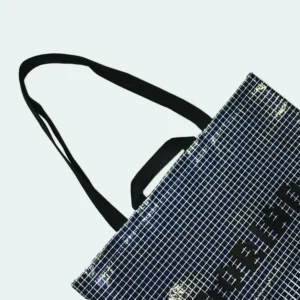
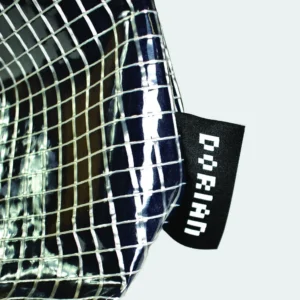
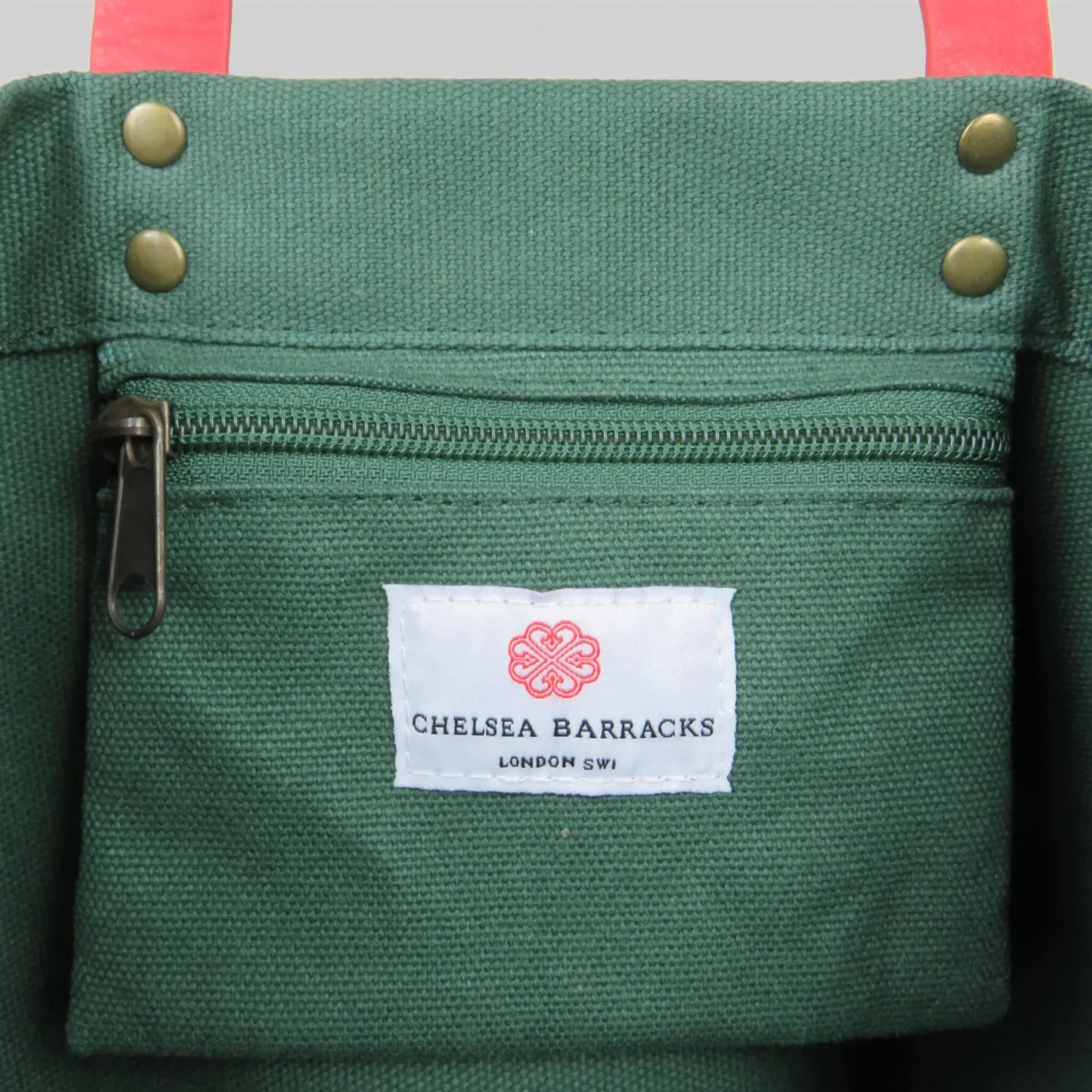
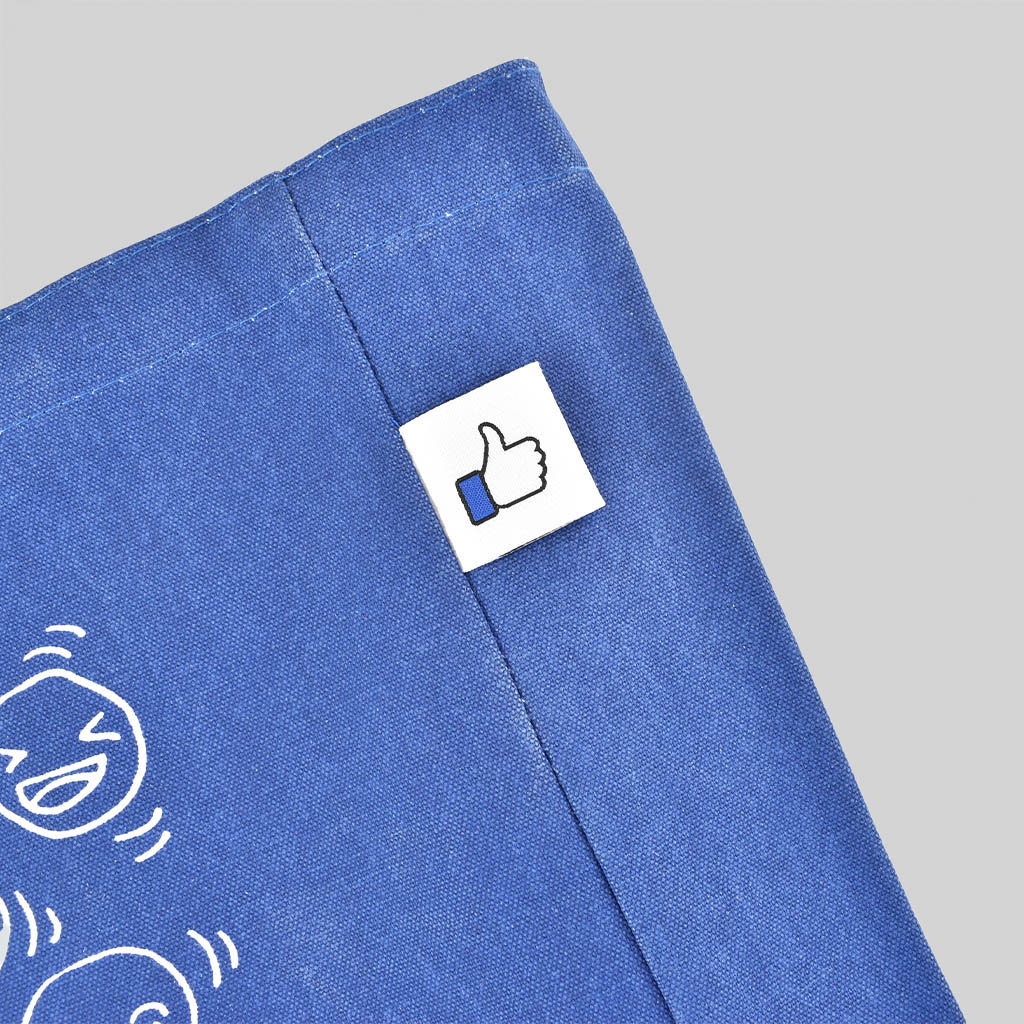
Customization at this level is about more than just choosing a fabric color; it is about total architectural control. The Bag Workshop offers an "End-to-End" customization suite that empowers brands to be the architects of their own products. The options are virtually limitless. Material selection ranges from heavy-duty 16oz organic canvas and GRS-certified recycled PET to luxurious vegan leathers and specialized technical fabrics. Beyond the exterior, brands can specify internal linings with repeat-pattern digital prints, integrated laptop sleeves with shock-absorbent padding, or hidden security pockets. The hardware—often the hallmark of a premium bag—can be fully customized with embossed zip pulls, antique brass rivets, or powder-coated eyelets. Even the branding itself goes beyond simple screen printing; options include intricate embroidery, high-frequency debossing, woven labels, and even "Escape" gold mirror prints for a high-fashion aesthetic.
However, in the modern era, a beautiful product is worthless if its origin is ethically compromised. For American company owners, an ethical supply chain is no longer a "nice-to-have" feature; it is a legal and reputational imperative. Consumers are increasingly savvy, and the rise of ESG (Environmental, Social, and Governance) reporting means that brands must be able to verify the conditions under which their goods are produced. The Bag Workshop addresses this by managing a certified supply chain centered around SEDEX-audited factories. SEDEX (Supplier Ethical Data Exchange) is a world-leading organization that facilitates the sharing of data on labor standards, health and safety, the environment, and business ethics. By utilizing SMETA (SEDEX Members Ethical Trade Audit) reports, The Bag Workshop ensures that every bag is produced in a facility that respects worker rights, provides fair wages, and maintains safe working conditions. This provides American procurement teams with the documented peace of mind required to protect their brand’s integrity in a hyper-critical market.
Perhaps the most significant barrier to transatlantic sourcing is the "Logistics Bottleneck." Many American marketers hesitate to source internationally due to the fear of the "Customs Nightmare"—the unpredictable cocktail of port delays, fluctuating tarrifs, and complex tax filings. The Bag Workshop, as part of the Wurlin Group, eliminates this friction through DDP (Delivered Duty Paid) shipping. Under DDP terms, the vendor acts as the "Importer of Record." This means they handle every aspect of the journey: from the factory floor to the international port, through US Customs and Border Protection, and finally to the client’s doorstep. All duties, taxes, and brokerage fees are calculated and included in the initial quote. For the American client, there are no "hidden costs" or surprise invoices. The price quoted at the start of the project is the final price paid, allowing for precise budget management and stress-free delivery to any US zip code.
Speed and flexibility are the final pillars of this seamless sourcing model. While traditional manufacturers often demand massive Minimum Order Quantities (MOQs) that price out boutique brands or specific marketing activations, The Bag Workshop remains progressive and flexible. With MOQs starting as low as 500 units for highly customized, bespoke designs, they allow brands to test new markets or launch limited-edition collections without the burden of excessive inventory. Furthermore, their "slick" shipping network offers both sea freight for maximum cost-efficiency on bulk orders and air freight for high-priority exhibitions or time-sensitive pop-up events. Typically, sampling is completed within 2–3 weeks, with full production and delivery ranging from 8–12 weeks depending on the complexity of the specification.
The Bag Workshop’s pedigree is evidenced by its portfolio of world-class clients. Having successfully delivered demanding briefs for global icons such as Nike, Beats by Dre, Harrods, the Royal Opera House, and MOMA, they have proven their ability to operate at the highest levels of the luxury and athletic sectors. Whether it is a minimalist tote for a New York museum or a technical fanny pack for a global electronics brand, the approach remains the same: diligent concept exploration, structured project coordination, and flawless execution.
In conclusion, the partnership between an American brand and a UK-managed vendor like The Bag Workshop represents the future of premium sourcing. It is a model that replaces the traditional "transactional" relationship with a "consultative" one. By taking the administrative and technical burden off the client—handling everything from CAD blueprints and ethical audits to "final mile" DDP delivery—The Bag Workshop allows brand owners to focus on what they do best: storytelling and growth. In a world where the details make the brand, having a partner that obsesses over those details as much as you do is the ultimate competitive advantage. For those ready to turn an ambitious concept into a tangible, high-quality reality, the bridge across the Atlantic is already built and open for business.