
In the modern landscape of retail and brand development, the journey from a creative spark to a physical product is often fraught with technical hurdles and logistical complexities. The Bag Workshop stands as a pivotal design and production bridge, specifically engineered to help brands, independent creators, and corporate entities navigate the intricate world of textile manufacturing. By acting as a specialized intermediary, the firm translates abstract sketches and mood boards into retail-ready merchandise, high-impact influencer unboxing kits, and sophisticated product packaging. The core philosophy of the organization is to manage the heavy lifting of material sourcing, technical blueprinting, and manufacturing oversight, allowing the client to focus on their brand vision while the workshop handles the granular details of production.
The scope of modern bag manufacturing is vast, and the workshop does not limit itself to a single niche. Whether a client requires a high-performance technical backpack with ergonomic support, a cutting-edge avant-garde fashion piece for a runway collection, or a sustainable tote for a large-scale promotional event, the capability remains the same. The expertise extends into luxury goods, often incorporating intricate leather detailing, specialized hardware, and complex internal architectures. Essentially, the guiding principle is simple: if a product is designed to be carried, the workshop possesses the technical infrastructure to bring it to life.
The creative process often begins with nothing more than a "napkin sketch" or a digital mood board. Recognizing that many visionaries are not trained industrial designers, The Bag Workshop provides a comprehensive design service that bridges the gap between imagination and reality. This starts with a "bag fact-finder form," a diagnostic tool that helps creators outline their requirements. From these initial data points, professional bag designers create technical CAD (Computer-Aided Design) drawings. These blueprints are essential; they serve as the universal language of the factory floor, ensuring that every seam, pocket, and strap is executed with mathematical precision. Without these technical specifications, the risk of a design being "lost in translation" during overseas production increases exponentially.
Material selection is perhaps the most critical stage in determining a bag’s durability, aesthetic, and price point. The Bag Workshop provides access to an extensive library of textiles, ranging from traditional heavy-weight canvases to revolutionary eco-friendly fabrics. In an era where sustainability is a non-negotiable consumer demand, the workshop offers a suite of "green" options. This includes RPET (recycled polyethylene terephthalate) made from reclaimed plastic bottles, Fairtrade cotton, and organic mesh. For those seeking alternatives to traditional leather, the workshop sources innovative bio-materials such as Piñatex—a natural textile made from pineapple leaf fibers—and recycled ocean plastics. During this phase, "value engineering" becomes a vital service. By understanding a client’s budget from the outset, the team can recommend specific fabric "swap-outs" or construction modifications that maintain the desired look while adhering to financial constraints.
Customization is the cornerstone of the bespoke experience. Beyond the choice of fabric, branding options are nearly limitless. Clients can choose from high-definition silk-screen printing, intricate embroidery, embossed leather patches, or custom-molded metal hardware. Internal customization is equally important, with options for specialized tech compartments, RFID-blocking pockets, or bespoke lining fabrics that feature repeating brand logos. This level of detail transforms a simple utility item into a cohesive brand statement.
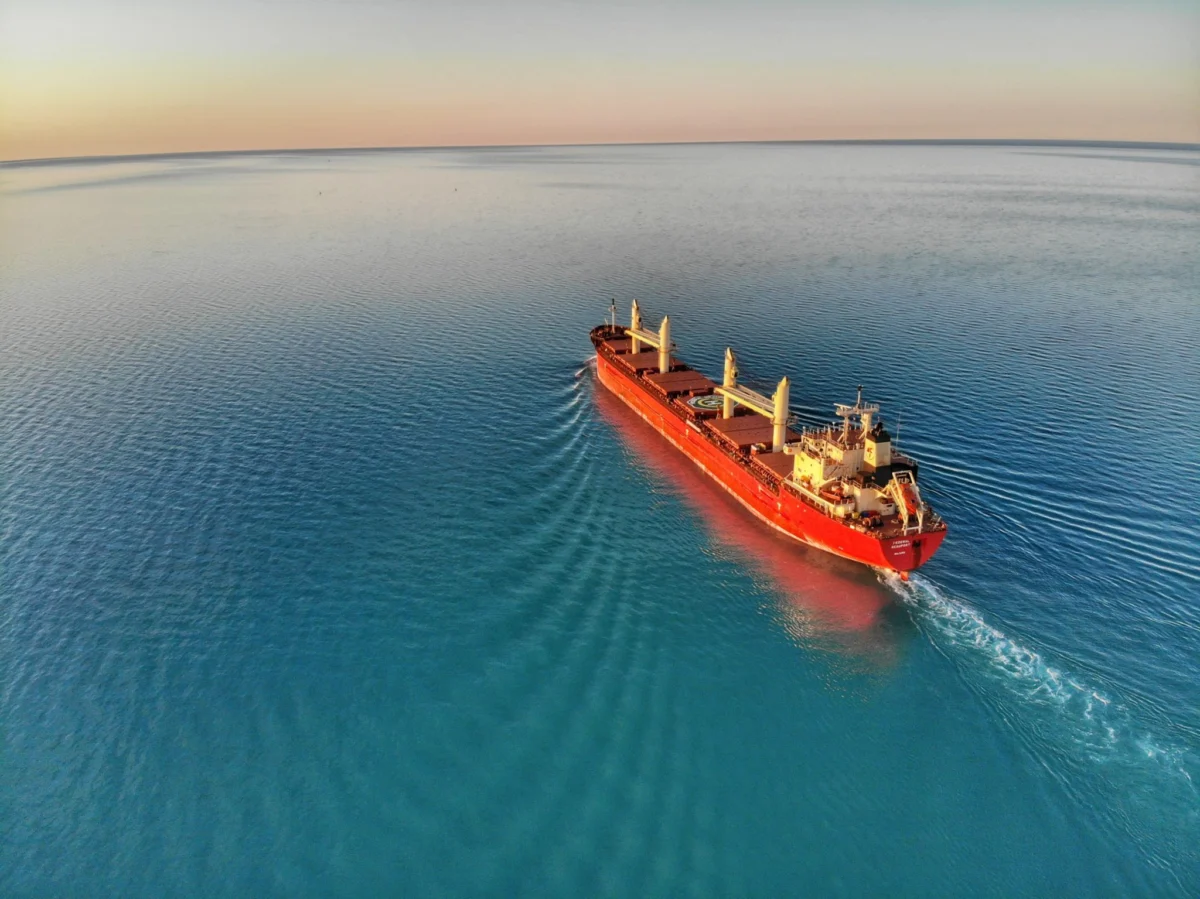
From a logistical standpoint, the transition to mass production is governed by Minimum Order Quantities (MOQs). Generally, custom production runs start between 250 and 500 units, depending on the complexity of the design and the specific fabric requirements. For luxury or highly specialized items, lower volumes can sometimes be negotiated, particularly if the client is developing a multi-style collection. The timeline for this journey is a structured four-phase process. Phase one involves discovery and strategy, where the concept is refined. Phase two focuses on technical development and the creation of the CAD blueprints. Phase three is the prototyping and refinement stage, where a physical sample is produced for the client to test and approve. Finally, phase four covers mass production and delivery. Typically, sampling takes approximately three weeks, while mass production requires between four and twelve weeks. Shipping adds another layer to the timeline, with air freight taking roughly ten days and sea freight spanning up to five weeks.
The Bag Workshop also addresses the often-overlooked aspects of ethics and quality assurance. In today’s market, a brand’s reputation is tied to its supply chain. All partner factories are SEDEX audited, ensuring that labor practices are ethical, safe, and transparent. Quality control is not left to chance; rigorous British-standard protocols are implemented at the source. This means that every bag is inspected for stitch density, load-bearing strength, and color fastness before it ever leaves the factory. This commitment to "UK quality standards" ensures that the final product meets the high expectations of the British and international premium markets.
Furthermore, the workshop tackles the technical nuances of durability and environmental resistance. There is a significant difference between a bag that is "water-resistant" and one that is truly "waterproof." The former might rely on a Simple Durable Water Repellent (DWR) coating, while the latter requires advanced techniques like seam-taping and the integration of waterproof zippers. Similarly, load-bearing tests can be conducted to ensure that handles and straps do not fail under specific weight loads, providing peace of mind for brands selling technical or industrial-use gear.
Intellectual Property (IP) is another area where the workshop provides essential security. Unlike off-the-shelf "white label" products that can be purchased and branded by any company, a bespoke design created through the workshop remains the exclusive property of the client. To reinforce this, the workshop frequently signs Non-Disclosure Agreements (NDAs), ensuring that unique concepts and proprietary designs are protected from the moment of inception. This allows a brand to create a "walking billboard" that is entirely unique to their identity, solving specific ergonomic or utility problems that generic bags simply cannot address.
The final stage of the process is the "unboxing experience." The Bag Workshop recognizes that in the age of social media, the way a product arrives is as important as the product itself. They offer comprehensive retail packaging services, which include custom-branded boxes, compostable dust bags, swing tags with barcodes, and even silica gel packets for moisture protection. Orders are typically shipped in secure cardboard cartons, with items packed in groups of ten within eco-friendly protective layers.
For those still debating the merits of bespoke manufacturing versus purchasing ready-made stock, the argument for custom design centers on differentiation. A bespoke bag is a long-term investment in brand equity. It allows for total control over the material footprint, the ability to solve niche user problems, and the opportunity to command a premium retail price due to higher perceived value. By acting as the technical and linguistic bridge to global factories, The Bag Workshop eliminates the common pitfalls of direct-to-factory attempts, such as failed samples and communication breakdowns. For creators ready to move from concept to cargo, the workshop can be reached at 01225 667979 or via email at [email protected]. To begin the process, prospective clients are encouraged to complete the Bag Design Specifications Form, a foundational document that helps frame the vision and sets the stage for a successful production partnership.