
The global appetite for portable power is insatiable. From the remote controls that command our entertainment systems to the smoke detectors that safeguard our homes, alkaline batteries remain an essential, if often overlooked, component of modern life. However, this convenience has historically come with a staggering environmental price tag. Each year, billions of single-use batteries are sold globally, the vast majority of which are encased in difficult-to-recycle plastic "blister" packs and eventually find their way into landfills, where they contribute to heavy metal leaching and long-term soil contamination. Into this high-stakes environmental landscape steps Better Battery Co. (BBCo.), a disruptive force that is redefining what it means to be a sustainable energy provider in the 21st century.
As the world’s first carbon-neutral alkaline battery company, Better Battery Co. is not merely participating in the green energy transition; it is leading it. The company recently announced a major milestone in its sustainability roadmap: the complete elimination of plastic packaging across its entire North American product line. This move places BBCo. at the forefront of the retail industry, challenging the status quo of "Big Battery" conglomerates that have long relied on petroleum-based plastics for display and durability. By stripping away the unnecessary polymers, BBCo. is addressing the dual crises of plastic pollution and carbon emissions simultaneously.
The decision to go plastic-free is more than a branding exercise; it is a response to a growing consumer demand for radical transparency and corporate responsibility. Traditional battery packaging—often composed of PVC or PET plastic fused to cardboard—is a recycler’s nightmare. These multi-material components are frequently rejected by municipal recycling facilities, destined instead for incineration or the ocean. BBCo. has bypassed this issue entirely by engineering packaging that is as functional as it is eco-friendly. Their small pack configurations and larger kits utilize high-quality, recyclable paperboard, ensuring that once the batteries are in use, the vessel that carried them leaves no permanent footprint.
This initiative is a cornerstone of the company’s broader commitment to carbon neutrality. To achieve this status, Better Battery Co. conducts a rigorous lifecycle analysis of its products, accounting for the carbon footprint generated during raw material extraction, manufacturing, transportation, and eventual disposal. By optimizing its supply chain and investing in high-quality carbon offset projects, BBCo. ensures that every battery purchased has a net-zero impact on the global climate. This holistic approach distinguishes the company from competitors who may focus on a single aspect of sustainability while ignoring the systemic impact of their operations.
Central to the BBCo. philosophy is the concept of the "circular economy." While most battery manufacturers consider their responsibility finished the moment a product is sold, BBCo. views the sale as the beginning of a long-term partnership with the consumer. This is most evident in their innovative "kit" product line. Designed to solve the ubiquitous problem of the "junk drawer"—that chaotic repository of loose, half-dead batteries found in almost every household—the BBCo. kit serves as both a storage solution and a recycling portal.
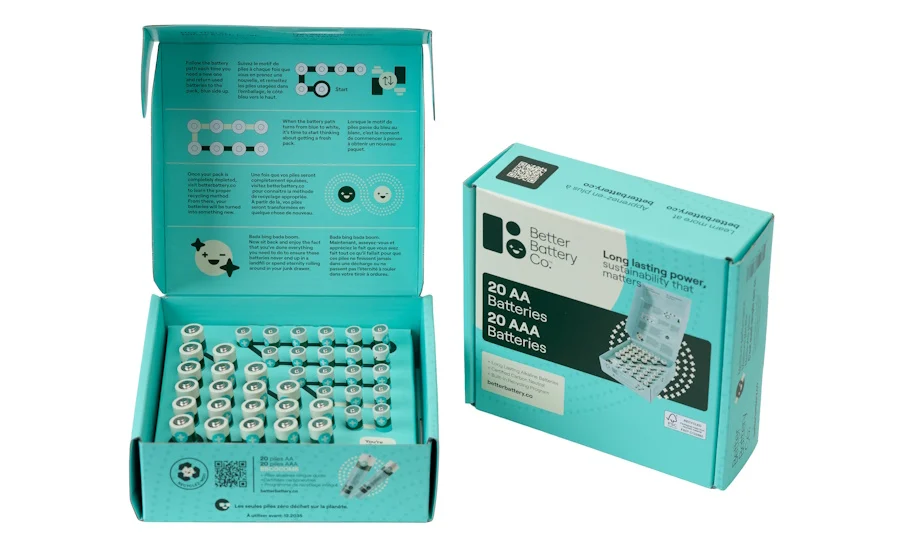
Each kit, available in configurations such as the AA40, AAA40, or a 20/20 Combo, comes in a sturdy, 100% recyclable box with built-in dividers to keep new batteries organized. The true innovation, however, lies in the "built-in recycling" feature. Every kit includes access to a prepaid shipping label. Once the batteries have been depleted, the consumer simply places them back into the original box, applies the label, and sends them off to a certified recycling partner. This closed-loop system removes the primary barrier to battery recycling: inconvenience. By providing a clear, cost-free path for responsible disposal, BBCo. is effectively diverting thousands of pounds of hazardous waste from landfills every year.
The technical specifications of their product line are designed to meet the diverse needs of the modern household without compromising on performance or affordability. For consumers looking for smaller quantities, BBCo. offers seven distinct "Small Pack" SKUs. These include:
- AA8 and AA16 (The workhorses of the household)
- AAA8 and AAA16 (Essential for small electronics and remotes)
- 9V2 (Critical for smoke alarms)
- C4 and D4 (Powering high-drain devices like flashlights and toys)
Despite their "green" credentials, these batteries are engineered to perform at the highest levels. BBCo. understands that for sustainable products to become the new standard, they must match the reliability of the market leaders. Their alkaline cells are designed for long-lasting power and a shelf life that rivals traditional brands, ensuring that eco-conscious consumers do not have to sacrifice quality for their values.
Jaclyn Byles, the Co-Founder of Better Battery Co., emphasizes that the company’s mission is rooted in collaboration and accessibility. “We are excited to partner with retailers who share our vision of reducing waste and making sustainable products the new standard,” Byles stated. This vision is rapidly gaining traction in the retail sector. BBCo. has successfully secured shelf space and digital storefront presence with some of the most influential names in commerce. From regional powerhouses like Wegmans to sustainability-focused platforms like Grove Collaborative, and even retail giants like Walmart and Home Hardware, the message is clear: the market is ready for a better battery.
The expansion into major retailers like Walmart is particularly significant. It signals that sustainability is moving from a niche "boutique" concern to a mainstream expectation. When a company like BBCo. can offer a carbon-neutral, plastic-free alternative at a price point that remains competitive, it removes the "green premium" that often prevents middle-income families from making environmentally friendly choices. This democratization of sustainability is essential for achieving the scale of change required to combat climate change.
Beyond the immediate benefits of plastic reduction and carbon offsetting, Better Battery Co. is also playing a role in public education. Most consumers are unaware that alkaline batteries, while less toxic than the lead-acid or nickel-cadmium batteries of the past, still contain valuable metals like zinc and manganese that can be reclaimed and reused in industrial applications. By advocating for recycling "wherever available" and providing their own mail-in solution, BBCo. is fostering a more informed and proactive consumer base.
The broader implications of BBCo.’s business model are profound. As governments around the world, particularly in the European Union and parts of North America, introduce stricter "Extended Producer Responsibility" (EPR) laws, companies that have already integrated circularity into their DNA will be the ones that thrive. BBCo. is not just reacting to regulations; it is setting the pace for them. Their model proves that it is possible to build a profitable, scalable business while prioritizing the health of the planet.
As we look toward the future, the role of the single-use battery may eventually diminish in favor of rechargeable technologies. However, for the foreseeable future, alkaline batteries remain a necessity for billions of devices. In this transition period, Better Battery Co. provides the bridge we need. By eliminating plastic, neutralizing carbon, and closing the loop on recycling, they have transformed a commodity product into a tool for environmental activism.
Every time a consumer reaches for a BBCo. pack at a Wegmans or orders a kit from Grove Collaborative, they are casting a vote for a different kind of economy—one where waste is a design flaw rather than an inevitability. Better Battery Co. has successfully demonstrated that the power to change the world doesn’t just come from large-scale policy shifts; it can also be found in the small, everyday items we keep in our kitchen drawers. Through innovation, transparency, and a relentless focus on the lifecycle of their products, BBCo. is truly charging the way toward a cleaner, more sustainable future for all.