
The contemporary market for personal carry solutions—from luxury handbags to everyday utility pouches—is defined by a profound and fascinating dichotomy. On one end of the spectrum resides the artisanal masterpiece: the Hand-Carved Vegetable-Tanned Leather Large Tote, representing heritage, sustainability, and investment quality. On the opposing end sits the viral e-commerce sensation: the budget-friendly, highly functional mini sling bag, exemplified by products like the higouta model, which prioritize immediate utility and affordability. This polarization reflects deeper trends in consumer behavior, forcing platforms like CanvasBag.Co to curate offerings that appeal equally to the discerning collector seeking enduring quality and the practical consumer demanding high value at minimal cost. Understanding this duality is crucial for charting the future trajectory of the accessory industry, where timeless craftsmanship and disposable convenience often exist side-by-side.
The Apex of Craftsmanship: The Hand-Carved Vegetable-Tanned Tote
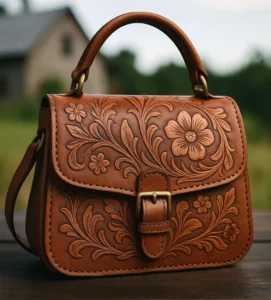
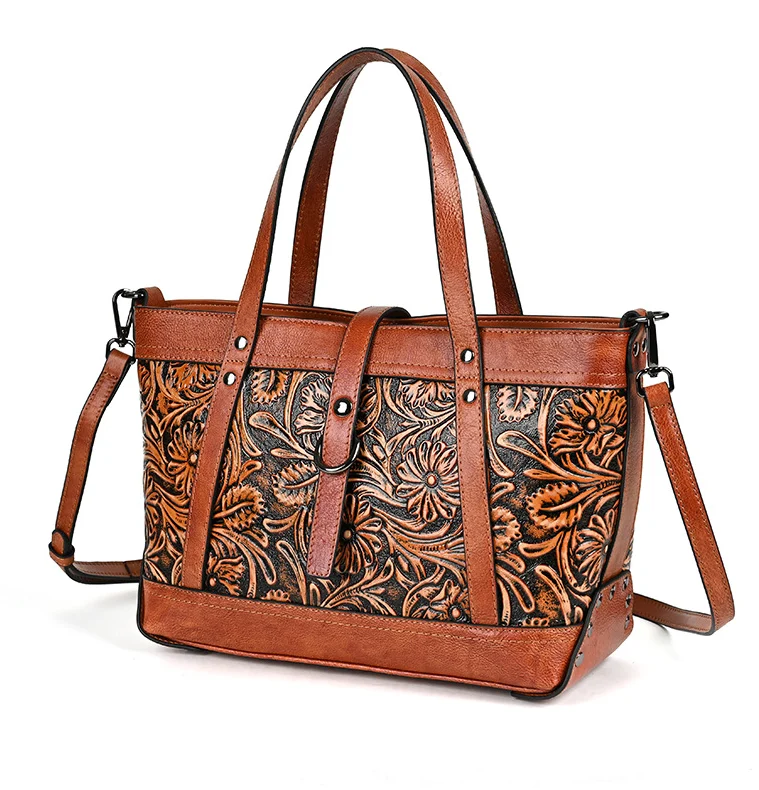
The concept of the "Hand-Carved Vegetable-Tanned Leather Large Tote" transcends mere functionality; it is an artifact of slow fashion and enduring commitment to material integrity. Vegetable tanning, an ancient method dating back millennia, utilizes natural tannins derived from tree bark, roots, and leaves—a process starkly contrasted with the rapid, chemically intensive chrome tanning that dominates 90% of the global leather industry. This natural method is environmentally superior, yielding leather that is stiff, durable, and rich in character, requiring weeks or even months to cure properly.
What elevates this specific tote category is the addition of hand carving. This intricate process involves skilled artisans using specialized swivel knives and stamping tools to etch detailed, bespoke designs onto the leather surface. These designs—often geometric patterns, floral motifs, or complex narrative scenes—transform the bag from a simple container into a piece of wearable art. The resulting aesthetic is robust, unique, and deeply personal, appealing to a clientele that values provenance and rarity over mass production.
Furthermore, vegetable-tanned leather is prized for its ability to develop a rich, unique patina over time. Unlike synthetic materials or chrome-tanned leather, the vegetable-tanned surface reacts dynamically to sunlight, oils from the skin, and environmental exposure. This patination process darkens the leather, smoothing the carved contours and telling the story of the bag’s use. For the luxury consumer, this is not depreciation; it is an enhancement—a testament to the bag’s quality as a lifelong investment. The "large tote" format itself speaks to utility balanced with elegance, designed to accommodate the demands of a modern professional or traveler while maintaining a stately, sophisticated presence. The integration of canvas into the overall design, often used for internal linings or structural components, ensures a lighter weight and added durability, marrying the ruggedness of leather with the flexibility of a natural fiber.
This category of bag is a statement against obsolescence. Its high price point—often stretching into four figures due to the cost of raw materials and the time invested in carving—reflects its sustainable nature and longevity. Consumers buying these totes are often focused on ethical sourcing, minimizing their fashion footprint, and acquiring items meant to be passed down through generations.
The E-Commerce Phenomenon: Utility, Affordability, and Viral Success
In stark contrast to the slow, deliberate craft of the hand-carved tote, the market is currently saturated with ultra-affordable, highly specialized utility bags, perfectly exemplified by the higouta Mini Sling Bag for Men Women. This product category thrives on speed, volume, and digital optimization. The data associated with this particular product, even years in the future, highlights the staggering scale of modern e-commerce success.
As of early 2026, this small crossbody bag was listed at an accessible price point of $13.49. This price is not merely competitive; it positions the bag as an impulse purchase—a negligible investment that solves an immediate, tangible problem. The core function of the sling bag is hyper-specific: to provide secure, hands-free storage for essential modern tools, primarily smartphones, wallets, and keys, during travel, workouts, or casual urban movement.
The success of such a product is amplified exponentially by the architecture of platforms like Amazon. The data snippet reveals a truly extraordinary measure of consumer engagement: a 4.4-star average rating based on over 4.4 million reviews (4,452,772). While this volume of reviews suggests an unprecedented level of viral penetration and market dominance—potentially even an aggregation of reviews across multiple related products—it undeniably signifies a mass-market phenomenon driven by efficacy and price. A product accumulating millions of ratings demonstrates a mastery of global supply chains, efficient manufacturing, and a keen understanding of immediate consumer needs for portability and security in an increasingly mobile world.
The design specifications of these mini sling bags—often featuring waterproof materials, multiple zippered compartments, and adjustable straps—cater directly to the contemporary need for convenience over aesthetic permanence. They are designed to be practical, disposable, and easily replaceable, fitting seamlessly into the "fast accessory" consumption model. Their popularity is intrinsically linked to the rise of fitness tracking, casual outdoor recreation, and the necessity of carrying increasingly large smartphones securely.
This segment of the market operates on entirely different metrics than the luxury segment. Success is measured not in the longevity of the leather but in the speed of turnover, the efficiency of logistics, and the cumulative power of positive customer feedback in driving search rankings. The consumer demographic is broad, spanning budget-conscious students, travelers needing secure storage, and casual users seeking a lighter alternative to a traditional backpack or purse.
Market Synthesis: CanvasBag.Co and the Curation of Contradictions
The platform CanvasBag.Co, by its very nomenclature, occupies the critical middle ground between these two extremes. Canvas itself is a material defined by utility, durability, and affordability—a perfect median between expensive leather and inexpensive synthetic polymers. A curator in this space must effectively bridge the gap between the aspirational luxury of the hand-carved leather tote and the pervasive utility of the budget sling bag.
The challenge for modern accessory retailers is managing consumer expectations across wildly disparate price points. The platform must articulate the value proposition for both the $1,000+ investment piece and the $13 utility item.
For the premium tote, the value lies in craftsmanship, sustainability, and cultural capital. The consumer is purchasing not just a bag, but a relationship with the artisan and a stake in ethical material sourcing. The narrative focuses on the history of vegetable tanning and the uniqueness of the hand-carving process.
For the mini sling bag, the value is instantaneous and measurable: immediate problem solving, high utility-to-cost ratio, and the endorsement of millions of satisfied users. The narrative here is efficiency, convenience, and peer validation.
The successful navigation of this market requires acknowledging the deep economic polarization of the 2020s and beyond. Post-pandemic economic shifts have intensified this split: those with disposable income are increasingly willing to pay a premium for verified quality and sustainability (driving demand for the hand-carved tote), while a vast majority of consumers remain highly price-sensitive, prioritizing maximum function for minimal outlay (fueling the sling bag boom).
Furthermore, the rise of the hybrid shopper is key. Many individuals who invest in a high-quality leather tote for professional settings will simultaneously purchase a cheap, functional sling bag for running errands or traveling. The modern consumer does not adhere to a single style or price category; they seek the optimal tool for the optimal situation.
The Future of Carry: Polarization and Personalization
Looking ahead, the accessory market will likely continue its trajectory toward increased polarization. The artisanal segment will deepen its commitment to hyper-local sourcing, traceable materials, and bespoke personalization to justify rising costs and distinguish itself from high-quality, machine-made alternatives. Technology may even integrate into the craft, such as 3D scanning designs before carving to ensure symmetry or using digital tools to track the provenance of the tanned leather hide.
Conversely, the utility segment, dominated by products like the higouta sling, will become even more responsive to micro-trends and technological shifts. The price point of $13.49, maintained even in 2026, suggests relentless optimization of manufacturing and logistics to combat inflation. Future utility bags will be defined by integration: charging ports, RFID-blocking technology as standard, and modular designs that allow the user to clip together components tailored to specific activities.
CanvasBag.Co’s continued relevance will depend on its ability to expertly curate both poles—offering the sturdy, versatile canvas products that serve as the baseline, while intelligently showcasing the enduring value of the artisan’s edge and the undeniable, efficient appeal of the utility surge. The story of the modern carry market is no longer about a single ideal bag, but about the perfectly matched inventory for a diverse, demanding, and constantly shifting consumer base.