
The landscape of the North American foodservice and grocery supply chain has undergone a significant transformation as AmerCareRoyal, LLC (ACR) continues its aggressive expansion into the sustainable packaging sector. In a move that underscores the industry’s rapid pivot toward eco-friendly solutions, ACR recently announced the successful acquisition of Ultra Green Packaging, a specialist in molded fiber technology and compostable food containers. This transaction represents the 12th strategic add-on acquisition for ACR since it began its partnership with Oridian Capital Partners (formerly known as HCI Equity Partners), signaling a robust and unwavering commitment to a "buy-and-build" strategy aimed at dominating the essential supplies market.
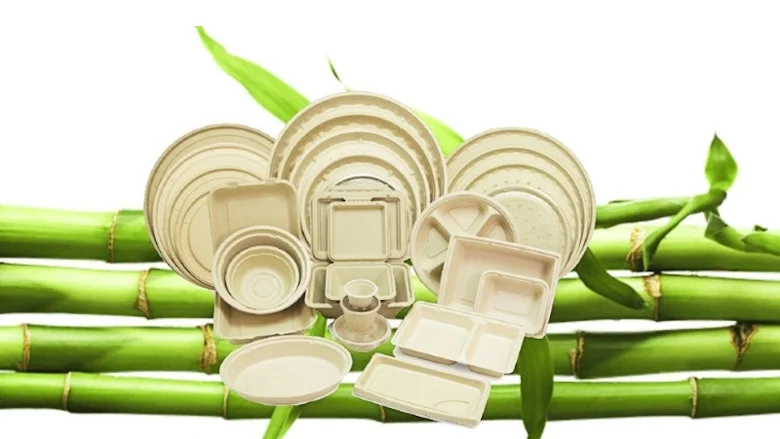
Headquartered in Exton, Pennsylvania, ACR has long been recognized as a powerhouse in the distribution of foodservice essentials, ranging from disposable gloves and apparel to takeout containers and janitorial supplies. However, the acquisition of Ultra Green Packaging, based in Mound, Minnesota, represents more than just an increase in market share; it is a tactical infusion of specialized expertise in the high-growth niche of molded fiber. Ultra Green has carved out a unique position in the market by designing and distributing a proprietary line of fiber-based packaging that caters specifically to the grocery, retail, and institutional channels. Their product catalog—which includes specialized take-n-bake pizza trays, sushi trays, and high-performance bakeware—addresses a critical gap in the market for heat-stable, compostable packaging that can withstand the rigors of modern food preparation and transport.
The integration of Ultra Green’s assets is set to significantly enhance ACR’s existing PrimeWare™ line. PrimeWare is ACR’s flagship brand for compostable and renewable products, and by absorbing Ultra Green’s molded fiber expertise, ACR is effectively doubling down on its ability to provide high-performance alternatives to traditional petroleum-based plastics. The synergy between the two companies is clear: ACR provides the massive infrastructure, logistics network, and broad customer reach, while Ultra Green provides the innovative product design and the technical "know-how" required to produce complex, fiber-based shapes that meet the stringent demands of grocery deli and bakery departments.
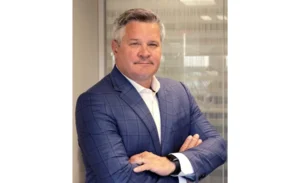
Scott Milberg, the Chief Executive Officer of ACR, highlighted the market-driven nature of this acquisition. He noted that the demand for sustainable packaging is no longer a fringe movement but a core requirement for major players in the foodservice and grocery sectors. As consumers become more environmentally conscious, retailers are under immense pressure to reduce their carbon footprint and eliminate single-use plastics that end up in landfills. Ultra Green’s products, which are often derived from agricultural byproducts like sugarcane (bagasse) and wheat straw, provide a "circular economy" solution that resonates with modern ESG (Environmental, Social, and Governance) goals. Milberg emphasized that the addition of Ultra Green strengthens ACR’s value proposition, allowing them to offer a more comprehensive suite of solutions to a retail base that is increasingly looking for a single-source provider for all their operational needs.
From an investment perspective, the deal reflects the refined strategy of Oridian Capital Partners. Brendon Biddle, Managing Director at Oridian, pointed out that Ultra Green fits the exact profile of the businesses they seek to integrate into the ACR platform. The criteria include a strong competitive moat, a niche product portfolio that is difficult to replicate, and a proven track record of innovation. Oridian’s role has been instrumental in transforming ACR from a regional distributor into a national leader. By focusing on lower middle-market companies that are often family or founder-owned, Oridian is able to preserve the entrepreneurial spirit of the acquired companies while providing the capital and operational discipline necessary to scale.
A critical component of this acquisition is the retention of leadership and intellectual capital. Kristin Davidson, the President and Owner of Ultra Green Packaging, will remain a vital part of the organization post-acquisition. Her continued involvement, along with her core management team, ensures that the deep relationships Ultra Green has built with its clients remain intact and that the technical innovation that defines the brand continues to thrive under the ACR umbrella. This continuity is essential in the specialized world of molded fiber, where the manufacturing process and material science are far more complex than standard plastic injection molding.
The broader context of this acquisition is the shifting regulatory environment across North America. Several states and municipalities have implemented or are considering bans on expanded polystyrene (commonly known as Styrofoam) and are introducing strict limits on PFAS (per- and polyfluoroalkyl substances), often referred to as "forever chemicals," which have historically been used in food packaging to provide grease resistance. Ultra Green has been at the forefront of developing PFAS-free molded fiber solutions, a technological hurdle that many in the industry are still struggling to overcome. By bringing this capability in-house, ACR positions itself as a safe harbor for grocery chains and foodservice operators who need to navigate a complex and evolving legal landscape regarding food contact materials.
Furthermore, the grocery sector—a primary focus of this deal—is experiencing a "fresh-forward" revolution. The perimeter of the grocery store, which includes the deli, bakery, and prepared foods sections, is the fastest-growing area of the supermarket. These departments require packaging that is not only functional—capable of being frozen, refrigerated, and then heated in a microwave or oven—but also aesthetically pleasing and environmentally responsible. Ultra Green’s take-n-bake pizza trays are a perfect example of this. They allow a grocery store to prepare a fresh pizza, sell it to a customer, and have that customer bake it at home in the same tray, which can then be composted. This convenience-meets-sustainability model is exactly what modern retailers are looking for to differentiate themselves from competitors.
The logistical advantages of the merger are also substantial. ACR operates multiple shipping points across North America, providing a robust "single stream" resource for its clients. By integrating Ultra Green’s distribution into this network, ACR can reduce lead times and shipping costs for sustainable packaging products, making them more price-competitive with traditional plastics. This scale is vital for moving sustainable packaging from a "premium" option to a standard operational choice for large-scale institutional buyers in healthcare, education, and hospitality.
As ACR celebrates its 12th acquisition, the industry is watching closely to see how the company will continue to evolve. The transition of Oridian Capital Partners from its former identity as HCI Equity Partners reflects a renewed focus on growth-oriented service and manufacturing companies. Their partnership with ACR has created a platform that is greater than the sum of its parts. By identifying companies like Ultra Green that possess high-quality, proprietary products and merging them with ACR’s world-class distribution capabilities, they are effectively building a "one-stop shop" for the foodservice and janitorial industries.
In conclusion, the acquisition of Ultra Green Packaging is a landmark moment for AmerCareRoyal. It solidifies their position as a leader in the green packaging revolution and provides them with the tools necessary to capture a larger share of the grocery and retail markets. As the world moves toward a future where "sustainable" is the default rather than the exception, ACR’s proactive approach to building a portfolio of molded fiber and compostable solutions ensures they will remain at the forefront of the industry for years to come. The deal is a testament to the power of strategic consolidation when it is driven by a clear understanding of market trends, consumer behavior, and the urgent need for environmental stewardship in the global supply chain.