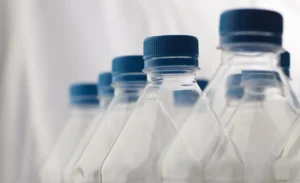

The landscape of the North American nutraceutical industry is currently undergoing a seismic shift as brands grapple with the dual pressures of environmental stewardship and market differentiation. For decades, the "health and wellness" aisle has been dominated by a "sea of sameness"—rows upon rows of white high-density polyethylene (HDPE) or polyethylene terephthalate (PET) bottles and tubs. However, a new strategic alliance between Graphic Packaging International, a global leader in sustainable fiber-based packaging, and Indiana-based co-packing specialist Combined Technologies, Inc. (CTI), is set to disrupt this status quo. By introducing the Boardio paperboard canister to the nutraceutical market, these two industry powerhouses are offering a viable, high-performance alternative to rigid plastic that aligns with the ambitious ESG (Environmental, Social, and Governance) goals of modern retailers and the evolving preferences of eco-conscious consumers.
The nutraceutical market is currently experiencing unprecedented growth, with global valuations expected to surpass $600 billion by 2030. Within this booming sector, categories such as vitamins, minerals, and supplements (VMS), alongside functional powders and gummies, are seeing the highest rates of innovation. Yet, the packaging for these products has historically lagged behind the "clean label" movement of the ingredients inside. While consumers demand organic, non-GMO, and plant-based supplements, they are often forced to purchase them in fossil-fuel-derived plastic containers. The introduction of Boardio into this space addresses this cognitive dissonance, providing a package that is as "clean" and sustainable as the contents it protects.
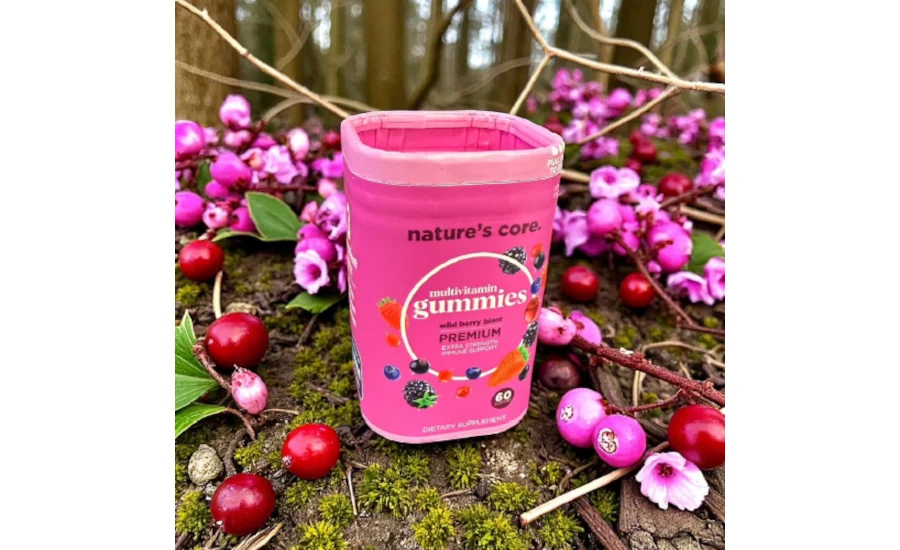
Graphic Packaging’s Boardio technology is not merely a replacement for plastic; it is a fundamental reimagining of what a supplement container can be. At its core, Boardio is a rigid paperboard canister that can reduce plastic content by more than 90 percent compared to traditional plastic tubs or bottles of similar volume. This is achieved through a sophisticated structural design that utilizes sustainably sourced wood fibers, which are inherently renewable and easier to integrate into existing paper recycling streams. However, the true innovation lies in its customizable barrier technology. Nutraceutical products, particularly hygroscopic items like gummies or oxygen-sensitive softgels and powders, require rigorous protection to maintain shelf life and potency. Boardio offers tailored barrier layers that shield the contents from moisture, oxygen, and light, ensuring that the integrity of the product remains uncompromised from the factory floor to the consumer’s kitchen counter.
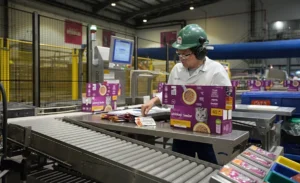
The partnership with Combined Technologies, Inc. (CTI) is the "missing link" that makes this technology accessible to brands of all sizes. Based in Bristol, Indiana, CTI brings over a quarter-century of expertise in primary and secondary packaging for the over-the-counter (OTC) and health sectors. By serving as the primary co-packing partner for Boardio in North America, CTI eliminates one of the most significant hurdles for brands looking to transition to sustainable packaging: capital expenditure. Traditionally, moving from a standard bottling line to a specialized format like a paperboard canister would require brands to invest millions of dollars in new machinery. Through CTI’s infrastructure, brands can leverage Boardio’s benefits without the need for massive upfront equipment costs. This "plug-and-play" accessibility allows for faster speed-to-market, enabling brands to respond quickly to retail mandates or consumer trends.
Jerry Thompson, the president and owner of CTI, has noted that the health and wellness aisle is perhaps the most competitive square footage in the modern retail environment. In this high-stakes arena, shelf appeal is a critical driver of conversion. Traditional plastic bottles are limited by the surface area of their labels, which often struggle to contain the vast amount of regulatory information, usage instructions, and branding required by today’s standards. Boardio solves this through its 360-degree high-quality printing capabilities. Because the branding is printed directly onto the paperboard structure during the manufacturing process, there is no need for a separate plastic sleeve or adhesive label. This provides a larger "canvas" for storytelling, allowing brands to utilize every square inch of the package to communicate their values, highlight key ingredients, and stand out with vibrant, matte, or textured finishes that plastic simply cannot replicate.
Furthermore, the ergonomic benefits of the Boardio format are designed with the end-user in mind. The canisters are engineered for easy handling, featuring intuitive opening mechanisms and secure reclosing features that maintain freshness after the initial seal is broken. The rectangular or specialized shapes of the canisters also offer significant logistical advantages over round bottles. Square-based packaging is more space-efficient, allowing for higher pallet density and more efficient "facings" on retail shelves. This means more product can be shipped in fewer trucks, and more units can be displayed in the same amount of shelf space, effectively lowering the carbon footprint and increasing the profitability per square inch for retailers.
The environmental impact of this shift cannot be overstated. As Extended Producer Responsibility (EPR) legislation gains traction across various North American states and Canadian provinces, brands are being held financially accountable for the lifecycle of their packaging. By reducing plastic use by 90 percent, Boardio helps brands mitigate the potential costs associated with plastic taxes and waste management fees. Carlos Carrillo, Vice President of Global Innovation at Graphic Packaging International, emphasizes that the goal is not just to be "less bad" but to be significantly better. The Boardio solution is designed for circularity, moving the industry away from the linear "take-make-waste" model of single-use plastics and toward a future where packaging is sourced from renewable forests and returned to the economy through recycling.
The specific needs of the "gummy" supplement market provide an excellent case study for why Boardio is a superior choice. Gummy vitamins are prone to clumping if exposed to moisture and can degrade if exposed to oxygen. Traditional plastic bottles often require bulky desiccants or thick-walled plastic to provide the necessary barrier. Boardio’s multi-layered laminate structure provides an airtight seal that is specifically engineered for these sensitive formats. Similarly, for protein powders and meal replacement shakes, the large plastic "tubs" that have become synonymous with the industry are increasingly viewed by consumers as environmental liabilities. Boardio offers a more compact, fiber-based alternative that feels premium to the touch while taking up less space in the consumer’s pantry and the local landfill.
As retail giants like Walmart, Target, and Whole Foods continue to set aggressive sustainability targets for their suppliers, the pressure on nutraceutical brands to innovate will only intensify. Many of these retailers have pledged to make their private-label packaging 100 percent recyclable, reusable, or compostable by 2025 or 2030. Brands that fail to adapt risk losing their "slotting" or being deprioritized in search algorithms. The collaboration between Graphic Packaging and CTI provides a roadmap for these brands to navigate this transition successfully. It proves that sustainability does not have to come at the expense of operational efficiency or economic viability. In many cases, the transition to Boardio has shown cost savings over traditional plastic configurations, especially when factoring in the elimination of secondary labeling and the improved logistics of the format.
In conclusion, the launch of Boardio for the North American nutraceutical market represents a pivotal moment in the evolution of consumer goods packaging. It is a solution that addresses the aesthetic, functional, and ecological demands of the 21st-century marketplace. By combining Graphic Packaging’s innovative engineering with CTI’s operational excellence, the partnership is empowering brands to break free from the constraints of rigid plastic. As the health and wellness industry continues to grow, those who embrace these fiber-based innovations will be well-positioned to lead the charge toward a more sustainable and visually captivating retail future. The "sea of sameness" is finally beginning to recede, making way for a new era of paperboard-driven excellence.