
The modern consumer landscape is no longer satisfied with the simple convenience of a snack; today’s shoppers demand a narrative, a lineage, and a clear understanding of the craftsmanship behind the products they bring into their homes. Recognizing this seismic shift in consumer behavior, Tostitos, a cornerstone of the PepsiCo and Frito-Lay portfolio, has unveiled a comprehensive brand evolution. This transformation is not merely a superficial update to a logo or a color palette; it is a profound strategic pivot designed to bridge the gap between the industrial production of the snack aisle and the traditional, time-honored techniques of Mexican culinary heritage. By leaning into its history of using whole corn kernels and traditional masa-making processes, Tostitos is positioning itself as a brand rooted in "craft, quality, and connection," effectively moving beyond the "party chip" archetype to become a culinary staple for the modern host.
At the heart of this brand refresh is a commitment to transparency that begins long before the chips reach the deep fryer. While the average consumer may view a tortilla chip as a simple commodity, the process behind Tostitos is surprisingly grounded in ancient techniques. The journey begins in the field with whole corn kernels, which are then transformed into masa—a dough made from ground, nixtamalized corn—using methods that have remained largely unchanged for centuries. This "traditional way" of preparation is the cornerstone of the new brand identity. By highlighting this process, Tostitos is responding to a growing "clean label" movement where transparency regarding ingredients and manufacturing is paramount. Jess Spaulding, the vice president of marketing at PepsiCo Foods U.S., emphasizes that this move is about finally "telling the full Tostitos story." The goal is to show that the brand fits naturally into the contemporary kitchen, where cooking, hosting, and connecting over food have become central pillars of social life.
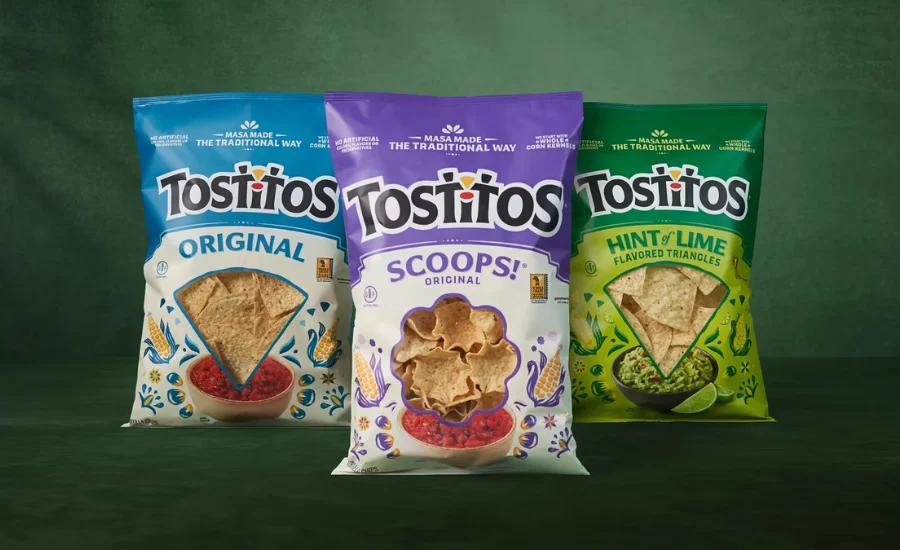
The visual component of this redesign represents a significant departure from standard industry practices. For years, Consumer Packaged Goods (CPG) brands have relied heavily on hyper-realistic food photography—often airbrushed and stylized—to entice buyers. Tostitos is breaking this mold by pivoting toward bespoke illustrations. This artistic choice is intentional; illustrations convey a sense of warmth, human touch, and "fiesta spirit" that photography often fails to capture. The new artwork is peppered with "Easter eggs"—subtle graphical nods to corn kernels and cobs hidden within the patterns. These details serve as a constant, subconscious reminder of the product’s agricultural roots. This shift toward an artisanal aesthetic aligns Tostitos with the "craft" movement that has already transformed the craft beer and specialty coffee industries, signaling to the consumer that these chips are a product of intentional design rather than mass-market indifference.
Beyond the artistic flourishes, the redesign serves a highly functional purpose: improving the "shoppability" of the brand in an increasingly crowded retail environment. In the fast-paced world of grocery shopping, visual cues are essential for brand navigation. Tostitos has implemented a new color-coding system to help consumers distinguish between their various product tiers. The "Classic" line—which includes staples like Tostitos Original Restaurant Style, SCOOPS! Original, and Bite Size Rounds—is now anchored by elegant cream-colored backgrounds. This neutral palette evokes a sense of tradition and reliability. In contrast, the brand’s "Flavored" line—featuring bold varieties like Hint of Lime and the trendy Mexican Street Corn—utilizes vibrant, high-energy pops of color. This dichotomy allows the brand to maintain a cohesive identity while ensuring that a busy parent or a party-planner can locate their specific preference in a matter of seconds.
This rebranding effort is also a strategic maneuver to expand the "usage occasions" for Tostitos. Historically, tortilla chips have been pigeonholed as a casual snack for sporting events or late-night cravings. However, by emphasizing quality and craft, PepsiCo is attempting to move Tostitos into the "meal accompaniment" and "premium hosting" categories. The brand is no longer just a vessel for salsa; it is being marketed as a versatile ingredient and a sophisticated component of a larger culinary experience. This transition is essential for growth in a market where artisanal competitors and health-conscious alternatives are constantly vying for shelf space. By reinforcing its commitment to quality, Tostitos is asserting that it can be both a mass-market leader and a premium choice for those who care about the integrity of their food.
To bring this new vision to life, Tostitos is looking beyond the supermarket shelf and into the realm of experiential marketing. The launch is being celebrated through a high-profile, immersive event dubbed "Casa de Tostitos," held in New York City from April 30 to May 3. This pop-up experience is designed to be a physical manifestation of the brand’s new values. Attendees are treated to an elevated tasting menu curated by a celebrity chef, demonstrating how the chips can be integrated into sophisticated dishes. The event also provides a behind-the-scenes look at the traditional masa-making process, demystifying the production of the chip and reinforcing the "field to bag" narrative. Furthermore, the inclusion of a "vibrant shoppable marketplace" featuring artisan partners highlights Tostitos’ commitment to community and connection, positioning the brand as a supporter of the broader maker culture.
The timing of this refresh is particularly poignant as the global demand for authentic Mexican flavors continues to surge. The "Mexican Street Corn" flavor, for instance, taps into the "elote" trend that has moved from street carts to high-end restaurants across North America. By aligning its brand identity with these cultural touchpoints, Tostitos ensures it remains relevant to a younger, more diverse demographic that values cultural authenticity. The use of illustration allows the brand to celebrate this "fiesta spirit" in a way that feels inclusive and celebratory rather than stereotypical, striking a delicate balance between tradition and modern design.
The business implications for PepsiCo are substantial. As the flagship brand in the tortilla chip category, Tostitos carries the weight of maintaining market dominance while fending off "disruptor" brands that often use "heritage" and "craft" as their primary selling points. By adopting these same narratives and backing them with the logistical power of the PepsiCo distribution network, Tostitos is effectively "disrupting the disruptors." This redesign is a masterclass in brand evolution: it honors the past, addresses the functional needs of the present, and builds a strategic bridge to the future.
As the refreshed packaging rolls out nationwide, consumers will encounter a brand that feels both familiar and entirely new. The cream-colored bags of Original Restaurant Style chips will sit alongside the neon-bright bags of Hint of Lime, all unified by a new illustrative language that speaks to the "craft" of the corn. The message is clear: Tostitos is more than just a snack; it is a product of traditional masa-making, a catalyst for social connection, and a brand that isn’t afraid to show its work. By leaning into its history of using whole corn kernels and celebrating the "fiesta spirit," Tostitos has successfully repositioned itself for a new era of culinary-conscious consumers. The journey from the field to the bag has never been more visible, and for Tostitos, that transparency is the key to a lasting connection with the modern table. Through this redesign, the brand doesn’t just offer a chip; it offers an invitation to host, to cook, and to celebrate the simple joy of a well-made tradition.