
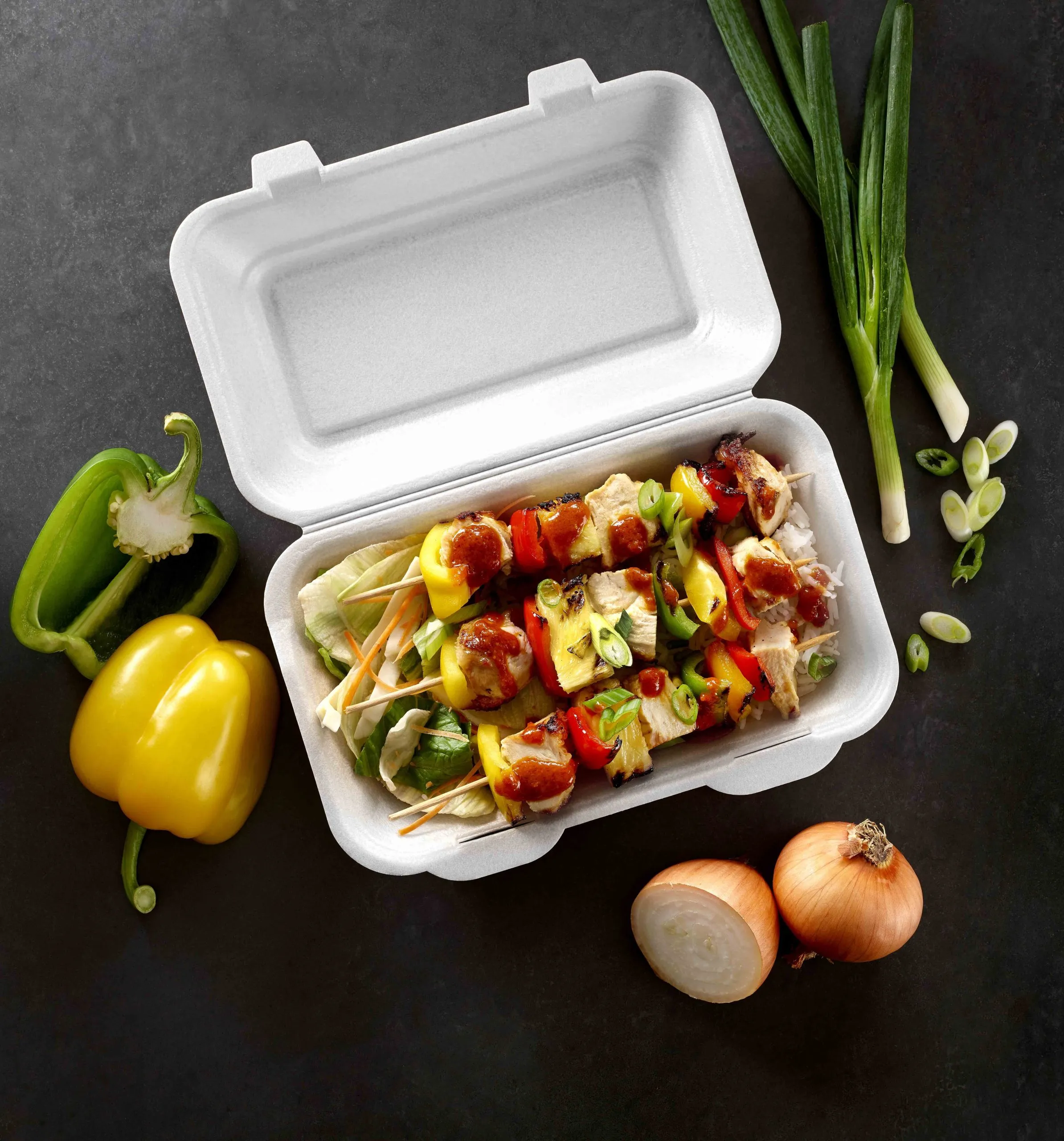
Klöckner Pentaplast (kp), a global leader in sustainable food packaging solutions, has officially unveiled its latest advancement in takeaway technology: the HP3. Engineered specifically to accommodate the growing consumer demand for larger, more substantial food-to-go portions, the HP3 represents a significant leap forward in balancing high-performance thermal insulation with stringent environmental responsibility. As the foodservice industry continues to grapple with the legislative phase-out of traditional single-use plastics, kp’s latest offering arrives as a future-proof alternative that aligns perfectly with the circular economy.
Redefining Material Science in Packaging
At the core of the HP3’s innovation is the choice of material: Expanded Polypropylene (EPP). Unlike Expanded Polystyrene (EPS) or Extruded Polystyrene (XPS)—both of which have faced strict regulatory bans across the United Kingdom due to their environmental impact and difficulty in processing—EPP remains a fully compliant and sustainable choice.
By utilizing EPP, kp has effectively bypassed the limitations imposed on traditional foam-based packaging. The HP3 is manufactured as a monopolymer, a critical design choice that simplifies the recycling process. Because the entire unit is constructed from a single type of plastic, it is fully compatible with existing polypropylene (PP) waste streams. This "design for recycling" approach ensures that once the consumer has finished their meal, the container can be processed through standard municipal or commercial recycling facilities without the need for complex separation, thereby drastically increasing the likelihood of the material being repurposed into new goods rather than ending up in a landfill.
Consumer-Centric Design and Transparency
One of the most persistent hurdles in the recycling industry is consumer confusion at the point of disposal. To bridge this gap, kp has integrated clear, actionable guidance directly into the packaging architecture. Each HP3 unit features prominent, embossed "Recycle Me" messaging. This is not merely an aesthetic choice but a deliberate functional strategy to prompt the consumer to take the correct action. Furthermore, the presence of the standardized Recycling Code 5 (PP) on every container offers immediate, at-a-glance verification for both consumers and waste management operators, ensuring compliance with local recycling protocols and fostering a culture of responsible disposal.
Unmatched Performance in Thermal Retention
Beyond sustainability, the HP3 has been engineered to excel in the most challenging conditions of the food-to-go sector. Thermal retention is perhaps the most critical factor in customer satisfaction for hot takeaway meals. Independent testing and internal evaluations indicate that the HP3 maintains food temperatures at a level more than 10°C hotter than conventional alternative packaging solutions.
This superior thermal barrier provides a twofold benefit: it preserves the texture, flavor, and food safety of the meal during the journey from kitchen to consumer, and it enhances the overall user experience. Despite its high internal heat retention, the exterior of the HP3 remains cool and comfortable to the touch, eliminating the need for extra wraps or double-sleeving.
The material is also inherently robust. It is naturally waterproof and exhibits high resistance to hot oils, aggressive sauces, acids, and alkalis, ensuring that the structural integrity of the pack remains intact even with greasy or acidic food contents. To add a final layer of convenience, the HP3 is fully microwaveable, allowing customers to easily reheat their meals at home or in the office without needing to transfer the food to a different vessel.
A Commitment to Local Production and Supply Chain Resilience
The launch of the HP3 is underpinned by a strategic decision to prioritize domestic manufacturing. Austin Schwarz, Sales Director for UK & Ireland at kp Food Packaging, emphasized that the decision to produce the HP3 within the UK was driven by a commitment to both efficiency and the environment.
"Our customers are telling us they need a larger, tougher pack for some of the most-loved dishes on today’s menus," said Schwarz. "We’ve designed exactly that, without compromising on recyclability, performance, or the quality that kp customers expect. By producing the HP3 here in the UK, we can deliver this solution with speed, assurance, and a reduced environmental footprint."
This localization strategy offers several advantages. By reducing the distance between the manufacturing facility and the end-user, kp is effectively lowering the carbon emissions associated with long-haul logistics. Furthermore, it insulates the supply chain against the volatility of international freight, providing distributors and wholesalers with a reliable, consistent source of packaging during a time when global supply chains remain unpredictable.
Strategic Market Positioning
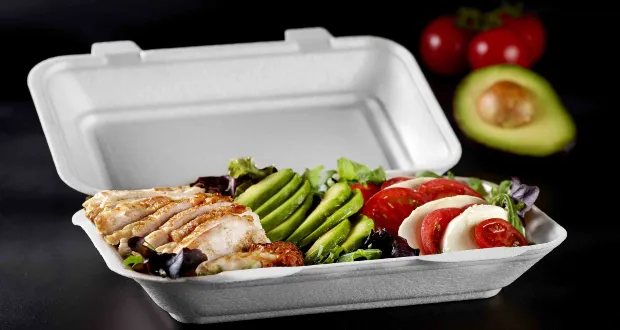
The HP3 is specifically tailored for the "large portion" segment of the market, which includes everything from gourmet street food and rotisserie chickens to large-format pasta and rice dishes. As the food-to-go market trends toward premiumization, the expectations for packaging have risen accordingly. Retailers and restaurants are no longer satisfied with flimsy containers that leak or lose heat; they require a "premium" feel that reinforces the quality of the food inside.
The HP3 meets this need through its rigid, high-quality finish and its sleek design, which elevates the presentation of the meal. By adopting this solution, food service operators can project a stronger commitment to sustainability, which is increasingly becoming a deciding factor for modern consumers when choosing where to purchase their meals.
Availability and Future Outlook
As of late April, the HP3 has been rolled out across kp’s extensive network of distributors and wholesalers throughout the UK. This widespread availability ensures that businesses of all sizes—from independent takeaway shops to large-scale catering chains—can easily transition to this more sustainable and high-performing solution.
The introduction of the HP3 is a clear indicator of the direction in which Klöckner Pentaplast is heading. As legislative pressures on packaging waste continue to tighten, companies that proactively innovate, rather than react to regulation, will lead the market. By successfully combining the thermal properties of traditional foam with the circularity of modern monomaterials, kp has set a new benchmark for the food-to-go industry.
This innovation is not just about a single product; it represents a broader shift toward a "closed-loop" mentality in the food packaging sector. As infrastructure for PP recycling continues to improve across the country, the HP3 stands ready to be a cornerstone of a cleaner, more efficient takeaway ecosystem. For businesses looking to future-proof their operations while delivering a superior experience to their customers, the HP3 offers a compelling, robust, and environmentally conscious path forward. With its combination of heat-locking technology, grease resistance, and clear, consumer-facing recyclability, it is poised to become a staple in the high-demand world of modern food service.