
In the contemporary landscape of luxury retail and corporate identity, the distinction between a mere promotional item and a true brand asset lies in the minutiae of design and the integrity of construction. When a premium brand decides to extend its reach through physical merchandise, it is not simply ordering a product; it is commissioning a portable ambassador for its values. This case study explores the sophisticated journey of bespoke bag design development, focusing on a recent project where the goal was to create a custom-engineered cool bag that mirrored the prestige and utility of a high-end product suite. In an era where "fast fashion" and disposable goods are increasingly scrutinized, the demand for durable, aesthetically flawless, and functionally superior branded merchandise has never been higher. This transition from "swag" to "status symbol" requires a meticulous design development process that bridges the gap between industrial engineering and high-fashion aesthetics.
The genesis of this project began with a clear and demanding design brief. An established premium brand, known for its uncompromising standards and elegant market presence, sought to expand its lifestyle offerings. The objective was to develop a high-performance cool bag—a product that is notoriously difficult to execute within a luxury framework due to the inherent conflict between bulky thermal materials and sleek, sophisticated silhouettes. The client required a solution that would provide impeccable thermal protection for food and beverages while maintaining a visual language consistent with their existing luxury goods. The challenge was multifaceted: the bag had to be hygienically secure, thermally efficient, and visually indistinguishable from a high-end fashion accessory. To achieve this, the development team had to rethink the standard "cooler" and treat it as a piece of technical luggage.
The first critical phase of the bag design development focused on the science of color and material selection. For a premium brand, "close enough" is never acceptable when it comes to visual identity. Brand recognition is often tied to a specific hue, and any deviation can dilute the perceived value of the product. To solve this, the team employed rigorous Pantone-matching protocols for the exterior fabric. Unlike off-the-shelf solutions where brands must choose from a limited palette of stock materials, bespoke development allows for the custom dyeing of fabrics to ensure an exact match to brand guidelines. This process involves laboratory dips and multiple rounds of color checking under various lighting conditions—daylight, retail LED, and incandescent—to ensure metamerism does not affect the brand’s signature look. The choice of exterior material also required a balance of durability and hand-feel; it needed to be rugged enough to withstand outdoor use while possessing a refined texture that signaled quality to the touch.
Moving inward, the second phase of development addressed the bag’s functional core: thermal and hygienic integrity. A cool bag is only as good as its ability to maintain temperature, but in a premium context, the internal architecture must also be elegant and easy to maintain. The team integrated a high-spec internal thermal layer designed to minimize heat transfer through radiation and conduction. Beyond mere temperature control, hygiene was a paramount concern. The interior was engineered with wipe-clean, food-safe linings that prevent bacterial growth and simplify the cleaning process. This "fit-for-purpose" engineering ensures that the bag remains a practical tool for the user, rather than a fragile showpiece. The structural development also included testing the "leaks and spills" factor, ensuring that the internal seams were heat-sealed or treated to prevent any moisture from escaping the thermal compartment, thereby protecting the user’s clothing and the bag’s own exterior.
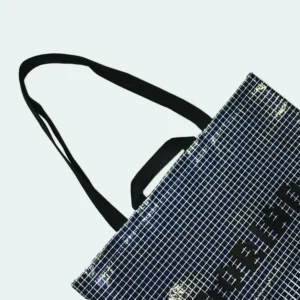
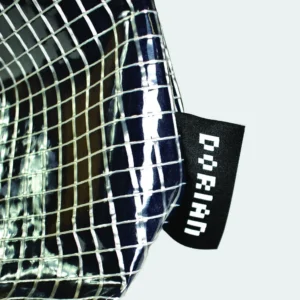
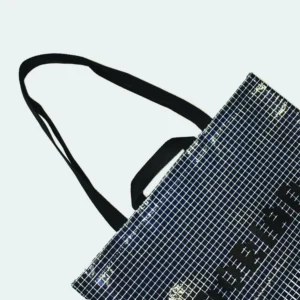
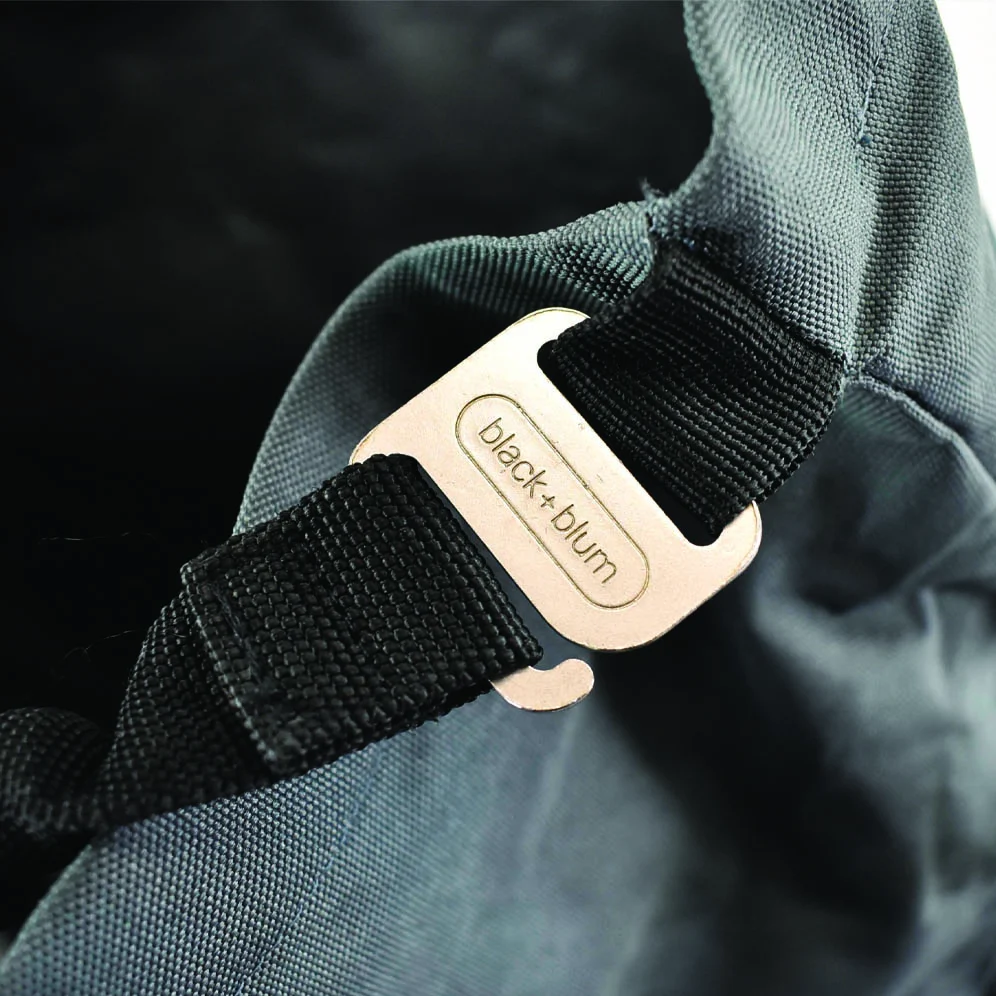
The third phase of the process is where the "bespoke" nature of the service truly shines: the integration of sophisticated branding and custom hardware. In the world of premium goods, branding is often most effective when it is understated. Rather than large, gaudy logos, the team focused on high-definition woven brand labels and custom-engineered components. Every touchpoint—from the zippers and buckles to the handles—was considered. Custom metal hardware, perhaps engraved with a subtle logo, provides a weight and tactile feedback that plastic components simply cannot replicate. The handles were designed not just for strength, but for ergonomic comfort, ensuring that even when the bag is fully loaded, it remains a pleasure to carry. This level of detail extends to the closures; the choice of a high-quality, smooth-gliding zipper versus a standard one can be the difference between a product that feels like a bargain and one that feels like a luxury.
The development process is not a linear path but a collaborative cycle of sampling and refinement. Bag sampling is perhaps the most critical stage of the journey. It is here that the conceptual sketches and digital renderings are transformed into physical reality. During the sampling phase, the team can assess how the chosen materials interact—how the thermal lining affects the drape of the exterior fabric, or how the custom hardware sits against the structural seams. For this project, multiple iterations were produced to fine-tune the proportions and ensure that the bag met the client’s stringent standards for both utility and aesthetics. This iterative process allows for "real-world" testing, ensuring the bag can handle the weight of gourmet picnic supplies while retaining its structural silhouette.
The result of this intensive development cycle was a product that transcended the category of "merchandise." The final cool bag was a triumph of industrial design, offering a seamless blend of high-utility thermal performance and high-fashion aesthetics. When the product launched, it was met with acclaim for its ability to reinforce the brand’s credibility. By refusing to compromise on materials or construction, the brand provided its customers with a tool that enhanced their lifestyle, whether at a high-end sporting event, a beach outing, or a sophisticated garden party. The bag did not just carry food; it carried the brand’s reputation into new environments, proving that when utility and luxury coexist, the result is a powerful marketing tool with lasting value.
This project serves as a masterclass in the value of a specialized bag design service. For creative agencies and brand owners, the lesson is clear: merchandise should never be an afterthought. In a crowded market, every item that bears a brand’s logo must be an extension of that brand’s commitment to excellence. Working with a partner who understands the nuances of textile engineering, global sourcing, and brand psychology is essential. The Bag Workshop, as part of the broader Wurlin Group, brings this level of expertise to every project. By looking beyond the bag itself and considering the entire ecosystem of the brand—including complementary items like bespoke umbrellas and custom packaging—they provide a holistic approach to brand development.
The Wurlin Group’s philosophy is built on the idea of being a "trusted partner" rather than a mere supplier. This involves a commitment to transparent communication, structured project coordination, and a global reach that allows for the sourcing of the finest materials and the most capable manufacturing facilities. Whether a client needs a complex technical backpack, a luxury tote, or a high-performance cool bag, the goal remains the same: to deliver a product that is "fit for purpose" and built to last. In a world of fleeting digital impressions, a high-quality physical product offers a tangible, enduring connection between a brand and its audience.
As brands continue to seek new ways to engage with their customers, the role of bespoke product development will only grow in importance. The success of this premium cool bag demonstrates that with the right design partner, even the most functional items can be elevated to the status of a luxury asset. For those ready to embark on their own journey of bag design development, the process begins with a vision and a commitment to quality. By focusing on precision aesthetics, functional integrity, and sophisticated detailing, any brand can create merchandise that truly reflects its premium standing. To start your own bespoke development project and explore the possibilities of custom-branded solutions, contact the team at The Bag Workshop and discover how high-end design can transform your brand’s physical presence.