
In an era dominated by mass production and synthetic materials, the resurgence of artisanal craftsmanship represents more than just a fleeting trend; it is a profound return to quality, durability, and personal expression. At the forefront of this movement is the Hand-Carved Vegetable-Tanned Leather Large Tote, a flagship offering from CanvasBag.Co that bridges the gap between rugged utility and high-end aesthetic appeal. While the modern market is saturated with functional, performance-oriented gear—such as the ubiquitous Under Armour Hustle 6.0 Backpack, which offers high-density polyester and water-resistant finishes for under fifty dollars—there remains a distinct and growing echelon of consumers who seek the soul and longevity found only in natural, hand-worked leather. This article explores the intricate world of vegetable-tanned leather, the meticulous process of hand-carving, and why a large tote serves as the ultimate investment piece for the discerning individual.
To understand the value of a hand-carved leather tote, one must first understand the foundation of the product: the leather itself. Vegetable tanning is an ancient artisanal tradition that dates back thousands of years. Unlike the modern chrome-tanning process, which utilizes heavy chemicals and chromium salts to process hides in a matter of days, vegetable tanning relies on natural tannins found in organic materials such as tree bark, leaves, and fruits. This process is slow, often taking several months to complete, but the results are unparalleled. Vegetable-tanned leather is thicker, more durable, and possesses a distinct, earthy aroma. Most importantly, it is the only type of leather that develops a "patina" over time—a rich sheen and darkening of color that reflects the life and experiences of the owner. Every scratch, every spill, and every touch contributes to a unique narrative etched into the surface of the bag.
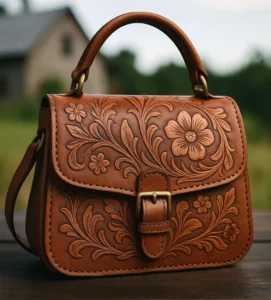
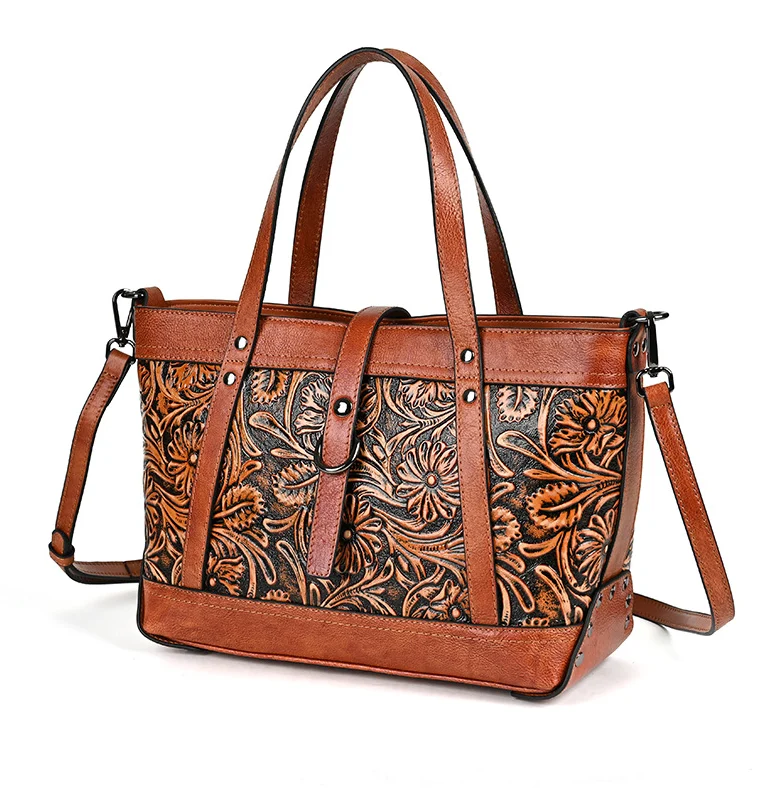
The "Hand-Carved" designation of this CanvasBag.Co tote elevates it from a mere accessory to a work of wearable art. Hand-carving, or leather tooling, is a specialized skill that requires years of practice and a steady hand. The process begins with "casing" the leather, which involves dampening it to the perfect moisture level so it can accept impressions without losing its structural integrity. Using a swivel knife, the artisan cuts intricate patterns—often floral, geometric, or traditional Western motifs—directly into the grain. Following the initial cuts, various stamping tools and mallets are used to bevel, shade, and texture the design, creating a three-dimensional effect that catches the light and provides a tactile experience. This labor-intensive method ensures that no two bags are ever identical, offering a level of exclusivity that mass-produced synthetic bags can never replicate.
When examining the architecture of a Large Leather Tote, the focus is on "maximum utility through minimalist design." While a technical backpack like the Under Armour Hustle 6.0 utilizes multiple zippered compartments, mesh side pockets, and padded laptop sleeves made of nylon, a leather tote relies on the inherent strength of the material to provide organization. The Large Tote from CanvasBag.Co is designed to be a "catch-all" that transitions seamlessly from a professional environment to a weekend getaway. Its spacious interior is capable of housing a 15-inch laptop, several notebooks, a cosmetic pouch, and even a change of shoes. The handles are typically reinforced with copper rivets or heavy-duty saddle stitching, ensuring they can bear the weight of a full load without compromising the leather’s integrity. This structural simplicity is its greatest strength; there are no plastic buckles to snap or zippers to snag, only the enduring strength of full-grain hide.
The contrast between artisanal leather goods and high-performance synthetic gear highlights a fascinating dichotomy in the modern consumer landscape. On one hand, products like the Hustle 6.0 Backpack represent the pinnacle of accessible technology. With a 4.8-star rating from millions of users and a price point of approximately $46.97, it is a testament to the efficiency of global manufacturing. It serves the student, the athlete, and the daily commuter who requires lightweight, weather-proof convenience. However, the leather tote occupies a different psychological space. It is an "heirloom" item. While a polyester backpack may need replacement every few years as the lining peels or the fabric frays, a hand-carved vegetable-tanned tote is designed to last a lifetime. In fact, many collectors argue that leather bags only reach their "prime" after a decade of use.
Sustainability is another crucial factor driving the demand for vegetable-tanned goods. As the fashion industry faces increasing scrutiny for its environmental impact, the biodegradable nature of vegetable-tanned leather offers a compelling alternative to petroleum-based synthetics. The tannins used are derived from renewable sources, and the lack of harsh chemicals means the runoff from the tanning process is significantly less harmful to local ecosystems. Furthermore, the philosophy of "buying less, but buying better" is perfectly encapsulated by a high-quality leather tote. By investing in a single, durable piece, consumers reduce the waste associated with the frequent replacement of lower-quality goods.
Caring for such a prestigious item is a ritual in itself. Owners of hand-carved leather are encouraged to treat their bags with natural conditioners, such as beeswax or mink oil, every few months. This keeps the fibers supple and enhances the water resistance of the hide. Because vegetable-tanned leather is "living" material, it breathes. It reacts to the oils in your hands and the humidity in the air. For many, the maintenance of the bag becomes a meditative process, a way to connect with the physical object and honor the craftsmanship that went into its creation.
The market for these goods is also evolving through digital platforms like CanvasBag.Co, which allow independent artisans to reach a global audience. In the past, such specialized leatherwork was often confined to local boutiques or high-end luxury houses in Europe. Today, the democratization of craft means that a person in a bustling metropolis can carry a piece of traditional hand-carved art that was produced in a small workshop halfway across the world. This connectivity has sparked a renewed interest in the "story" behind the product. Consumers are no longer satisfied with knowing what a bag is made of; they want to know who made it, how long it took, and what techniques were employed.
In conclusion, the Hand-Carved Vegetable-Tanned Leather Large Tote stands as a symbol of resistance against the "disposable" culture of the 21st century. It is a product that demands patience—patience in its creation, and patience in its aging process. While there will always be a place for the functional efficiency of a $47 performance backpack for the gym or the trail, the leather tote serves the moments of our lives that require a bit more gravitas. Whether it is being carried into a boardroom, used as a sophisticated diaper bag, or serving as a companion on a cross-country flight, it carries with it an air of intentionality. It is not just a bag; it is a legacy of human touch, natural beauty, and the enduring power of classic design. As we look toward the future of fashion, it is clear that the most "innovative" path forward may involve looking back at the time-honored traditions of the master leatherworker. CanvasBag.Co and similar purveyors are not just selling leather; they are preserving a heritage of quality that ensures the art of the hand-carved tote will never go out of style.