

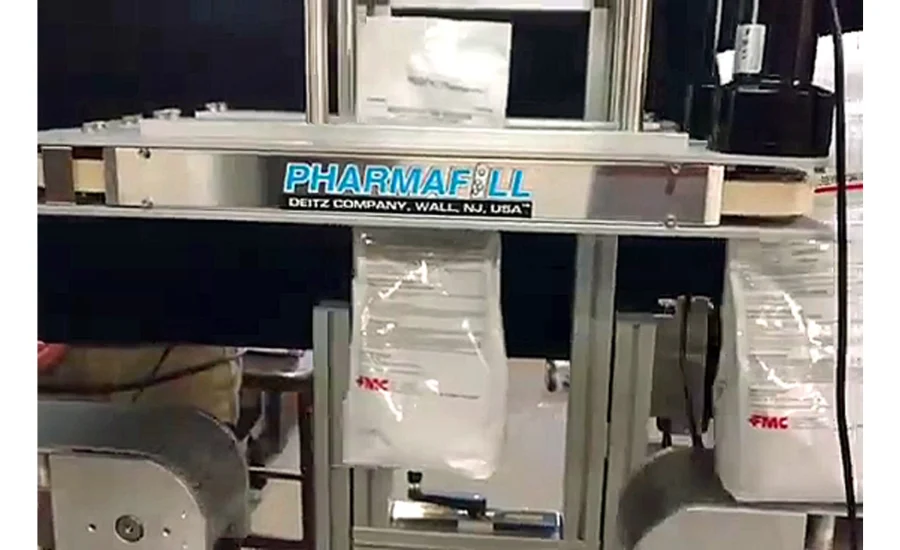
The modern packaging landscape is defined by a relentless drive toward efficiency, compliance, and aesthetic integrity. As consumer preferences shift away from rigid containers toward flexible formats like stand-up pouches (SUPs) and gusseted bags, manufacturers face a unique set of logistical challenges. One of the most persistent hurdles has been the integration of essential traceability data—such as lot codes, expiration dates, and QR codes—without compromising the visual appeal of the primary branding or slowing down the production line. Traditional methods of coding often required complex diverting systems or manual handling, both of which introduce the risk of downtime and product damage. Addressing this critical gap in the market, Deitz Co., a long-standing leader in packaging machinery manufacturing, has introduced the Pharmafill BCV1 Bottomless Conveyor. This innovative system is specifically engineered to automate bottom-side printing on flexible packaging, ensuring that vital information is applied accurately and seamlessly as products move through the facility.
The Pharmafill BCV1 represents a significant leap forward in conveyor design, moving away from the traditional flat-bed model to a "bottomless" architecture that prioritizes accessibility. At the heart of the BCV1’s operation is a sophisticated dual-hugger belt system. As filled pouches transition from a standard horizontal conveyor, they are met by two parallel, side-mounted belts. These belts are designed to gently yet firmly grip the sides of the pouches, lifting them slightly and suspending them over a gap. This suspension is the "bottomless" element of the machine, creating a clear, unobstructed path to the underside of the package. While the pouch is held in this secure, vertical orientation, an integrated printing or marking device—positioned beneath the conveyor path—applies the necessary data. This design ensures that the printing process occurs while the product is in motion, eliminating the need to stop the line or utilize a "stop-and-go" indexing motion that can lead to mechanical wear and reduced throughput.
The strategic advantages of bottom-side printing cannot be overstated, particularly in industries where shelf presence is a key driver of sales. For products like premium coffee, artisanal teas, protein powders, and high-end pet treats, the front and back panels of the pouch are valuable real estate for branding, nutritional information, and marketing copy. Placing technical data, such as batch numbers and recycling logos, on the bottom of the pouch preserves the clean look of the package while remaining fully compliant with global traceability standards. Furthermore, for stand-up pouches, the bottom gusset provides a flat, stable surface that is ideal for high-resolution inkjet printing or laser marking. By utilizing the BCV1, manufacturers can ensure that these codes are placed consistently in the same location on every unit, facilitating easier scanning for retailers and logistics providers.
Beyond aesthetics, the Pharmafill BCV1 is built to handle the rigorous demands of high-speed industrial environments. In sectors like pharmaceuticals and chemical manufacturing, the accuracy of data is a matter of regulatory compliance and safety. The dual-hugger belt system is engineered to prevent the "shingling" or tipping of pouches—a common issue when lightweight flexible packaging moves at high velocities. By maintaining total control over the pouch’s orientation throughout the printing cycle, the BCV1 eliminates the risk of ink smearing or misaligned codes. Once the printing is complete, the conveyor gently releases the pouches back onto a standard downstream conveyor, maintaining the flow of the line without any interruption. This seamless transition is critical for facilities looking to maximize their Overall Equipment Effectiveness (OEE).
Versatility is a hallmark of the Deitz Co. engineering philosophy, and the BCV1 is no exception. The system is designed to be hardware-agnostic, meaning it is compatible with a vast array of coding and marking technologies. Whether a facility utilizes Continuous Inkjet (CIJ) for high-speed alphanumeric coding, Thermal Inkjet (TIJ) for high-resolution graphics and QR codes, or laser marking for permanent, chemical-resistant etching, the BCV1 provides the necessary mounting infrastructure and stability. This compatibility allows manufacturers to integrate the bottomless conveyor into their existing lines without having to overhaul their entire printing setup. The adjustable nature of the hugger belts also means the machine can be quickly reconfigured to accommodate different pouch sizes and shapes, from small pharmaceutical sachets to large bags of lawn and garden fertilizers.
The impact of this technology is particularly profound in the pharmaceutical industry, where the Drug Supply Chain Security Act (DSCSA) and other global mandates require granular tracking of every unit. The ability to print clear, scannable codes on the bottom of a pouch ensures that automated vision systems can verify the data without needing to flip or rotate the package. This reduces the complexity of the inspection station and lowers the likelihood of false rejects. Similarly, in the food and beverage sector, the Food Safety Modernization Act (FSMA) emphasizes the need for rapid recall capabilities. The BCV1 facilitates this by ensuring that every pouch leaving the facility carries a legible, permanent record of its production history, tucked away neatly on the bottom surface where it won’t interfere with the consumer’s brand experience.
Manufacturing excellence is another pillar of the Deitz Co. brand. The Pharmafill BCV1 is manufactured entirely at the company’s headquarters in Wall, New Jersey. This domestic production allows for stringent quality control and a deep level of technical support that is often missing from imported machinery. By keeping engineering and manufacturing under one roof, Deitz Co. can offer a level of customization that meets the specific needs of niche producers. For instance, companies dealing with corrosive chemicals or dusty environments can request specialized materials or enclosures to ensure the longevity of the equipment. The robust construction of the BCV1, typically featuring stainless steel and high-grade plastics, ensures that it can withstand the wash-down procedures common in food and pharmaceutical plants.
Recognizing that every packaging material behaves differently under the grip of a conveyor, Deitz Co. offers an on-site testing and training program. At their New Jersey facility, the company maintains a dedicated testing line where prospective customers can send their specific pouches and bags for evaluation. This "proof of concept" phase is vital for ensuring that the friction of the hugger belts does not mar the surface of delicate films and that the chosen ink or laser settings provide the desired contrast on the material’s bottom. This proactive approach to customer service reduces the "startup friction" often associated with new equipment, allowing manufacturers to achieve full production speeds almost immediately upon installation.
As the global market for flexible packaging continues to grow—projected to reach hundreds of billions of dollars in the coming years—the need for specialized handling equipment like the Pharmafill BCV1 will only intensify. The shift toward sustainability is also driving the adoption of new, often more challenging, recyclable and compostable films. These materials sometimes require different handling characteristics than traditional laminates. The adjustable tension and speed controls of the BCV1 make it well-suited for these emerging materials, providing a future-proof solution for companies committed to environmental stewardship.
In conclusion, the Pharmafill BCV1 Bottomless Conveyor from Deitz Co. is more than just a piece of transport equipment; it is a strategic tool for modern manufacturing. By solving the problem of bottom-side access in a continuous-motion environment, it enables brands to meet the dual demands of high-speed production and rigorous data compliance. Whether it is ensuring the traceability of life-saving medications or providing the "best by" date on a bag of premium snacks, the BCV1 performs its task with a level of precision and reliability that reflects Deitz Co.’s decades of expertise. For manufacturers seeking to eliminate bottlenecks, reduce waste, and improve the overall quality of their packaging, the introduction of bottomless conveyor technology represents a vital step toward a more efficient and transparent supply chain. Through its clever design, robust New Jersey-based manufacturing, and commitment to versatile integration, the BCV1 stands as a testament to the power of targeted engineering in the evolution of the packaging industry.