
The global conversation surrounding sustainable packaging has, for the better part of a decade, been dominated by the physical vessel. In the dairy sector, this has manifested as a rigorous debate over substrates: the recyclability of plastic jugs versus the carbon-neutral potential of fiber-based cartons. While these material considerations are vital, a growing consensus among industry leaders suggests that focusing solely on the "box" ignores a critical segment of the environmental equation. True sustainability in the dairy supply chain is not merely a matter of what a product is wrapped in, but how it is processed and packaged. Emerging ultra-clean filling technologies are proving that the equipment on the factory floor is just as essential to a brand’s environmental, social, and governance (ESG) goals as the forest from which the cardboard was sourced.
To understand the urgency of this shift, one must look at the staggering scale of global food loss. Current data indicates that approximately one-third of all food produced for human consumption is lost or wasted annually, a figure exceeding 1.3 billion tons. In the United States alone, the Environmental Protection Agency (EPA) and various waste-tracking organizations estimate that nearly 60 million tons of food are discarded each year. For the average American, this equates to roughly 325 pounds of waste annually, representing 30% to 40% of the total national food supply. Within this mountain of waste, dairy is one of the most vulnerable categories due to its highly perishable nature and the complexities of the cold chain.
The environmental cost of this waste is profound. When food is discarded, all the resources used in its production—water, land, energy, and labor—are squandered. Furthermore, food waste decaying in landfills is a primary source of methane, a greenhouse gas significantly more potent than carbon dioxide. Estimates from the United Nations Framework Convention on Climate Change (UNFCCC) suggest that food loss and waste account for 8% to 10% of total global greenhouse gas emissions. For a dairy industry committed to "Net Zero" targets, addressing the spoilage that occurs between the farm and the consumer’s refrigerator is no longer an optional operational improvement; it is a climate necessity.
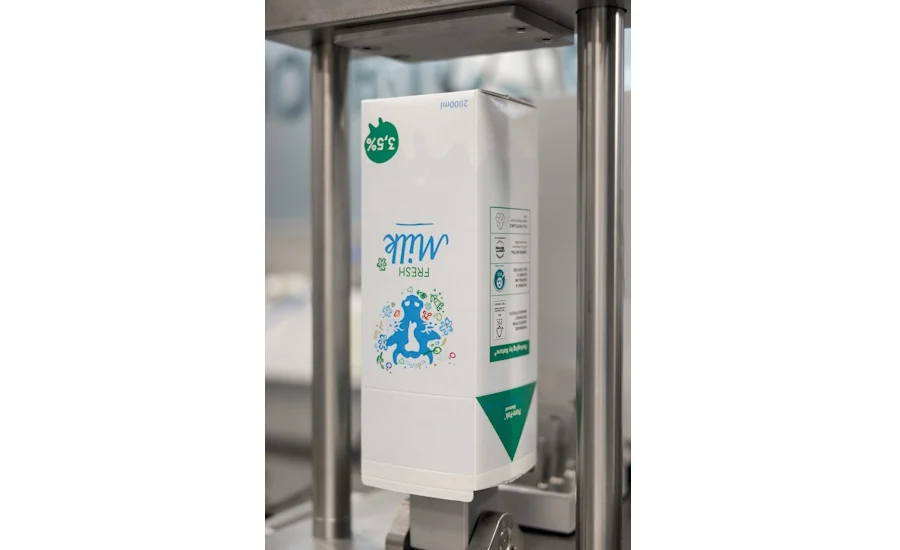
This is where the intersection of mechanical engineering and microbiology becomes the new frontline of sustainability. Ultra-clean filling technology, such as the next-generation systems developed by industry pioneers like Elopak, represents a paradigm shift in how fresh dairy is handled. Unlike standard filling lines, ultra-clean systems operate at an elevated hygiene tier designed to virtually eliminate microbial risks at the point of fill. By utilizing advanced sterilization techniques for both the packaging material and the filling environment—often involving HEPA-filtered air, hydrogen peroxide mists, and UV treatments—these machines ensure that the product enters the carton in a near-sterile state.
The most immediate benefit of this technical precision is a dramatic extension of shelf life. Traditional fresh milk packaging might offer a shelf life of 10 to 21 days under refrigerated conditions. However, the latest ultra-clean machines, such as Elopak’s UCe model, can extend the freshness window of chilled milk to as long as 60 days. This four-fold increase in longevity fundamentally alters the logistics of dairy distribution. It allows for longer transport routes, reducing the frequency of delivery runs and optimizing truck loads, which in turn lowers the carbon footprint of the distribution network. More importantly, it provides a much larger "buffer" for retailers and consumers, drastically reducing the volume of product that is "poured down the drain" simply because it reached its expiration date before it could be consumed.
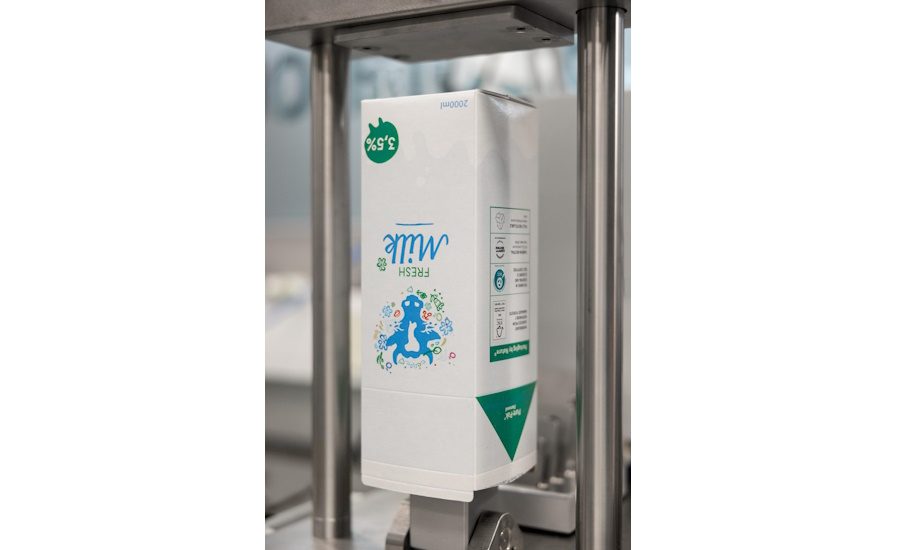
Beyond the consumer’s kitchen, the efficiency of the filling line itself plays a major role in waste reduction. In a typical dairy plant, the transition between different product runs—moving from whole milk to 2% milk, or from conventional to organic—is a point of significant material and product loss. Every "changeover" requires flushing the system, often resulting in gallons of perfectly good milk being diverted to waste streams. Modern ultra-clean filling systems are engineered for high-velocity precision, utilizing automated cleaning-in-place (CIP) and sterilization-in-place (SIP) protocols that minimize downtime and product loss. By shortening these transitions and ensuring more accurate fill volumes, dairies can maximize the yield from every gallon of raw milk processed.
The real-world impact of these advancements is already being documented in European markets. In Italy, a country with a deeply ingrained culture of fresh dairy consumption, several mid-sized dairies have recently deployed ultra-clean filling technology to modernize their operations. These facilities have reported a dual benefit: a measurable reduction in internal production waste and a significant boost in the competitive quality of their product on retail shelves. By providing a product that stays fresh longer without the need for high-heat treatments that can alter the taste profile (such as UHT), these dairies are meeting consumer demand for "pure" fresh milk while simultaneously hitting aggressive sustainability targets.
This shift is also being driven by the evolving requirements of the retail sector. Global retail giants are increasingly scrutinizing their Scope 3 emissions—the indirect emissions that occur in a company’s value chain. For a supermarket, the waste generated by expired dairy products on their shelves is a significant contributor to their environmental footprint. Dairies that can provide products with extended shelf life and lower production waste are increasingly being prioritized in "ranging conversations." In this context, a capital investment in high-end filling technology is not just an operational expense; it is a strategic commercial differentiator that secures a brand’s place on the shelf.
Furthermore, the Life Cycle Assessment (LCA) of dairy packaging becomes much more favorable when filling efficiency is factored in. While studies, including a 2021 Elopak Global report, have shown that beverage cartons already have a lower carbon footprint than plastic or glass alternatives in the North American market, those benefits are amplified when the "system" is optimized. A carton made from 100% renewable forest materials is a victory for the circular economy, but that victory is hollow if the milk inside spoils prematurely. The synergy between sustainable materials and ultra-clean filling technology ensures that the environmental investment made in the packaging is fully realized by the end consumer.
As the industry looks toward 2030 and beyond, the definition of "sustainable packaging" will continue to broaden. It will encompass the digitalization of the filling line, where AI-driven sensors monitor hygiene levels in real-time to prevent batches from being wasted due to minor fluctuations in temperature or pressure. It will include the integration of "smart" packaging that can communicate with the filling machine to ensure the perfect, waste-free seal every time.
Ultimately, the dairy industry’s journey toward true sustainability must move "beyond the carton." While material innovation will always be a cornerstone of environmental progress, the invisible work performed by the filling line is what determines whether those materials fulfill their purpose. By investing in ultra-clean technology, dairy producers are addressing the root causes of food waste, lowering their carbon intensity, and providing a more resilient food supply for a growing global population. In the high-stakes world of climate change and resource scarcity, the most sustainable product is the one that is never wasted. Filling technology is the bridge that ensures we reach that goal, turning the promise of a recyclable carton into the reality of a waste-free value chain.