
The "bag-in-box" format has reigned supreme in the cereal industry for decades, providing a sturdy, stackable, and brand-friendly silhouette on grocery store shelves worldwide. From a logistics and manufacturing standpoint, this packaging architecture is nearly perfect; it allows for high-speed filling, efficient palletization, and excellent protection during the rigors of global supply chains. However, for the end consumer, the experience often takes a frustrating turn the moment the perforated cardboard top is breached. Once the inner plastic liner is snipped or torn open, the structural integrity of the "seal" effectively vanishes. For generations, the solution has been a primitive "roll and tuck" method—folding the top of the bag and wedging it back into the box—which rarely provides an airtight barrier. The consequences are a staple of the modern kitchen: premature staleness, loss of that signature crunch, and the occasional "cereal avalanche" where the contents spill into the crevices of the cupboard.
Recognizing this persistent gap between manufacturing efficiency and consumer satisfaction, Sealstrip Corporation has introduced Roll&Seal, a sophisticated pressure-sensitive reseal system designed specifically to bridge the divide. This innovation does not seek to reinvent the wheel by discarding the bag-in-box format; rather, it augments the existing structure with a functional, integrated closure that transforms a disposable liner into a high-performance, reusable container. By addressing the physics of food spoilage—namely oxidation and moisture ingress—this technology aims to extend the shelf life of cereal long after the box has entered the home.
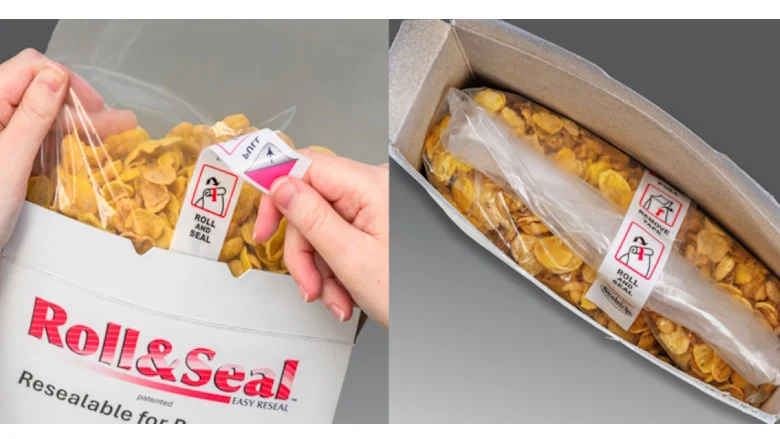
The mechanics of the Roll&Seal system are rooted in simplicity and ergonomics. At the heart of the consumer-facing innovation is a pressure-sensitive tape applied directly to the upper portion of the inner cereal liner. The process for the consumer is intuitive: after the initial opening and pouring of the product, the user removes a small strip of reseal tape. They then roll the top of the bag down to expel excess air—a critical step in maintaining freshness—and reapply the tape over the rolled section to secure it firmly against the body of the bag. This creates a tight, consistent seal that remains effective through dozens of uses. Unlike external clips, which are easily lost, or rubber bands, which are cumbersome, the Roll&Seal feature is permanently integrated into the packaging, ensuring it is always available when needed.
From a manufacturing perspective, the introduction of any new feature to a high-speed production line is usually met with trepidation. In the world of Consumer Packaged Goods (CPG), every millisecond of "dwell time" and every inch of floor space is calculated with extreme precision. The engineers behind Roll&Seal anticipated these concerns by designing the system as a seamless retrofit. Rather than requiring a complete overhaul of the packaging line or the installation of massive new machinery, the Roll&Seal applicator is installed in the film unwind area. This strategic placement is vital; it allows the reseal functionality to be added to the film before it ever reaches the forming, filling, or sealing stations. By staying out of the way of the primary packaging mechanics, the system ensures that production speeds remain optimized and the integrity of the primary seals is never compromised.
The technical specifications of the system further highlight its industrial viability. The applicator is controlled by a sophisticated Programmable Logic Controller (PLC), which synchronizes the tape application with the speed of the film. One of the most impressive metrics of the system is its material efficiency. A single roll of Roll&Seal tape is capable of equipping more than 21,000 individual cereal packages. This high-capacity design translates to fewer changeovers, less downtime for operators, and a significantly reduced labor burden. In an industry where margins are often razor-thin, the ability to add a premium "value-added" feature without sacrificing operational throughput is a significant competitive advantage.

Sustainability and cost-control are also central to the Roll&Seal value proposition. In recent years, the packaging industry has faced immense pressure to reduce material usage and minimize environmental impact. Traditional resealable options, such as heavy plastic zippers or sliders, often add significant weight and complexity to the waste stream. In contrast, Roll&Seal utilizes an intermittent application method. Instead of running a continuous bead of adhesive or a full-width strip of plastic, the system applies a short, targeted length of tape exactly where it is needed. This "less is more" philosophy serves two purposes: it keeps material costs low and ensures that the tape does not interfere with the heat-sealing jaws of the bag-making machine. Furthermore, by keeping cereal fresh for longer, the system directly combats the massive problem of household food waste—a major contributor to global carbon emissions.
The timing of this innovation coincides with shifting consumer behaviors. As the "bulk-buy" trend continues to grow and families opt for larger, "family-sized" or "mega-size" cereal boxes, the need for effective resealing becomes even more acute. A large box of cereal may sit in a pantry for two to three weeks; without a proper seal, the final bowls of cereal are often unpalatable, leading consumers to discard the product and potentially view the brand unfavorably. By providing a reliable way to maintain the "first-bowl freshness" until the very bottom of the bag, brands can foster greater consumer loyalty and reduce the likelihood of "brand switching" caused by a poor product experience.
Currently, the Roll&Seal system is moving through critical market evaluations and pilot programs within the cereal industry. Early feedback suggests that the industry is hungry for solutions that prioritize "ease of implementation." Many manufacturers are hesitant to move away from the bag-in-box format because of the massive capital investment already present in their current facilities. Roll&Seal offers a "middle path"—it provides the high-tech functionality of modern flexible packaging while preserving the traditional, efficient box format that the industry knows best.
The application of the tape is also designed with the "moment of truth" in mind. The tape features registered printed directions, ensuring that the consumer knows exactly how to use the feature. This repeatable, registered placement near the top of the bag ensures that the branding remains professional and the user experience remains consistent across millions of units. It eliminates the guesswork and the "struggle" often associated with opening and closing industrial-grade plastic liners.
In conclusion, the Roll&Seal system represents a thoughtful evolution in food packaging. It acknowledges that the "bag-in-box" is here to stay, but refuses to accept that staleness and spills are an inevitable part of the cereal-eating experience. By combining clever mechanical engineering on the production floor with a simple, intuitive interface for the consumer, Sealstrip has addressed a decades-old grievance. As the system moves from trials to wide-scale adoption, it stands to set a new standard for what consumers expect from their breakfast staples. The era of the "tuck and pray" method may finally be coming to an end, replaced by a secure, integrated, and sustainable seal that keeps the crunch in the bowl and the waste out of the landfill. For cereal brands looking to differentiate themselves in a crowded aisle, this technology offers a rare opportunity to improve the product’s performance at the exact moment it matters most: the breakfast table.