
The corridors of corporate power in London are currently witnessing one of the most significant structural realignments in the history of the consumer goods industry. Unilever, a titan that has long defined the "everything for everyone" conglomerate model, is officially signaling the end of an era. Following the successful separation of its massive ice cream operations into a standalone entity, the company has confirmed that it is now in active negotiations to divest or merge its core foods division. This move represents a decisive pivot toward a future defined not by pantry staples and condiments, but by high-margin beauty, wellness, and personal care products. The confirmation of talks with U.S.-based McCormick & Company, Inc. marks a watershed moment, suggesting that the home of Hellmann’s and Knorr may soon find a new corporate parent, allowing Unilever to complete its transformation into a specialized powerhouse of health and aesthetics.
The announcement, which sent ripples through the London Stock Exchange, saw Unilever’s shares climb by 1.2 percent to 46.27 pounds during late morning trading on Friday, March 20. This investor optimism is a direct response to what many analysts see as a long-overdue streamlining of a portfolio that had become increasingly difficult to manage in a rapidly evolving global market. For decades, Unilever was synonymous with the "dual-engine" strategy—balancing the steady, defensive cash flows of food and refreshments with the high-growth, high-innovation cycles of beauty and personal care. However, as consumer preferences shift toward longevity, wellness, and premium self-care, the sluggish growth profiles of traditional food categories have begun to weigh on the company’s valuation.
The potential suitor, McCormick & Company, Inc., is a powerhouse in its own right. Known for dominating the global spice, seasoning, and flavoring market with brands like Old Bay, French’s, and Schwartz, McCormick represents a logical strategic fit for Unilever’s food assets. While Unilever’s board was careful to describe the food division as a "highly attractive business" with "market-leading brands in growing categories," the admission that they received an "inbound offer" and are in active discussions signals a shift from passive ownership to active exit strategy. Although the spokesperson for the company declined to provide specifics on whether the deal would involve a total sale, a merger, or a spin-off of specific iconic brands like Marmite or Colman’s, the intent is clear: Unilever is clearing the decks.
This strategic pruning is not an isolated event but the second act in a larger play. Late last year, Unilever successfully navigated the complex spin-off of its ice cream division, now operating as The Magnum Ice Cream Company. By listing the world’s largest ice cream business across three major exchanges—Amsterdam, London, and New York—Unilever proved it could unlock shareholder value by letting its diverse divisions breathe on their own. The ice cream business, while profitable, operated on a radically different supply chain and seasonal rhythm than the rest of the portfolio. By removing it, management freed up significant cognitive and financial capital. The food division is now the next logical piece of the puzzle to be reconsidered.
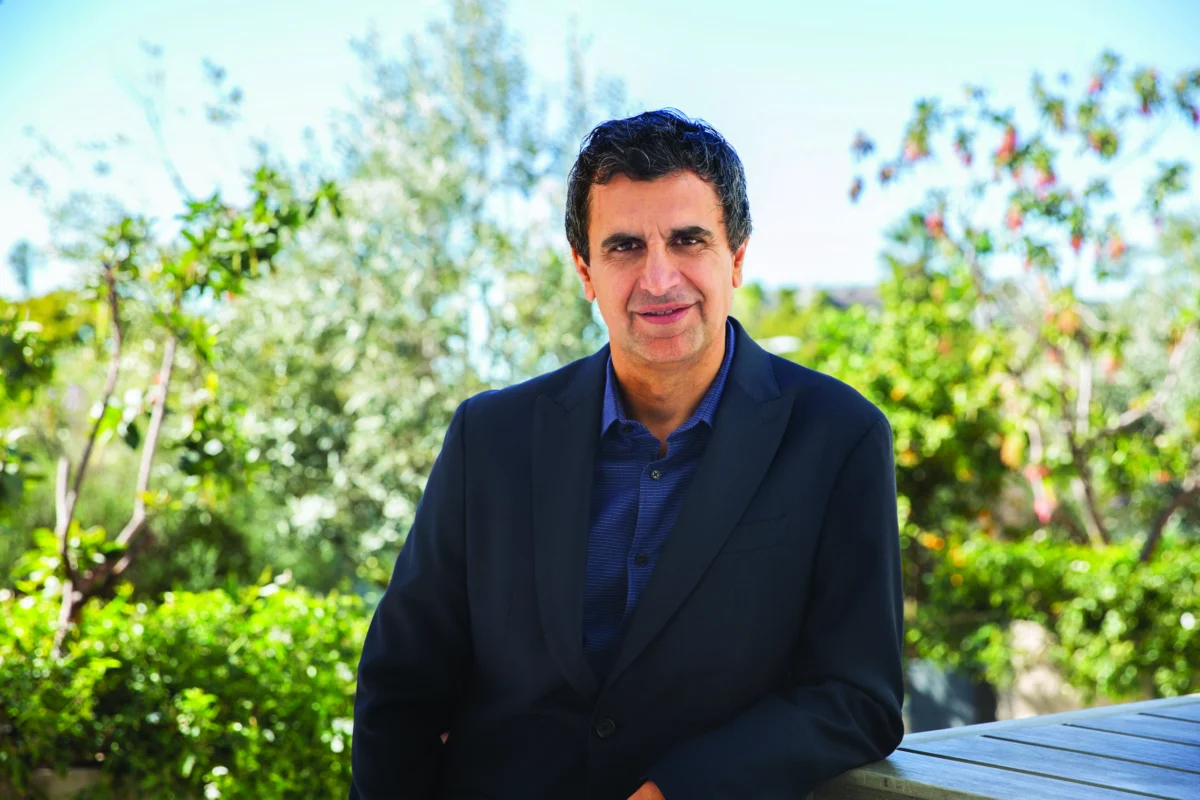
At the heart of this radical reorganization is the vision of Chief Executive Officer Fernando Fernandez. During his presentation of the company’s first-half results last July, Fernandez laid out a roadmap that prioritized "disproportionate investment" in specific high-growth areas. His mandate is simple but ambitious: transform Unilever into a "marketing and sales machine" that focuses on "power brands" to deliver consistent volume growth and gross margin expansion. The goal is to move the needle so that beauty and personal care, which currently account for roughly 51 percent of total sales, will eventually represent two-thirds of the company’s total revenue.
The shift toward beauty and wellness is not merely about chasing trends; it is about the superior economics of the category. While the food industry is currently grappling with razor-thin margins, intense private-label competition, and the inflationary pressures of raw commodities, the beauty and wellness sector offers higher price elasticity and deeper consumer loyalty. Unilever’s Beauty & Wellbeing division is already a juggernaut, valued at approximately 13.2 billion euros. It houses what Fernandez calls "power brands"—the 30 labels that generate more than 70 percent of the company’s total turnover. These include global household names like Dove and Vaseline, but also a new generation of high-performance brands like Nutrafol, Liquid I.V., and Paula’s Choice.
Nutrafol, a leader in hair wellness and "nutricosmetics," and Liquid I.V., a hydration innovator, represent the "wellness" side of the company’s new identity. These brands bridge the gap between traditional personal care and pharmaceutical-grade health supplements, a sector that is seeing explosive growth as aging populations in the West and burgeoning middle classes in the East prioritize longevity and preventative health. By doubling down on these segments, Unilever is positioning itself to compete not with traditional food rivals like Nestlé or Kraft Heinz, but with prestige beauty and health conglomerates like L’Oréal and Estée Lauder.
The geographic focus of this "New Unilever" is equally specific. Fernandez has identified the United States and India as the primary engines of future growth. The U.S. remains the world’s largest market for premium beauty and digital commerce innovation, while India offers a massive, young demographic that is increasingly moving toward branded personal care products. By narrowing its focus to these two regions and its 30 most powerful brands, Unilever aims to eliminate the "conglomerate discount" that has historically suppressed its stock price compared to more focused competitors.
However, the path to this beauty-centric future is not without its challenges. The food division, despite being slated for potential separation, remains a cash-generating engine. Brands like Knorr and Hellmann’s possess immense global reach and deep roots in consumer kitchens. Selling or merging these assets requires a delicate balance to ensure that the remaining "core" Unilever does not lose too much of its scale-related negotiating power with global retailers. Furthermore, the "inbound offer" from McCormick suggests that the market sees immense untapped value in these food brands—value that Unilever believes it can no longer maximize while its attention is divided.
Industry observers are also watching how Unilever integrates its recent forays into the "longevity" market. The company’s venture arm recently invested in Novos, a biotech-focused longevity brand, further signaling that the future of Unilever is tied to the science of aging and cellular health. This is a far cry from the company’s origins in Victorian-era soap and margarine. The transition from "staples" to "science" is the defining theme of the Fernandez era.
As the talks with McCormick progress, the financial community remains on high alert. There is "no certainty that any transaction will be agreed," as the company’s statement cautioned, but the mere existence of these high-level discussions confirms that the old Unilever is dead. The new Unilever is leaner, more focused, and unapologetically aggressive in its pursuit of the beauty and wellness dollar. By shedding the weight of its ice cream and food divisions, the company is attempting to prove that in the modern consumer landscape, being "everything to everyone" is a recipe for stagnation, while being a specialist in the science of self-care is the path to sustainable, high-margin growth.
The coming months will likely reveal the final structure of this deal. Whether it results in a massive merger that creates a global flavoring and food giant under the McCormick banner, or a clean sale that provides Unilever with a multi-billion-dollar war chest for further beauty acquisitions, the outcome will be the same: a fundamental redrawing of the consumer goods map. Unilever is no longer just a company that stocks your pantry; it is a company that wants to dominate your bathroom cabinet, your supplement routine, and your digital shopping cart. The transformation is nearly complete, and the world is watching to see if this pivot to beauty will indeed deliver the "wellness" that shareholders have been craving.