
The global denim industry stands at a historical and economic crossroads, entering a transformative era defined by geopolitical recalibration, technological breakthroughs, and a profound shift in cultural storytelling. As we look toward the Spring 2026 season, the sector is moving far beyond its humble origins as rugged workwear for the 19th-century laborer. Today, denim is being reimagined as a high-tech, luxury-aligned, and socially conscious medium. This evolution is happening against the backdrop of the United States’ upcoming 250th anniversary—the Semiquincentennial—which offers a unique, if complex, opportunity for brands to lean into the "Americana" aesthetic while navigating a fragmented global sentiment.
The sourcing map of the denim world is currently being redrawn by a confluence of trade tensions and the move toward regionalization. For decades, the industry relied on a sprawling, often opaque global supply chain. However, the Spring 2026 outlook suggests a definitive shift toward nearshoring and "friend-shoring." As trade disputes between major economic blocs intensify and logistics costs remain volatile, manufacturers are seeking stability closer to home. For the North American market, this has spurred a resurgence in interest in Mexican and Central American production hubs, while European brands are looking more closely at Turkey and Portugal. This shift is not merely about avoiding tariffs; it is about agility. In an era where fashion cycles are dictated by viral social media trends, the ability to move from design to shelf in weeks rather than months is the ultimate competitive advantage.
Parallel to these logistical shifts is a fundamental change in the "ingredients" of denim. The traditional 100 percent cotton construction is increasingly sharing space with innovative material compositions. Mills are now prioritizing a "luxe touch," blending traditional cotton with lyocell, hemp, and even recycled silk to create fabrics that offer the durability of denim with the hand-feel of high-end tailoring. This material evolution is driven by two factors: the "Quiet Luxury" trend, which demands sophisticated textures, and an urgent mandate for sustainability. As the European Union moves forward with stricter textile regulations and the Digital Product Passport, denim mills are investing heavily in regenerative agriculture and circularity. Spring 2026 denim is not just about the look; it is about the bio-based dyes, the waterless finishing techniques, and the ability to track a pair of jeans from the cotton field to the recycling bin.
Technology is the engine room of this denim renaissance. The industry is moving away from the chemically intensive and water-heavy processes of the past. Manufacturers are now adopting artificial intelligence (AI) and laser-finishing technologies to achieve the coveted "worn-in" look without the environmental toll of traditional stone washing or potassium permanganate. AI is also playing a critical role in demand forecasting, helping brands minimize overproduction—the industry’s greatest sustainability hurdle. By analyzing vast amounts of consumer data, brands can now produce smaller, more targeted collections that resonate with specific demographics, reducing the need for deep discounting and landfill-bound excess inventory.
Perhaps the most culturally significant theme for the Spring 2026 season is the 250th anniversary of the United States. Denim is arguably the most recognizable American contribution to the global wardrobe. The modern five-pocket jean was born in the crucible of the California Gold Rush, patented by Levi Strauss and Jacob Davis in 1873. As the U.S. prepares for its milestone birthday in 2026, heritage brands have a golden opportunity to celebrate this legacy. However, the marketing landscape is more treacherous than in previous eras. The political climate in the United States remains deeply polarized, and global perceptions of "Americana" are more nuanced than they were during the bicentennial celebrations of 1976.
For brands, the challenge for Spring 2026 is to find a brand of patriotism that feels inclusive rather than divisive. This means moving beyond simple flag-waving and instead focusing on the values of craftsmanship, innovation, and the diverse stories of the people who have worn denim throughout history. We are seeing a shift toward "New Americana," a design philosophy that honors the rugged spirit of the West while acknowledging the modern, multicultural reality of the United States. This involves collaborations with local artisans, the use of domestic cotton, and a commitment to "Made in USA" initiatives that emphasize quality and ethical labor practices over mere nationalistic sentiment.
While heritage provides the foundation, the spirit of denim is also being energized by its growing presence in the world of high-stakes athletics. Denim brands are increasingly positioning themselves at the center of major sporting events, from the 2026 FIFA World Cup, which will be hosted across North America, to the continued influence of Olympic fashion and Super Bowl spectacles. The intersection of sports and denim represents a massive cultural connection point. Athletes have become the new fashion icons, and their "tunnel walks"—the walk from the bus to the locker room—have become high-fashion runways.
In response, denim brands are moving into the athletic space through strategic partnerships and performance-driven designs. We are seeing "athletic-fit" denim that incorporates high-recovery stretch fabrics, allowing for a tailored look that doesn’t compromise on the mobility required by a professional athlete’s physique. Furthermore, the 2026 sporting calendar provides a platform for limited-edition merchandise that blends team pride with premium denim. These moments allow brands to tap into the emotional loyalty of sports fans, creating a sense of community that transcends traditional fashion boundaries.
The silhouette trends for Spring 2026 also reflect this broader cultural shift. The "skinny jean" era has firmly given way to more relaxed, architectural shapes. Wide-leg trousers, barrel-leg cuts, and oversized "dad" jeans are dominating the forecast. These silhouettes not only offer more comfort but also serve as a canvas for the "luxe" finishes and intricate details that mills are now capable of producing. We are seeing a rise in "denim-on-denim" dressing—the Canadian Tuxedo reimagined for the runway—featuring sophisticated layering and tonal variations that elevate the look from casual to avant-garde.
As we look toward the mid-point of the decade, the denim industry’s resilience is on full display. Despite the challenges of inflation, shifting consumer habits, and geopolitical instability, the market is finding new ways to stay relevant. The Spring 2026 season will be defined by a delicate balance: honoring the 250-year-old roots of American denim while embracing the cutting-edge technologies that will carry the industry into the next century. It is a period of "radical transparency," where consumers are no longer satisfied with just a good fit; they want to know the story behind the stitch.
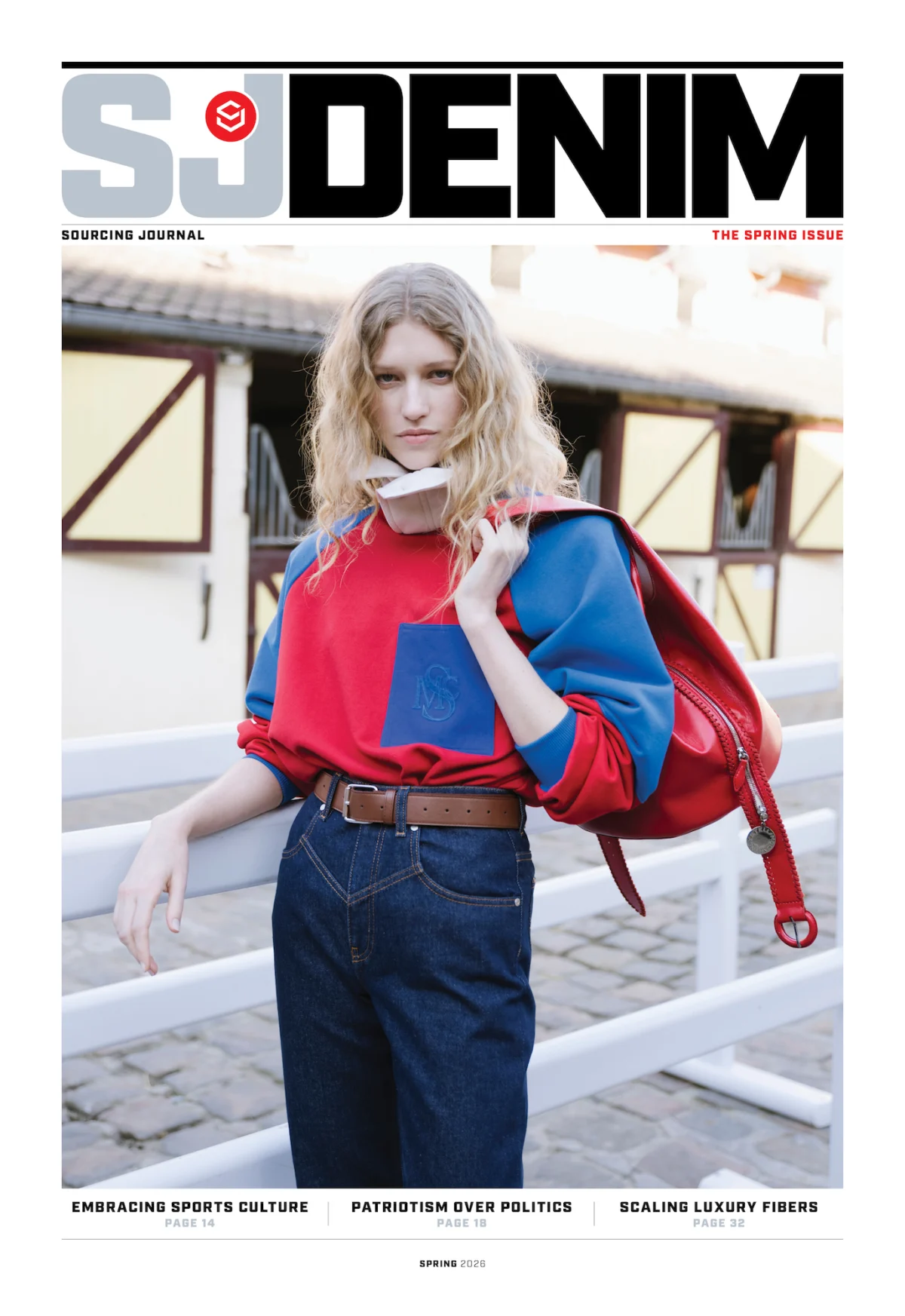
In conclusion, the Spring 2026 denim landscape is one of sophisticated dualities. It is where heritage meets high-tech, where local craftsmanship meets global strategy, and where the ruggedness of the past meets the refined luxury of the future. For brands, retailers, and manufacturers, the key to success lies in authenticity. Whether it is through navigating the complexities of American heritage, investing in the next generation of sustainable materials, or capturing the cultural lightning of a major sporting event, the goal remains the same: to reinvent the world’s most versatile fabric for a new and demanding era. The upcoming issue of SJ Denim serves as a roadmap for this journey, providing the insights necessary to navigate a market that is as volatile as it is vibrant. As we approach 2026, denim is not just surviving; it is leading the charge toward a more thoughtful and innovative fashion industry.