
Leatherworking is an ancient craft, but its modern iteration thrives on the ability to personalize and distinguish each piece. At the heart of this customization lies leather stamping—a dynamic technique that transforms plain hide into intricate, textured, and deeply personal artifacts. Whether you are crafting bespoke luxury goods, durable utility items, or simply seeking a meditative hobby, the sheer variety of available tools determines the limits of your artistic expression. For serious artisans and enthusiastic beginners, understanding and utilizing a comprehensive arsenal of implements is paramount. We delve into an expansive collection of 115 distinct leather stamping tools, covering the fundamental building blocks of letters and numbers, complex geometric shapes, and captivating decorative designs, demonstrating how this vast selection can elevate any leather creation from simple functionality to extraordinary heirloom quality.

The Art of Impression: Stamping vs. Tooling
While often used interchangeably, stamping and tooling represent slightly different facets of leather decoration. Tooling (or carving) involves manipulating the leather surface using hand tools like the swivel knife and modeling spoons to create complex, dimensional scenes and patterns, often requiring significant skill and time. Stamping, conversely, involves striking specialized metal tools perpendicular to the leather surface with a mallet, driving the face of the tool deep into the material to create a permanent, uniform impression. Stamping is the fastest and most efficient way to apply repetitive texture or precise text.

The effectiveness of any stamp depends heavily on the preparation of the leather, a process known as "casing." Casing involves thoroughly dampening vegetable-tanned leather to soften the fibers without soaking them completely. This precise moisture content is critical, allowing the material to receive and permanently hold the stamped impression once dried. The 115 tools compiled here are designed for optimal performance on properly cased leather, ensuring crisp, deep, and lasting results on items ranging from heavy-duty belts to delicate wallets and sophisticated canvas bag accents.

Section 1: The Essential Core—Letters and Numbers
The most practical and foundational stamping tools are those dedicated to personalization: the alphabet and number sets. Of the 115 available tools, a significant portion is dedicated to typography, allowing for branding, monograms, dates, and meaningful phrases.

Monogramming and Branding:
For centuries, stamping initials or proprietary marks has served as a mark of ownership and quality. A diverse collection must include multiple font styles and sizes to suit different projects.

- Block Fonts: These simple, robust stamps (often including 26 uppercase and 26 lowercase letters, plus 10 numbers) offer clean, industrial-style results perfect for utility belts, key fobs, and heavy-duty canvas bag patches. They provide excellent legibility.
- Serif Fonts: Offering a classic, sophisticated aesthetic, serif sets lend themselves well to luxury items like fine leather wallets and bespoke satchels, conveying traditional craftsmanship.
- Script and Calligraphic Fonts: These are ideal for adding flair and artistic elegance. While slightly more challenging to align perfectly, the resulting cursive initials or names elevate a piece into a truly unique gift.
- Date and Sequential Numbers: Essential for production tracking, dating commemorative items, or stamping serial numbers onto high-volume products, number sets must be durable and available in various sizes to match accompanying text stamps.
The variety within these basic sets—accounting for different sizes, typefaces, and accompanying punctuation—easily makes up the first 50 or so stamps in any comprehensive collection, providing the necessary infrastructure for bespoke leather goods.

Section 2: Texture, Borders, and Geometric Depth
Beyond text, the majority of the 115 tools are devoted to creating texture and structure. These pattern stamps define the overall look of the leather piece, transitioning it from a smooth surface to a richly decorated canvas.

Geometric and Basketweave Stamps:
These stamps are used for background filling and creating structured patterns that mimic woven materials. They add visual weight and contrast beautifully with smooth sections of the leather.

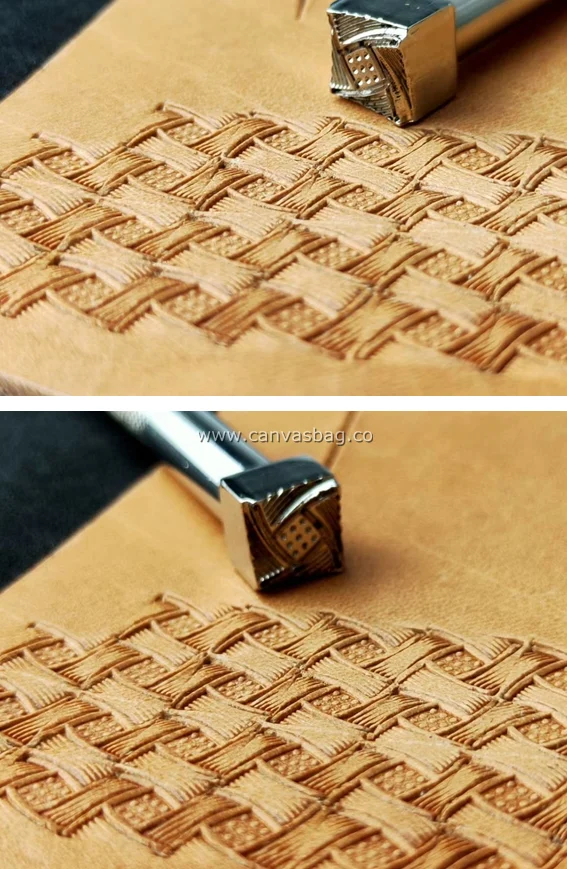
- Basketweave Stamps: Perhaps the most popular category, these stamps (available in various angles and sizes) create an interlocking pattern that suggests braided materials. They are crucial for decorating belts and large sections of bags.
- Checkering and Grid Stamps: Used for creating uniform, tightly packed textures that provide grip or subtle contrast.
- Border Stamps: These specialized stamps are long, narrow tools used to create continuous lines of decorative patterns (such as rope, vine, or simple geometric repetition) along the edges of a wallet or belt, framing the piece elegantly. The collection of 115 would feature dozens of unique border styles, from simple parallel lines to complex scrollwork.
Backgrounding Tools (Mules and Matting Stamps):
These tools are essential for making carved or intricate foreground elements truly pop. Backgrounding tools, such as the classic "mule foot" or textured matting stamps, are used to depress the leather surrounding a main design element. This contrast creates an illusion of depth and makes the primary motif appear raised and prominent. The density and subtlety of these background textures are highly variable, allowing for different visual effects—from rough, stippled looks to fine, smooth depressions.

Section 3: Artistic Expression and Figural Designs
The pinnacle of leather stamping lies in decorative and figural designs. These stamps, often drawing inspiration from nature, history, or specific cultural motifs, allow the artisan to tell a story or establish a theme for their creation.

Nature and Western Motifs:
The heritage of leather tooling, particularly in North America, is deeply rooted in Western saddle and gear decoration.

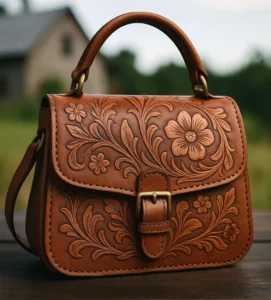
- Flora: Stamps depicting flowers (like roses, daisies, and sunflowers), leaves, and vines are essential for creating classic Western floral carving patterns. These range from simple, silhouette stamps to complex, dimensional petal stamps that require careful angling.
- Fauna: Stamps featuring animal prints, heads (e.g., steer, horse), or abstract animal shapes allow for theme-specific projects, especially popular for ranch gear or outdoors-themed bags.
- Architectural and Symbolic Stamps: Including elements like hearts, stars, shields, and knots, these tools allow for symbolic personalization and quick decoration on smaller items like keychains and luggage tags.
Abstract and Modern Designs:
Contemporary leather stamping expands far beyond traditional Western styles. Modern stamping tools often feature abstract geometric patterns, Celtic knots, or stylized art deco designs. These stamps cater to a minimalist or modern aesthetic, proving that stamping is not limited to rustic goods but can enhance sleek, urban accessories. Having 115 distinct options ensures that an artisan can mix traditional depth stamps with modern, clean-line impressions.

Integrating the Tools into Core Leather Projects
The 115 tools are not just a collection of metal heads; they are a library of expressive possibilities applied across specific projects:

- Belts: Belts rely heavily on repeating patterns (like basketweave) and defined borders. A single belt often utilizes three distinct types of stamps: the border stamps to frame the edges, the geometric field stamps for the main body, and a specialized alphabet set for stamping the maker’s mark or the wearer’s initials near the buckle.
- Wallets and Small Goods: These smaller canvases demand precision. Tiny letter sets are crucial for discrete monograms on the interior card slots, while small, intricate figural stamps (like small stars or diamonds) are used to decorate the corners or snap closures. Stainless steel tools are particularly prized here for their durability and ability to produce sharp, precise lines on thin leather.
- Bags (Canvas and Leather): Larger surfaces allow for expansive tooling fields. On leather bags or leather elements of canvas bags (like straps, handles, or corner protectors), the 115 collection enables complex scenes. An artisan might use large floral stamps, backgrounding tools to create contrast, and then finish the piece with a personalized tag stamped using a decorative alphabet set.
Achieving Professional Results: Quality and Technique
The material composition of the stamping tools themselves is critical. The best tools, often specified as Stainless Leather Stamping Tools, offer superior durability, resistance to rust (important when working with wet leather), and maintain a sharper, cleaner stamping face over thousands of uses compared to standard plated steel or cheaper alloys.

For those just beginning to explore the depth offered by a 115-tool collection, proper technique is key:

- Uniform Casing: Ensure the leather moisture level is consistent across the piece for even impressions.
- Perpendicular Strike: Always strike the tool face straight down with a heavy, professional mallet (rawhide or poly-head mallets are preferred). Tilting the stamp will result in a shallow, blurry impression on one side.
- Practice on Scraps: Master the pressure required for each tool—a deep background stamp needs more force than a fine border stamp.
This extensive compilation of 115 stamping tools—covering every conceivable letter, number, geometric pattern, and artistic design—provides the leather craftsman with virtually unlimited resources to personalize and elevate their creations. By mastering these tools, ordinary leather is truly transformed into personalized, extraordinary artistry.