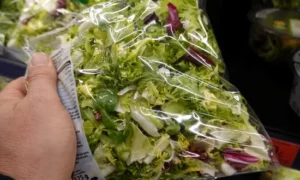

The global packaging industry is currently grappling with a monumental environmental crisis: the proliferation of small-format flexible plastics. As consumer demand for convenience and affordability drives the production of single-use sachets and snack wrappers, the environmental toll has become impossible to ignore. According to data from the Ellen MacArthur Foundation, an estimated 25,000 items of flexible packaging enter the world’s oceans every single second. This alarming statistic has forced industry titans like Unilever and PepsiCo to confront a difficult reality—while plastic has long been the gold standard for preserving food safety and shelf life, its legacy as a non-recyclable pollutant is no longer tenable.
The Dilemma of Small-Format Packaging
For multinational corporations, the challenge of replacing flexible plastic is not merely a matter of environmental policy; it is a complex intersection of logistics, consumer economics, and material science. Pablo Costa, Unilever’s Global Head of Packaging, Digital & Transformation, notes that flexible packaging serves a vital function in emerging markets across South Asia and Southeast Asia. In regions like Indonesia and Thailand, millions of low-income consumers rely on "sachet culture"—small, affordable portions of essential goods that allow them to participate in the economy. For these consumers, larger, more sustainable, or recyclable formats are simply cost-prohibitive.
The problem, however, is that this packaging is notoriously difficult to collect and recycle. Unlike rigid plastics or cardboard, these multi-layer, ultra-thin films are often contaminated with food residue and lack a cohesive end-of-life infrastructure. As companies search for alternatives, paper has emerged as a front-runner. Yet, industry experts are quick to warn against viewing paper as a "silver bullet."
The Functional Limitations of Paper
While consumers often perceive paper as inherently more sustainable than plastic, the transition is fraught with technical hurdles. Christiane Waldron, Senior Director of Global Sustainability Strategy at PepsiCo, emphasizes that the primary goal of any packaging must remain the preservation of product quality and hygiene. "Plastic conserves the quality and hygiene of our food," Waldron explains. "If we were to pivot entirely to paper without the necessary innovations, we would risk a massive increase in food waste, which carries its own significant environmental carbon footprint."
Beyond the preservation issue, there is the matter of physical durability. In many developing markets, goods are transported through harsh environments, often stored in open-air kiosks, and handled multiple times before reaching the consumer. Paper, in its traditional form, often lacks the moisture resistance, grease barriers, and tear strength required to withstand these supply chains.
Furthermore, the existing global manufacturing infrastructure is heavily biased toward plastic. Machinery designed over the last several decades is calibrated to handle the specific properties of polymers. To transition to paper-based flexible packaging, companies must not only develop new, recyclable, and barrier-compliant paper coatings but also invest in a total overhaul of the machinery used on factory floors. As Waldron notes, the last five years have seen an explosion of innovation, but the pace of development must accelerate to address the systemic nature of the problem.
The Need for Collaborative Scale
One of the most critical takeaways from the recent discourse between these industry leaders is that no single company, regardless of its scale, can solve the packaging crisis in isolation. The risk of fragmentation is high; if Unilever, PepsiCo, and other major players each develop proprietary, incompatible packaging solutions, the recycling industry will be unable to achieve the economies of scale necessary to process these new materials effectively.
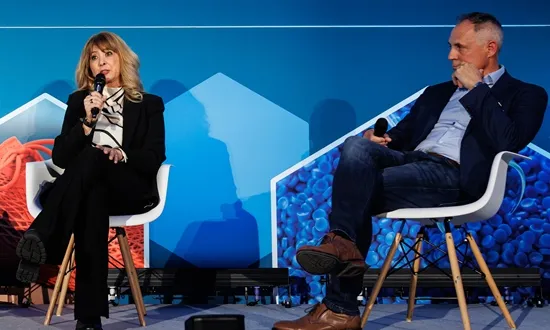
"We are not packaging experts; we are food and beverage companies," says Waldron. Her sentiment underscores a growing shift in corporate philosophy: the realization that sustainability requires an "open-source" approach to material development. Collaborative efforts involving academia, start-ups, recycling facilities, and raw material suppliers—such as forestry and pulp producers—are essential to creating a standardized, viable alternative to flexible plastics.
Unilever’s Costa agrees, highlighting that his organization currently employs 60 material scientists dedicated specifically to the search for plastic replacements. However, he cautions that even with such resources, the company cannot operate in a silo. "We must avoid fragmentation," Costa insists. "If we end up with a hundred different types of ‘sustainable’ packaging that all require different recycling streams, we haven’t actually solved the problem. We’ve just shifted the burden elsewhere."
A Holistic Approach: Beyond the Material
The discussion around paper-based solutions is also pushing major brands to re-evaluate their reliance on single-use formats entirely. PepsiCo has publicly committed to a vision where "packaging never becomes waste," a goal that requires a dual-pronged strategy of material innovation and a shift in consumer behavior. This includes a heavier emphasis on "reduce and reuse" models, which aim to decouple the delivery of goods from the necessity of disposable packaging.
Laura Smith of the Ellen MacArthur Foundation frames the challenge as a systemic shift. She notes that while paper will undoubtedly play a pivotal role in the future of flexible packaging, the industry must transition from speculative discussion to tangible, market-ready implementations. The Ellen MacArthur Foundation is currently working to bridge the gap between these high-level corporate pledges and the practical realities of the supply chain, focusing on how to aggregate demand and create the infrastructure that can handle these new material streams.
The Path Forward
The transition toward paper-based flexible packaging is not merely a material swap; it is a complex, multi-year transformation of the global value chain. For the industry to succeed, it must overcome three primary hurdles:
- Technical Performance: Developing paper coatings that provide the same shelf-life protection and hygiene standards as plastic without compromising the recyclability of the paper substrate.
- Infrastructure Compatibility: Investing in new machinery that can handle paper-based flexible materials at the high speeds required by modern food manufacturing.
- End-of-Life Scalability: Ensuring that the waste management systems in developing and developed nations alike are capable of collecting, sorting, and processing these new materials efficiently.
As these global brands continue to experiment, the emphasis is moving toward a more nuanced understanding of sustainability. It is no longer just about removing plastic; it is about finding the right material for the right application while ensuring that the infrastructure exists to handle that material at the end of its life.
The consensus among industry leaders is clear: paper is a crucial piece of the puzzle, but it is not the entire solution. The future will likely be a mosaic of materials—including advanced, compostable bio-polymers, optimized paper structures, and, where possible, entirely packaging-free delivery systems. By focusing on collaboration rather than competition, and by grounding their innovation in the realities of supply chain logistics, companies like Unilever and PepsiCo hope to eventually turn the tide on the oceanic plastic crisis. The transition will be expensive, technically demanding, and slow, but as the environmental and regulatory pressure mounts, the industry is finally moving from the stage of acknowledging the problem to actively building the solutions of the future.