

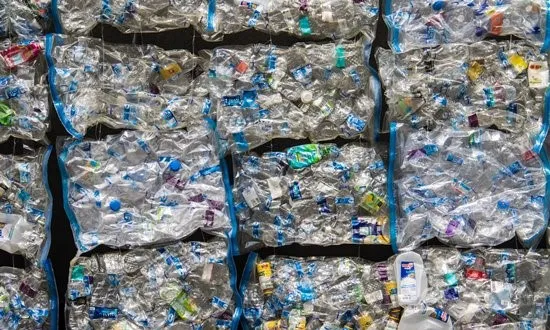
The Great Recycling Gap: Why the UK’s Infrastructure Crisis Threatens Our Circular Economy Ambitions. Despite a flurry of ambitious legislative frameworks designed to overhaul the nation’s waste management systems, the United Kingdom finds itself at a critical crossroads. While policies like the Plastic Packaging Tax, the Packaging Extended Producer Responsibility (EPR) scheme, and the "Simpler Recycling" mandate aim to harmonize collection methods and incentivize sustainable production, the reality on the ground tells a grimmer story. The UK’s domestic recycling infrastructure is not merely struggling; it is undergoing a painful, structural decline, leaving the country dangerously reliant on overseas markets to process its waste.
At the heart of this issue is a stark statistical reality: only 51% of plastic packaging generated in the UK is actually recycled domestically. This figure represents a significant failure to capture the value of secondary materials, forcing the UK to function as a net exporter of waste rather than a hub of circular manufacturing. As the domestic capacity for processing plastic dwindles, the economic and environmental costs of shipping materials abroad continue to mount, undermining the very goals these government reforms set out to achieve.
The Erosion of Capacity: A Sector Under Siege
The challenges facing UK recycling operators are multifaceted, characterized by a "perfect storm" of economic pressures. The industry is currently contending with the volatility of energy prices, which have surged in recent years, alongside the escalating costs of transportation and logistics. These operational burdens are compounded by a harsh global market reality: the persistent availability of cheap, virgin plastic. When new, fossil-fuel-derived plastic remains significantly more affordable than high-quality recycled alternatives, the economic incentive for manufacturers to adopt circular materials evaporates.
The decline is not just anecdotal; it is quantified by the British Plastics Federation. In 2022, the UK’s total plastics recycling capacity was estimated at 1.1 million tonnes. However, the period leading up to January 2025 saw a catastrophic contraction, with approximately 260,000 tonnes of annual recycling capacity disappearing from the market. This represents a significant loss of infrastructure, representing a trend that, if left unchecked, will render the UK’s net-zero and waste reduction targets mathematically impossible to hit.
The Opportunity Cost of Exporting Waste
For industry leaders like Eurokey, the reliance on exporting plastic waste is an indictment of current national strategy. There is, paradoxically, a robust domestic demand for high-quality recycled resins. Manufacturers in the UK—from food packaging producers to consumer electronics firms—are increasingly eager to incorporate recycled content into their products to meet corporate ESG targets and consumer demand. Yet, because the domestic infrastructure is too fragmented or insufficient to process these materials to the necessary purity standards, the waste is shipped overseas.
This process is fundamentally inefficient. It diminishes the economic value retained by UK businesses, as the profit from processing and re-manufacturing is captured abroad. Furthermore, the carbon footprint associated with the international transport of waste is substantial. By failing to process waste locally, the UK is effectively exporting its potential for green job creation and importing higher carbon emissions, which contradicts the government’s broader environmental commitments.
The PRN/PERN Bottleneck
Central to the industry’s struggle is the Packaging Waste Recovery Note (PRN) and Packaging Waste Export Recovery Note (PERN) system. Historically, this system has been criticized for failing to provide a level playing field for domestic reprocessors compared to those exporting waste to overseas facilities. Under the current structure, exporters have often faced fewer administrative hurdles and financial barriers than domestic facilities, which must contend with stringent planning permissions, environmental permitting, and the high cost of UK operations.
Industry advocates argue that the government must expedite the reform of the PRN/PERN system to prioritize domestic processing. By recalibrating these mechanisms, the government could create a financial environment where it is cheaper and more efficient to recycle at home than to export. Such a shift would provide the "certainty of supply and demand" that private investors currently lack. When investors see a stable, long-term policy environment that protects domestic recyclers from the volatility of cheap virgin plastic imports, the capital required to build modern, automated, and high-capacity recycling plants will follow.
Geopolitical Volatility and the Case for Circularity
David Gudgeon, Head of External Affairs at Eurokey by Reconomy, emphasizes that this is not merely a waste management issue—it is a matter of national economic security. In an era of heightened geopolitical instability, the global race to secure critical resources has intensified. As governments worldwide scramble to lock down access to minerals and raw materials necessary for the defense sector, the transition to green energy, and the rapid expansion of artificial intelligence, the fragility of global supply chains has been laid bare.
"Recycling and circularity have an instrumental role to play in boosting economic resilience against further shocks," Gudgeon notes. By ensuring that valuable resources remain within the UK’s borders, the nation can insulate its industries from the whims of international commodity markets. A strong domestic recycling sector acts as a buffer; it ensures that the raw materials needed for essential manufacturing are recovered rather than discarded.
Gudgeon further argues that the government has a unique window of opportunity to pivot. "In this challenging environment, the government should expedite existing reforms to strengthen the UK’s recycling sector. This will deliver immediate economic benefits, support investment and job creation, and help businesses decouple growth from virgin resources while lowering costs and carbon emissions."
A Call for Accelerated Reform
The path forward requires more than just the legislative frameworks already on the books. It requires an aggressive acceleration of implementation. The transition from a linear "take-make-waste" economy to a circular one cannot be achieved if the underlying infrastructure is crumbling.
To bridge the gap, the government must adopt a holistic approach:
- Investment Incentives: Beyond PRN reform, the government should consider direct fiscal support or tax incentives for companies investing in state-of-the-art sorting and chemical recycling technologies.
- Harmonized Standards: While "Simpler Recycling" is a step in the right direction, it must be supported by local authorities that have the funding and the mandate to ensure collection consistency.
- Market Protection: Implementing mechanisms to bridge the price gap between virgin plastics and recycled alternatives—such as a floor price for certain recycled resins—would provide the market stability that current recycling facilities desperately need.
The UK stands at a turning point. The technology and the desire for a circular economy exist, but the infrastructure is currently too weak to support the weight of national ambition. Without urgent intervention to secure and expand domestic capacity, the UK risks becoming a permanent exporter of its own waste, losing out on the economic dividends of the green revolution, and failing to secure the resources necessary for a resilient, future-proofed industrial base. The time for deliberation has passed; the time for decisive investment and policy acceleration is now. Only by keeping waste within our own borders can we truly turn the tide on the current recycling crisis.