

FPA Mobilizes Foodservice Packaging Sector to Lobby MPs Over Flaws in Extended Producer Responsibility Regulations. As the United Kingdom prepares for the full implementation of its ambitious Extended Producer Responsibility (EPR) scheme for packaging, the Foodservice Packaging Association (FPA) has sounded a stark alarm. The trade body is now urging its members—a diverse coalition of manufacturers, distributors, wholesalers, and logistics providers—to directly engage their local Members of Parliament to voice critical concerns regarding the current design and anticipated impacts of the policy. This campaign represents a strategic escalation in the FPA’s ongoing efforts to ensure that the transition to a circular economy does not inadvertently cripple the very businesses essential to the nation’s foodservice supply chain.
At the heart of the FPA’s apprehension is the fear that the current regulatory framework lacks the necessary granularity to ensure a level playing field. While the organization remains publicly committed to the overarching environmental objectives of the EPR scheme—which aims to shift the financial burden of packaging waste management from local taxpayers to the producers themselves—the practical application of the policy is raising significant red flags. The primary concern is that the system, as currently constructed, may fail to capture the full breadth of obligated producers.
In an industry as complex and interconnected as foodservice packaging, the risk of "free-riding"—where certain companies avoid their financial obligations while their law-abiding competitors shoulder the costs—is dangerously high. The FPA argues that without a robust, airtight mechanism to identify and enforce compliance across the entire supply chain, the policy will create a perverse market imbalance. Businesses that diligently comply with reporting and fee requirements will find themselves at a severe competitive disadvantage compared to entities that operate in the shadows, particularly in sectors where supply chains are notoriously opaque, fragmented, or cross-border.
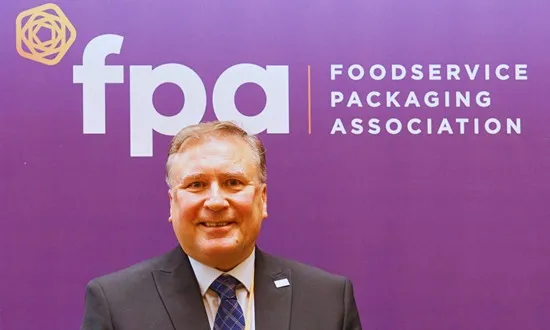
Mike Revell, the executive chair of the FPA, has been vocal about the need for immediate, corrective action. “We support the core mission of Packaging EPR, which is to drive sustainable innovation and improve recycling rates,” Revell stated. “However, for these noble objectives to be met, the system must operate fairly in practice. Currently, we are seeing structural gaps that could penalize the very businesses that are most committed to sustainability. If the playing field is not leveled, we risk incentivizing non-compliance rather than rewarding environmental stewardship.”
The FPA’s call to action is not merely a request for dialogue; it is a calculated effort to bring the realities of the warehouse floor and the factory line into the halls of Westminster. By encouraging members to contact their MPs, the association hopes to translate technical regulatory jargon into tangible economic terms: jobs, local investment, and the viability of small-to-medium enterprises within their constituencies. To facilitate this, the FPA has developed a comprehensive suite of resources, including template letters and briefing documents, designed to assist business leaders in articulating these complex issues to their parliamentary representatives with clarity and impact.
The significance of this lobbying push cannot be overstated. The foodservice packaging sector acts as the logistical backbone of the hospitality and food-to-go industries. From the manufacture of compostable takeaway containers to the complex logistics of wholesale distribution, any disruption or unfair cost burden inevitably ripples outward. If the EPR fees become a disproportionate drain on compliant firms, the resulting price hikes could further strain an already fragile hospitality sector, which is still grappling with the lingering effects of inflation, energy price volatility, and labor shortages.
Furthermore, the FPA is particularly concerned about the regulatory "visibility" of the supply chain. In many instances, the entity responsible for placing packaging on the market is difficult to track, especially in cases involving imported goods or multi-tiered distribution networks. The association has repeatedly warned that if the Environment Agency and the Department for Environment, Food and Rural Affairs (Defra) do not establish a more rigorous oversight framework, the burden of funding the EPR scheme will fall disproportionately on the most transparent and easily identified players in the industry.
This initiative is the latest step in a sustained campaign of advocacy. The FPA has already established a formal record of dissent, having engaged in multiple rounds of correspondence with Defra, the governing body PackUK, and the Environment Agency. In these communications, the FPA has moved beyond mere criticism, offering a series of pragmatic, evidence-based recommendations intended to bridge the gaps in the policy. These suggestions include stricter registration requirements, improved data sharing between customs and environmental regulators, and a more nuanced approach to how "producer" status is defined within the foodservice supply chain.
Despite these efforts, the FPA feels that the pace of reform has been insufficient. The industry is currently operating in a state of high uncertainty, with many businesses struggling to forecast their potential financial exposure under the new regime. This uncertainty is, in itself, a barrier to investment. Companies are currently hesitant to commit capital to green technology or facility upgrades when the looming threat of an inequitable EPR fee structure threatens their bottom line.
The association’s move to mobilize its membership marks a shift from institutional dialogue to grassroots advocacy. By framing the EPR debate as a constituency-level issue, the FPA aims to ensure that MPs are not just hearing from bureaucrats and lobbyists, but from the local business owners who create jobs in their districts. This bottom-up pressure is often the most effective way to force a re-evaluation of high-level policy in the UK political system.
As the industry moves closer to the implementation deadlines, the FPA remains committed to fostering a productive dialogue between the government and the private sector. However, the tone of their communications indicates that patience is wearing thin. The message to policymakers is clear: the current framework is a work in progress that carries the risk of unintended economic consequences. If the government fails to address the inherent flaws regarding compliance verification and market fairness, the transition to a circular economy could be derailed by the very businesses it seeks to regulate.
For the members of the FPA, the path forward is one of cautious persistence. They continue to invest in sustainability, striving to meet the high standards expected of modern packaging providers, but they demand a regulatory environment that matches their commitment with fairness and efficiency. The coming months will be critical, as MPs begin to grapple with the feedback from their constituencies and determine whether further revisions to the EPR legislation are necessary to safeguard the future of the UK’s foodservice packaging ecosystem. Through this concerted lobbying effort, the FPA hopes to ensure that the final iteration of the policy is one that protects the environment without sacrificing the economic health of the businesses that make that protection possible.